

Before their dog was poisoned, these families recognised Australia’s lethal ‘pest’ animal control methods were necessary. But afterwards, they saw 1080 baiting as inhumane and horrific. Here’s why.
Articles on Pest control
Displaying 21 - 40 of 59 articles
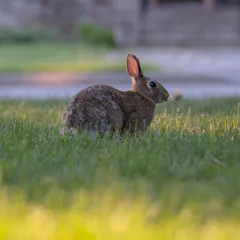
Here’s what determines if a problematic wild animal is saveable or cullable.
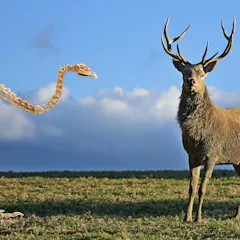
Claims that introduced deer perform the same ecological function as ancient moa are outdated and wrong. Deer destroy forests, and large-scale culling is still the best solution.
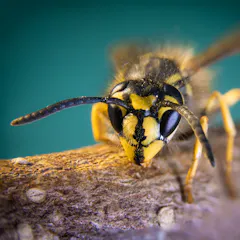
Why you shouldn’t get in a flap over reports that swarms of wasps are descending on Britain.
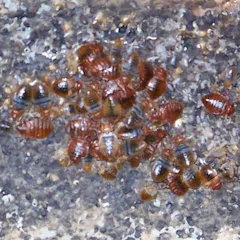
Bed bugs are pretty much universally reviled. But a public health entomologist explains how – while potentially traumatizing to deal with – they aren’t likely to make you sick.
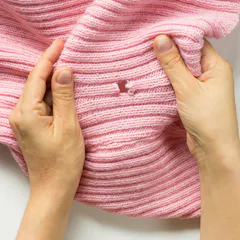
Once the larvae turn into adult moths, they never eat again.

Research into fox scents suggests a complex form of ‘chemical communication’ underlies the animal’s behaviour. The findings could help improve pest control methods and protect native wildlife.
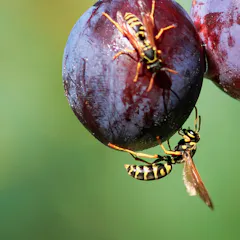
We value bees for the jobs they do for the environment and us – why is the same not true of wasps?
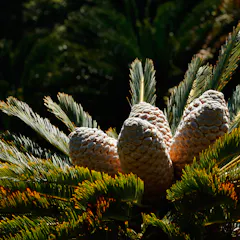
Most South African provinces are favourable for the establishment of a new invasive alien pest, which may lead to the extinction of native cycad species.
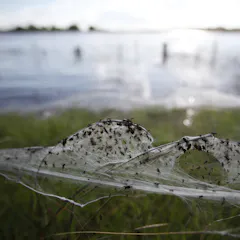
If you find your house overrun by bugs after the floods, go easy on them. Here’s what you can do instead of using pesticides.
Gene drive guarantees that a trait will be passed to the next generation. But should society use this tool to control insect populations?
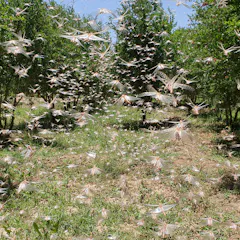
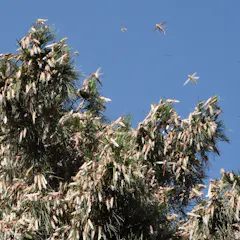
A swarm of roughly 40 million desert locusts can eat the same amount of food in one day as about 35,000 people.
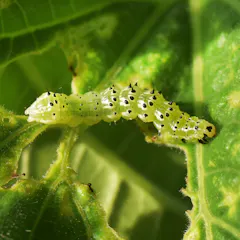
Gluttonous caterpillars are excellent crop pests — their kidneys perform several tasks that allow them to grow rapidly, while eating plants.
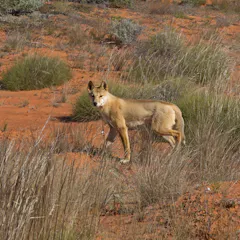
Aerial baiting has been Australia’s foremost weapon against pest species for the past 74 years. But at what cost?

Climate change, globalization and concerns about rat poison soon could drive rat infestations to levels not seen in centuries. One way to curb them is getting humans to stop wasting food.

A tree-killing beetle that invaded South Africa two years ago and wreaked havoc in the country’s towns and cities still hasn’t been declared an emergency plant pest.
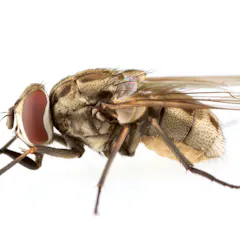
Savvy female stable flies prefer to lay their eggs on donkey and sheep dung. Knowing where they choose to do this will help us manage disease.
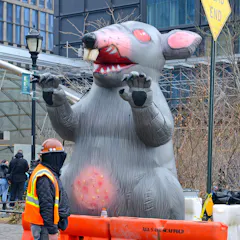
Cities often embark upon drastic and expensive eradication campaigns designed to rapidly rid the city of pests like rats. But are the surviving rats stronger or weaker than before?

Genetic analysis shows that urban rats prefer to stay near their relatives; however, some of them migrate. Knowing this could help with pest control efforts.
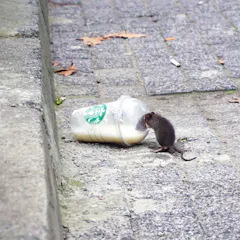
An ecosystems approach to cities that recognizes rats as part of the ecosystem can help address the challenges presented by urban rats.
Top contributors
-

Assistant Professor, Faculty of Health Sciences; Senior Scientist, Pacific Institute on Pathogens, Pandemics and Society, Simon Fraser University
-
Professor of Behavioural Ecology, UCL
-
Lecturer in Ecology, University of New England
-
Vice Chancellor's Research Fellow in Ecology and Entomology, Edith Cowan University
-
Clinical Associate Professor, School of Medical Science & Sydney Infectious Diseases Institute; Principal Hospital Scientist, University of Sydney
-
Clinical Associate Professor, School of Population and Public Health, University of British Columbia
-
Associate Professor in Entomology, University of Pretoria
-
Director of the Wildlife Crime Research Hub, Australian Research Council Industry Laureate Fellow, Adelaide University
-
Visiting Research Scholar, Fordham University
-
PhD Student in Invasion Genomics, University of Southampton
-
Science Director, Biosecurity Flagship, CSIRO
-
Adelaide University
-
Senior Lecturer, School of Science in Society, Te Herenga Waka — Victoria University of Wellington
-
Program Leader Effective Detection and Response, Plant Biosecurity Cooperative Research Centre
-
UQ Development Fellow, The University of Queensland