
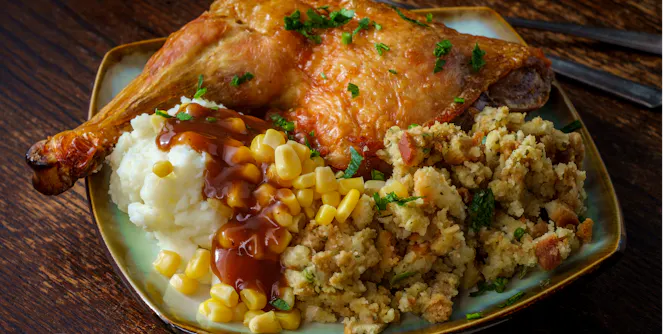
Self-proclaimed gluten sensitivity is on the rise, and so is the stereotype that it goes along with being a politically correct progressive. But is gluten actually a good proxy for social values?
Articles on Partisanship
Displaying 81 - 99 of 99 articles
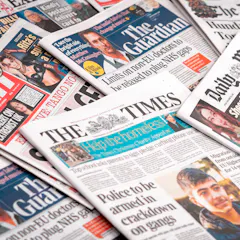
Analysis of the first week of the campaign shows that not all publicity is good publicity.
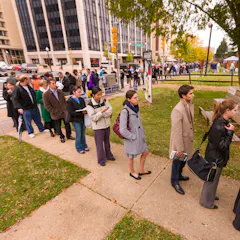
Voters are primarily partisans, and they respond to party signals – even when they claim otherwise.

In the United States, liberals and conservatives do not only differ politically. They also live separate lives in the physical world.
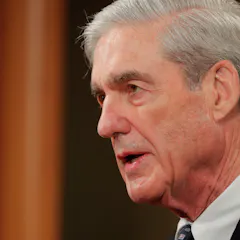
What’s the role of someone who, like
Robert Mueller, speaks only facts in a tornado of partisan bombast? Is it a breath of fresh air or an abdication of responsibility to protect America’s interests?
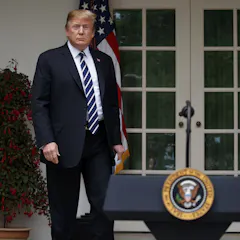
Politics have pervaded the debate about whether Congress should impeach President Trump. One legal scholar says that whether to impeach – or not – should not be viewed as a political question.
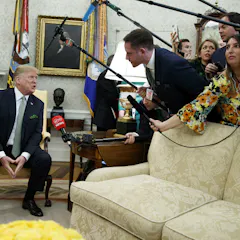
The president’s blame-the-press rhetoric is, to the news media, calculated to score political points. But are there real problems US journalists need to address in their work? Yes, says one scholar.
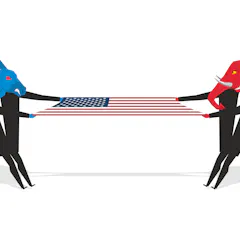
US history is filled with instances where one partisan side charges that the other side’s positions will lead to national ruin. Now, both sides accuse the other of betraying their country.
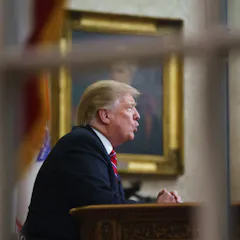
Trump and other leaders use the word ‘crisis’ to claim there’s an emergency that demands urgent action. A leadership expert explains how to evaluate those claims.
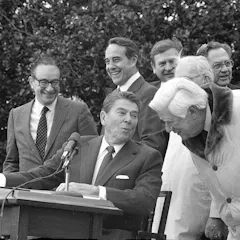
Most Congresses since the 1970s have passed more than 500 laws, ranging from nuclear disarmament to deficit reduction. Will today’s bitter partisanship hamstring the new Congress’ productivity?
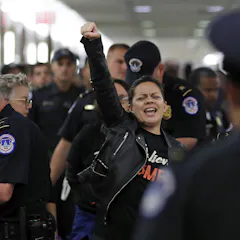
A polarized electorate is divided into tribal camps that demonize each other. That’s the setting for the upcoming midterm elections. If the US continues down this path, democracy will suffer.

If you disagree with the political slant of the network, it might color your views of others in the room – and change your behavior.
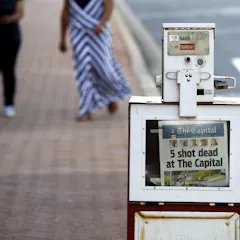
Violence against journalists is on the rise. Many people don’t realize that such acts have a long tradition in the US, where partisan rancor was once a hallmark of American journalism.

Nearly half of Americans say they see a great deal of bias in the news media. But the research on this subject is unresolved.
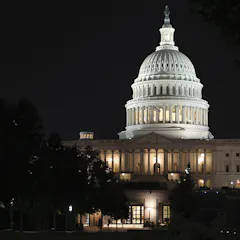
Compromise is necessary for government to function. But citizens see compromise differently. Democrats like it more than Republicans, who fear of their representatives being compromised.
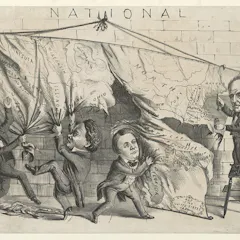
Lincoln’s description of the Union as a house divided is well-remembered today. But many Americans fail to heed its lessons about equality and the moral foundations of popular government.

Democratic Senator Jon Tester of Montana has a moderate image in a state that doesn’t often elect Democrats. But as he faces reelection, his move to torpedo Trump’s VA nominee may threaten that image.
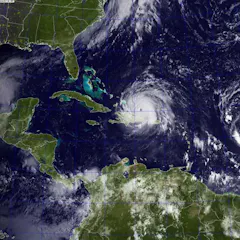
New research suggests politics and risk perception may explain why the US and Caribbean see climate change so differently, though both places are ever more vulnerable to powerful hurricanes.
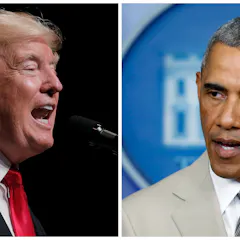
Eloquent Obama and bombastic Trump certainly have different speaking styles. But a big data analysis of their speeches also shows a surprising commonality.
Top contributors
-

Associate Professor of Political Science, Boise State University
-
W. Alton Jones Professor of Philosophy, Vanderbilt University
-
Assistant Professor of Public Policy and Politics, University of Virginia
-
Assistant Professor of Political Science, Indiana University
-
Professor and Co-Director of the Center for an Independent and Sustainable Democracy, Arizona State University
-
Associate Professor of Political Science, University of Maryland, Baltimore County
-
Associate Professor of Political Science, Park University
-
Lecturer, Political Science and International Studies, University of Birmingham
-
Assistant Professor of Journalism and Media Innovation, Northeastern University
-
Doctoral Student, Political Science, Vanderbilt University
-
Professor of Communication and Journalism, University of Maine
-
Assistant Professor, Department of Communication, University of Minnesota Duluth
-
Cornelius Vanderbilt Professor of Political Science and Director of LAPOP, Vanderbilt University
-
Distinguished McKnight University Professor and Professor of Political Science, University of Minnesota
-
Professor, Dean of the School of Arts & Sciences, Tufts University