
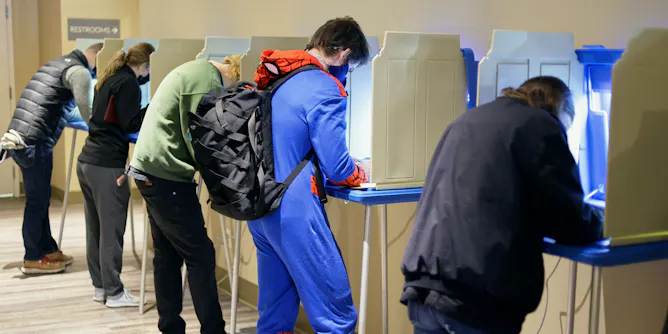
Respondents thought the good guys would share their political views while the baddies would vote for the opposite party.
Articles on Partisanship
Displaying 21 - 40 of 99 articles

A new video intervention shows correcting Americans’ exaggerated views of political opponents can defuse tensions, reduce support for antidemocratic practices and promote a healthier democracy.
Responsible political judgment requires reflection − and reflection takes time.
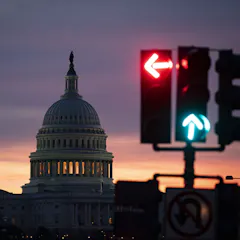
Gridlock can still happen under unified government, and for reasons that are likely to be on full display in the 119th Congress, where the GOP controls both houses under a Republican president.
The end of the election season could bring a sigh of relief to businesses.
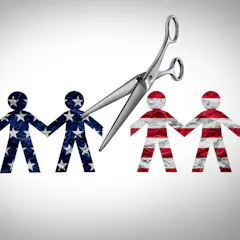
Many leaders of these groups are reluctant to take policy positions that may appear political to members of their local communities or donors.
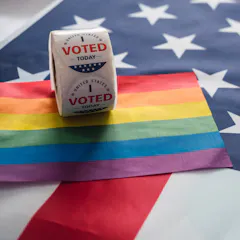
LGBTQ+ voters make up a relatively small percentage of the American electorate. But they’re poised to play an outsize role in the
‘tipping-point’ states most likely to decide the election.
In a series of surveys, researchers studied when and why voters put up with inaccurate statements from their leaders.
US news outlets perceived as politically centrist could inch rightward or leftward to attract a larger, more partisan readership − but only at the cost of journalistic credibility.
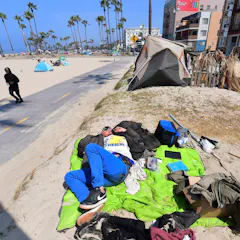
4 in 10 voters would back a candidate from the opposing party for local office if that politician shared their views on homelessness and housing, according to survey data from California.

Many municipal politicians identify strongly with a political party, but some don’t. In fact, more than a quarter of municipal politicians are genuine non-partisans, with no party affiliation.
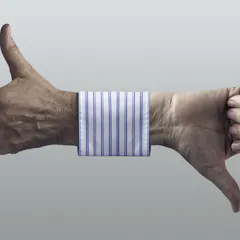
The more ambivalent a person is about a political issue, the more likely they are to support violence and other extreme actions relating to that issue.
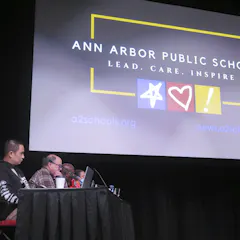
A tradition of nonpartisanship on locally elected school boards is changing, following a national shift toward divisive political partisanship.
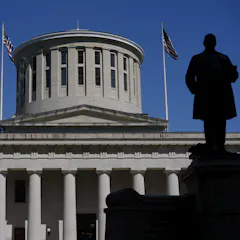
Ohio remains stuck with a deadline that won’t allow Joe Biden, running for reelection, to appear on the November ballot. The GOP-run Legislature does not appear to want to fix the problem.
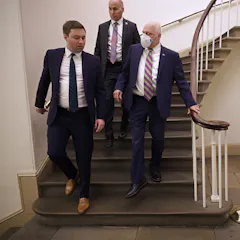
With its impeachment of Homeland Security Secretary Alejandro Mayorkas, the House exercised its oversight power. How can you tell if it was a legitimate use of that power?

Polarization invades parts of Americans’ lives that really aren’t political, dividing society more deeply. That includes decisions about whether or not they like meatloaf or chili.
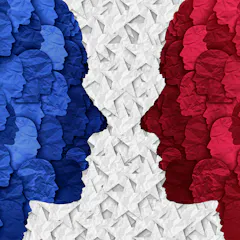
With growing polarization, political attitudes have begun to coincide with moral convictions. Partisans increasingly view each other as immoral. New research reveals the depth of that conviction.
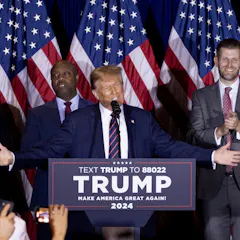
Trump stormed to victory in New Hampshire’s Republican primary – but his biggest challenge will be winning over independent voters.

A new study unexpectedly found a way to help people assess social media posts with less bias and more care – pairing them up with partners who have a different perspective.

The faith’s association with conservative politics has stayed strong for decades, but could become a liability, a political scientist argues.
Top contributors
-

Associate Professor of Political Science, Boise State University
-
W. Alton Jones Professor of Philosophy, Vanderbilt University
-
Assistant Professor of Public Policy and Politics, University of Virginia
-
Assistant Professor of Political Science, Indiana University
-
Professor and Co-Director of the Center for an Independent and Sustainable Democracy, Arizona State University
-
Associate Professor of Political Science, University of Maryland, Baltimore County
-
Associate Professor of Political Science, Park University
-
Lecturer, Political Science and International Studies, University of Birmingham
-
Assistant Professor of Journalism and Media Innovation, Northeastern University
-
Doctoral Student, Political Science, Vanderbilt University
-
Professor of Communication and Journalism, University of Maine
-
Assistant Professor, Department of Communication, University of Minnesota Duluth
-
Cornelius Vanderbilt Professor of Political Science and Director of LAPOP, Vanderbilt University
-
Distinguished McKnight University Professor and Professor of Political Science, University of Minnesota
-
Professor, Dean of the School of Arts & Sciences, Tufts University