
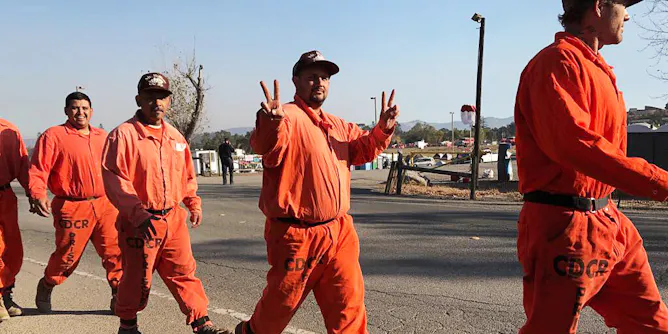
A study of 100,000 convicted felons shows why rethinking parole may be the key to reversing mass incarceration.
Articles on Parole
Displaying 21 - 34 of 34 articles

Proposed new laws will restrict parole and bail to those merely associated in some way with terrorism, even when they have not be arrested for – or convicted of – a specific terrorism offence.
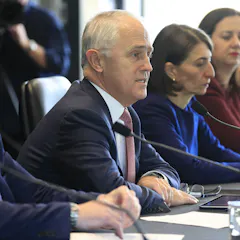
States and territories have agreed to strengthen their laws to ensure a presumption against granting bail or parole when people had ‘demonstrated support for, or have links to, terrorist activity’.
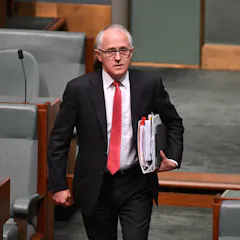
Radical Islamists will never overthrow Western democracies. What we’re talking about is the effect the terrorist threat has on our wellbeing as a multicultural society, and on our politics.
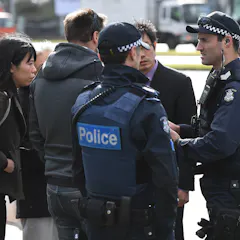
As difficult as it is to concede, lone-actor, grievance-fuelled violence cannot be solved simply by tightening justice processes.

When former prisoners – and audience members – come together in a play examining our justice system, the result is unruly, uncomfortable and worthwhile.

Australia has become less compassionate, more punitive and more ready to blame individuals for their alleged failings since the Royal Commission into Aboriginal Deaths in Custody.

As a country that claims to uphold the human rights of all – including those before the law – Australia should take notice of international practice when it comes to life imprisonment.
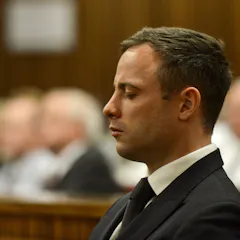
Oscar Pistorius was convicted of culpable homicide for what was deemed a tragic accident. In light of that verdict, he has not been subject to any special treatment in terms of his sentence.

The days of prison, an 18th-century industrial institution, as the justice system’s dominant form of punishment may be numbered. Electronic monitoring of offenders is one promising alternative.
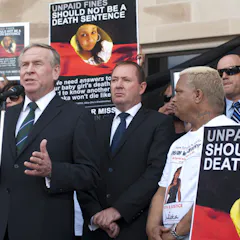
Indigenous people are jailed at a rate 18 times that of non-Aboriginal Western Australian adults, but the overall rate is high too. The great costs of this punitive approach yield few clear benefits.
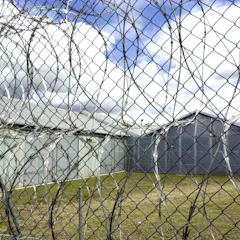
Queensland’s rates of imprisonment had been falling, but have undergone a sharp reversal - much of it driven by the nation’s highest rates of return by prisoners released into the community.
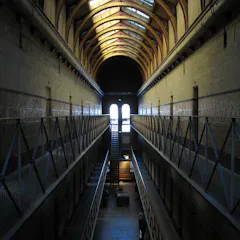
Victoria was once characterised by low imprisonment rates and innovative corrections policy. The state now has Australia’s highest rate of growth in imprisonment.

When a prisoner has served their time, it’s difficult to understand why they would be stopped from engaging in public debate or communicating with the media. But a new precedent has been set by the High…
Top contributors
-

Professor of Criminology, Australian National University
-
Arie Freiberg is a Friend of The Conversation.
Emeritus Professor of Law, Monash University
-
Associate Professor in Criminology, The University of Queensland
-
Lecturer, RMIT University
-
Professorial Fellow, University of Canberra
-
Emeritus Professor in Law and Criminal Justice, Adelaide University
-
Senior Lecturer - Criminology and Justice Studies, RMIT University
-
Lecturer, Criminology & Justice, RMIT University
-
Associate Dean, Criminology and Justice Studies, RMIT University
-
ARC Future Fellow and Professor of Criminology, The University of Melbourne
-
Victoria University
-
Assistant Professor in Public Law and Human Rights, Durham University
-
Senior Lecturer in Criminology, Monash University
-
Senior Lecturer, Faculty of Law, Queensland University of Technology
-
Senior Lecturer in Criminology, Deakin University