
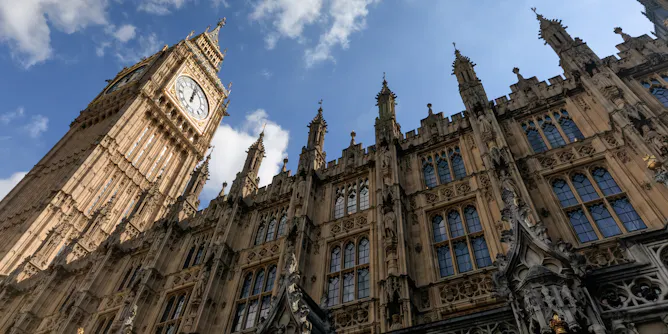
Changing Parliamentary culture means party leaders can no longer rely on backbench support.
Articles on Parliament
Displaying 61 - 80 of 179 articles
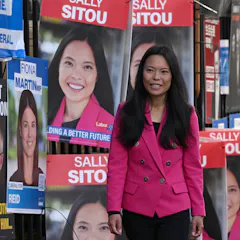
It may feel like a subplot for now, but this could end up being just be as significant as the teal revolution.

MPs were more likely than the general population to drink at least ten units of alcohol on a typical drinking day.
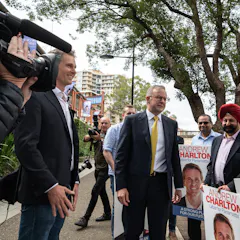
There are many factors at play including outdated preselection processes at local levels and a lack of targeted efforts by major parties beyond tokenism.
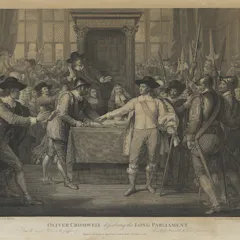
First uttered by Oliver Cromwell, the words David Davis used to ask Boris Johnson to step down have a storied past.

NDAs are increasingly used against employees who make complaints about discrimination and harassment. This practice needs to end.
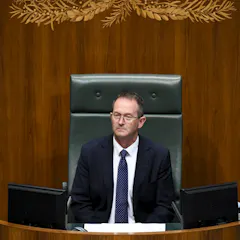
Andrew Wallace has been appointed to the increasingly important role of speaker of the House of Representatives.

The ‘safeguard’ reviews have been largely ineffective in scrutinising the powers.

New research offers a new electoral system that can deliver proportionality and even enhance local representation.
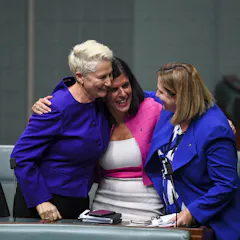
Parties strive for gender equality in preselecting candidates. But if they select more women than men in marginal seats, this isn’t true equality — it’s ticking a box.
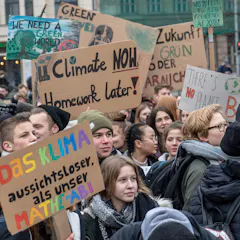
When contacting your political representative about climate change, messages that show you’ve made effort and those that have a personal touch can be more persuasive.
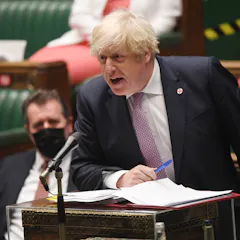
Appointing ministers who aren’t MPs or lords would weaken parliament’s ability to hold the government to account.

The disturbance in Ghana’s parliament during the election of a speaker has raised questions about its current democratic system.
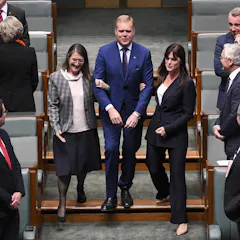
Speaker Tony Smith – who has been battling to force better behaviour in the House of Representatives on MPs including Scott Morrison – has announced he will not contest the next election.

A new standing committee will ensure that Canadian federal policy is based on science. The committee should consider critical ethical thinking, scholarship and action, as well as legal frameworks and sociocultural values.
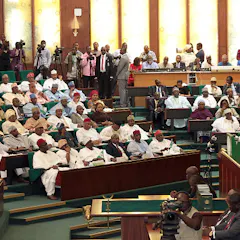
Quota systems provide opportunities for more women to stand for election. But they’re not enough.
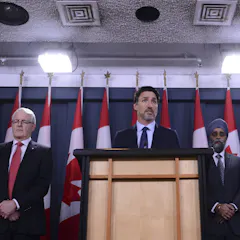
If we are to transform the culture of Canadian political institutions, we must take immediate, deliberate and intentional action by engaging more women, BIPOC and marginalized people.

There are many legitimate reasons why survivors of sexual violence may not immediately report to police. But a delay in reporting, in itself, should not affect the credibility of the allegations.
The male privilege in Australia’s parliament has given its members such a sense of exceptionalism, they think the standards of the corporate office should not apply to their workplace.

New research sheds light on why sexual misconduct and bullying is so common in political offices and why political staffers have few options to hold those in power to account.
Top contributors
-

Professorial Fellow, University of Canberra
-
Professor Emerita in Constitutional Law, University of Sydney
-
Professor of Sociology, University of the Witwatersrand
-
Partner, Government & Public Sector, Providence / Honorary Fellow, Australian National University
-
Associate Professor in Politics and International Relations, School of Social Sciences, Monash University
-
Honorary Research Fellow in Politics, University of Stirling
-
Lecturer in Constitutional and Administrative Law, and Public Procurement, Bangor University
-
Professor of Politics, Te Kunenga ki Pūrehuroa – Massey University
-
Professor of Comparative Politics, University of Warwick
-
Enseignant et chercheur en sociologie politique, Université de Lomé
-
ANU Law, Australian National University
-
Hurst Senior Professorial Lecturer, Co-Director Transatlantic Policy Center, American University School of International Service
-
Lecturer, Department of Political Science and Public Administration, Kyambogo University
-
Senior Lecturer in Politics, University of Manchester
-
Senior Research Associate, University of Johannesburg