
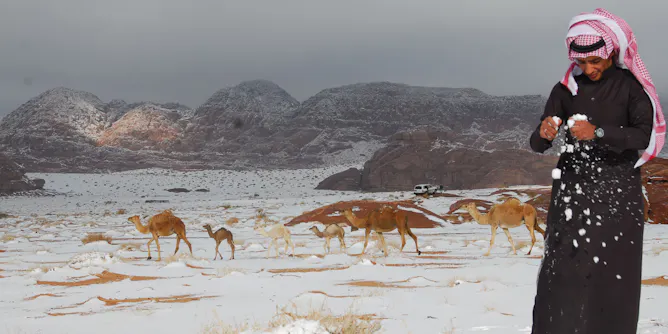
The scientific case rests on six key observations.
Articles on Paris 2015 backgrounders
Displaying all articles
The Paris climate deal comes ‘pre-packaged’ by the promises nations have already made. But the issue of global climate finance could still scupper the talks.

The greenhouse gases that cause climate change will take centre stage at the upcoming Paris climate talks. What are they and what are their effects?
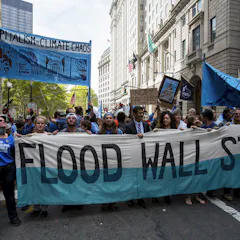
1988 marked the first call for climate action from the scientific community. Nearly 30 years later it’s been a bumpy ride.
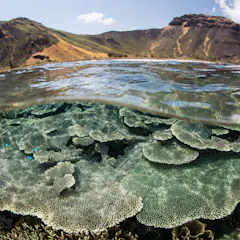
It should not be assumed that policies intended to deal with the climate will simultaneously stop ocean acidification.
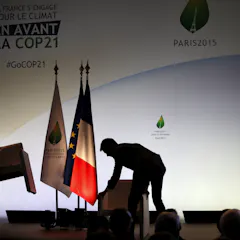
Probably not, but that might be for the best if it encourages countries to be more ambitious in their commitments, rather than playing it safe to avoid falling foul of legal obligations.
The 2015 “Conference of Parties” in Paris will bring together 195 nations rich and poor as well as the EU to try and hammer out a definitive climate agreement. So how does it all work?
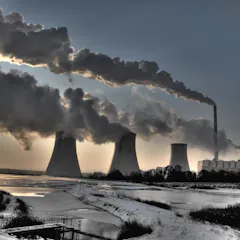
58 countries have submitted their climate targets ahead of international talks in Paris. We know the numbers, but not all efforts to combat climate change are equal.
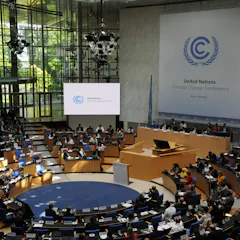
It’s pledge season: countries are beginning to submit carbon reduction commitments for the Paris climate talks later this year. What’s the US doing and can it meet its targets?
2C is the officially agreed safe limit for global warming, but a recent expert finds 2C is still in the danger zone.
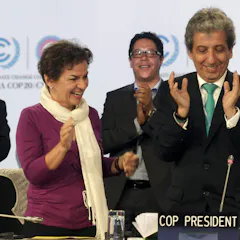
The much-hyped 2009 Copenhagen climate summit yielded only a flimsy accord. But, as Nick Rowley writes in part 2 of his three-part essay on the 2015 Paris climate talks, there are several reasons why this year won’t see another flop.
Ahead of meetings at the end of this year in Paris, countries will submit draft contributions for a global climate deal. The goal: reducing greenhouse gases beyond 2020, and ultimately keeping global warming below 2C.
Top contributors
-

Senior Research Fellow and Associate Professor, Melbourne Climate Futures initiative, The University of Melbourne
-
Professor of Earth System Science, UCL
-
Maître de conférences, Université de Lille
-
Lecturer and Research Fellow in Ocean Governance, University of Melbourne and Postdoctoral Researcher, UEF Law School, University of Eastern Finland, The University of Melbourne
-
Senior Research Fellow, School of Geography, Earth and Atmospheric Sciences, The University of Melbourne
-
Professeur de droit public, Université de Lorraine
-
Academic position - Research Associate at the Centre for Resources, Energy and Environmental Law, The University of Melbourne
-
Honorary Associate Professor, The Crawford School of Public Policy, Australian National University
-
A/Prof., School of Earth Sciences, The University of Melbourne
-
Honorary Fellow, The University of Melbourne
-
Chief Research Scientist, CSIRO Environment; Executive Director, Global Carbon Project, CSIRO
-
Associate Professor in the Frederick S Pardee School of Global Studies, Boston University
-
Former Visiting Fellow, SPRU, University of Sussex Business School, University of Sussex