

Interactive and engaging uses of technology can foster language development.
Articles on Parenting
Displaying 101 - 120 of 1162 articles
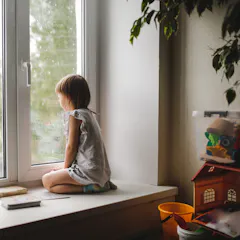
Research on a group of Australian preschoolers found more than 40% met the criteria for an anxiety disorder.

Parenting a tween or teen can be very different from parenting a younger child. Here’s how to adapt and stay connected as they gain independence.

Just because something is prohibited doesn’t take away the need for parents to have conversations with their children about it.

Children don’t need a flawless example of parents who never drink alcohol. But over time, they notice your choices about when, why and how much you drink.
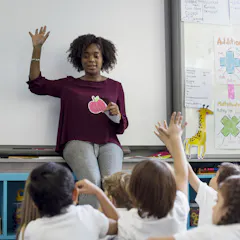
At some schools, a significant number of parents never even open student reports.
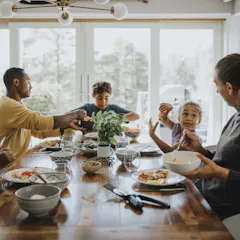
It can be tempting to feed young children early, then sit down to a separate meal once they’re in bed. But having family dinners pays off in the long term.
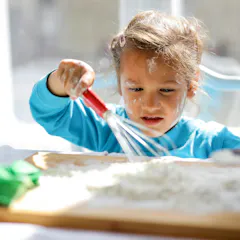
Parents do not need to be experts to help build their child’s science skills at home.

Effective support revolves around addressing the origins of this behaviour
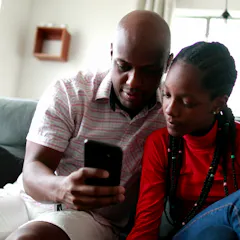
Encourage verifying anything important – news, health claims, law, school facts, statements that may be repeated as “true”.

Bridgerton’s talk of ‘the pinnacle’ may have launched countless memes about orgasms. But there’s a lesson for all parents.

We know swimming ability is declining in Australia. One in four schools no longer holds a swimming carnival at all.
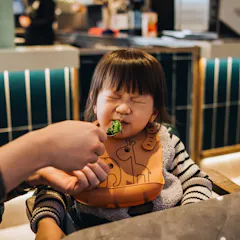
While genes do influence some food preferences, positive experiences can help make new tastes easier to swallow.
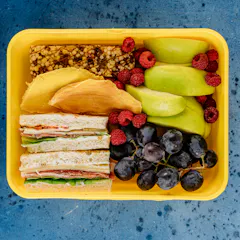
Some sandwich-alternatives will take some prior preparation, others can be as simple as a sandwich.

Even young children can make choices.

Younger siblings also spend less time per day on ‘enrichment activities’, such as music practise or reading.
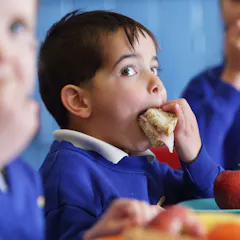
A new study looks at what parents want in school lunch programs. And how much they would be willing to pay to support them.
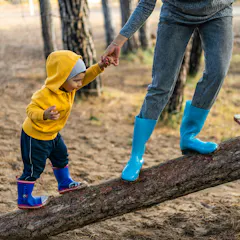
Our reaction can teach a child how to read their body signals and whether feelings are safe to feel.

Parental support can unintentionally produce a strong sense of misguided obligation and guilt, sidelining the desires and preferences of young adults.
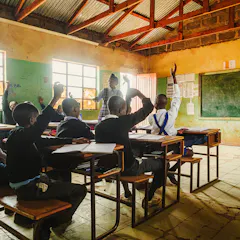
Ideas about corporal punishment become part of a culture that is passed from one generation to the next.
Top contributors
-

Professor, Canada Research Chair in Determinants of Child Development, Owerko Centre at the Alberta Children’s Hospital Research Institute, University of Calgary
-
Associate Professor in Psychology, Deakin University
-
Professor of Educational Psychology, University of Wollongong
-
Researcher, Digital Wellbeing, Western Sydney University
-
Professor of Child Public Health, Swansea University
-
Senior Lecturer in Psychology, University of the Sunshine Coast
-
Clinical Trials Director, Department of Endocrinology, RPA Hospital, University of Sydney
-
Assistant Professor in Psychology, Bond University
-
Senior Lecturer in Education, Edith Cowan University
-
Professor of Midwifery, Associate Dean Research and HDR, Midwifery Discipline Leader, Western Sydney University
-
Adjunct Professor, School of Nursing and Midwifery, Western Sydney University
-
Senior Lecturer in Psychiatry, The University of Melbourne
-
Senior Lecturer in Education, Queensland University of Technology
-
Associate Professor, School of Psychology, Scientist, Children's Hospital of Eastern Ontario Research Institute, L’Université d’Ottawa/University of Ottawa
-
Research Fellow with the Grow&Go Toolbox, The University of Queensland