
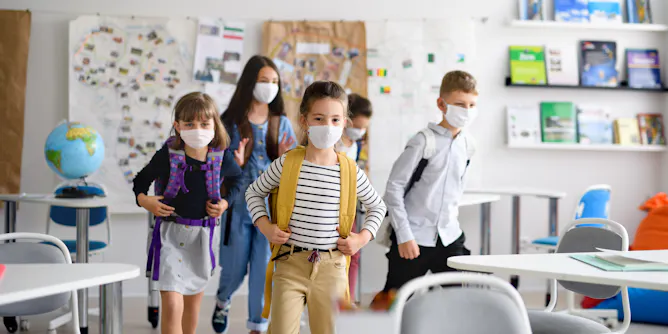
Many children will thrive on return to school. Others may need a bit more support to adjust to this big change in their lives and manage any anxieties they might have.
Articles on Pandemic parenting
Displaying 1 - 20 of 31 articles
Child care insecurity has received much less attention than food insecurity, but it is similarly complex. And affordability is only one part of the problem.

When students feel their classrooms are supportive and fair, they behave better, a survey in Brazil found.
Job loss and reduced earnings can exacerbate existing power imbalances trans people may face in their personal relationships.
Since the pandemic began, parents have had to negotiate their own workplace demands and other responsibilities with around-the-clock child care responsibilities.
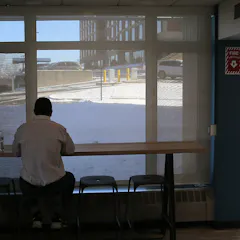
Even when the economy is strong, these young adults face economic hardship.
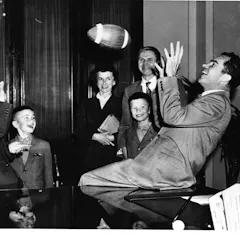
Monthly payments to families with children could lift millions of US children out of poverty.
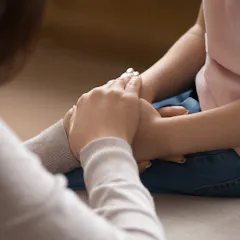
Stay-at-home orders, school closures and other pandemic measures mean that parents and children are spending inordinate amounts of time together. Here’s how to deal with the inevitable frustrations.

Young children may find it harder to control their attention if they use touchscreens regularly.
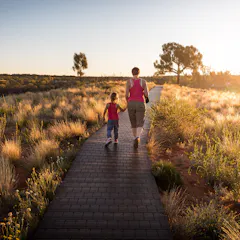
Parents can take a page from psychological research on trauma and recovery to help kids struggling with pandemic life.
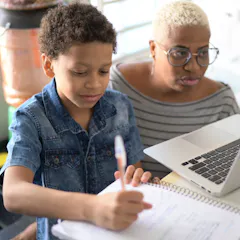
Schools can impact the mental health and well-being of not just students but their parents, too.
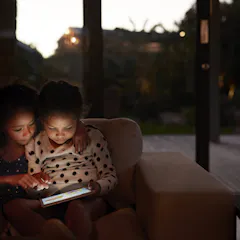
If families embrace reading as fun and routine and teachers work more closely than before with the families of their students, it’s possible that remote learning won’t be a huge obstacle to literacy.
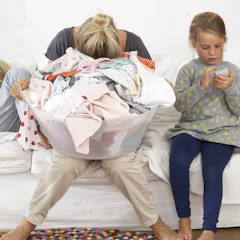
Kids become more vulnerable to maltreatment when their parents can’t secure child care or housing or get jobs.
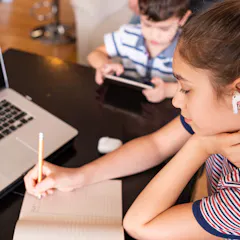
The disruption to K-12 education caused by the coronavirus pandemic may have major academic consequences, especially for low-income children.

Results from a recent study indicate that the emergency measures put in place in response to COVID-19 have disproportionately impacted Canadian mothers with young children at home.
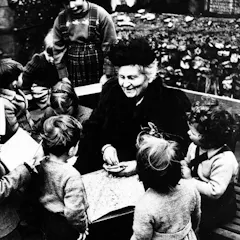
The innovative educator studied engineering and practiced medicine before devoting her life to spreading a new educational philosophy.
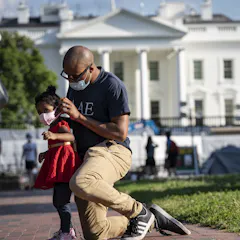
A professor reflects on his four decades of working with families dealing with grief and how the program he helped set up could be applied today.

The history of education in the West is closely associated with Christian religious spaces – from the first cathedral schools to the use of churches to teach children in WWII.

Good mental health is the ability to adapt to changes and stress. Whatever school looks like, parents can help keep kids’ social-emotional development on track in these four areas.
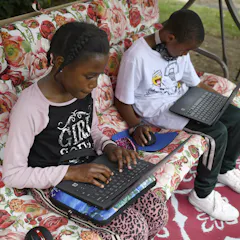
One big complication with K-12 distance learning is how hard it is to get children and teens to log in and do their schoolwork. But there are things teachers and families can do to help.
Top contributors
-

Assistant Professor of Child and Family Development, Wayne State University
-
Associate Professor of Educational Psychology, Wayne State University
-
Professor of Psychology, University of Nebraska Omaha
-
Former Associate Professor, University of Dayton
-
Assistant Professor, Department of Organization, Workforce, & Leadership Studies, Texas State University
-
Professor and Chair, Psychiatry and the Behavioral Sciences, University of Southern California
-
Associate Professor of Psychology, University of San Francisco
-
Associate Professor of Psychology, University of Denver
-
Emeritus Professor of English, Assumption College
-
Assistant Professor of Nutrition, Texas State University
-
Associate Professor of Psychiatry and Behavioral Neurosciences, Merrill Palmer Skillman Institute, Wayne State University
-
Assistant Professor of Education, University of Maryland, Baltimore County
-
Distinguished Professor of Sociology and Public Policy, UMass Amherst
-
Professor of Educational Psychology, Universidade Federal do Paraná (UFPR)
-
Professor of Psychology, Bridgewater State University