
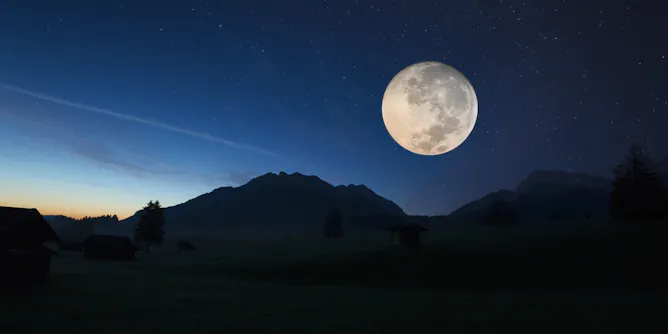
US and international law conflicts about who would be in charge if a private company established a Moon base or colonized Mars.
Articles on Outer Space Treaty
Displaying 21 - 40 of 40 articles

Governments and corporations must get serious about the legal, technical, economic, social and ethical implications of a potential space-based resource economy.
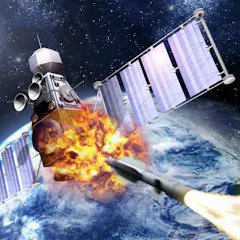
Following announcements by France and the US, NATO is expected to start using space weapons.
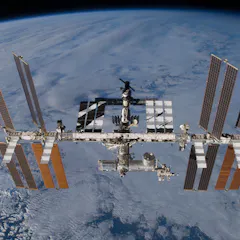
NASA is reportedly investigating the first alleged crime in space. But criminal jurisdiction aboard the International Space Station is much more straightforward than it would be for space tourists.
CC BY-ND49.4 MB (download)
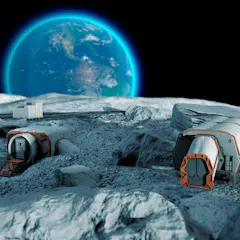
In the fourth episode of our podcast series, we look at the practical, legal and ethical questions about going to set up base on the moon – and mining its resources.
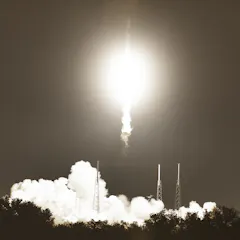
This are looking up when it comes to launching things into space from Australia. The rules on what can be launched are currently under review and open for comment.
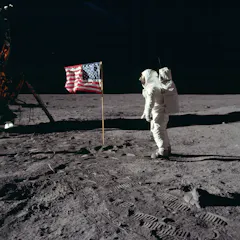
A new study suggests that we should limit ourselves to developing just one eight of the solar system.
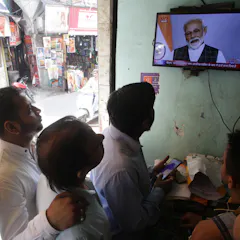
On 27 March, India announced it had successfully conducted an anti-satellite missile test, Mission Shakti. India is now the fourth country in the world displaying this capability.
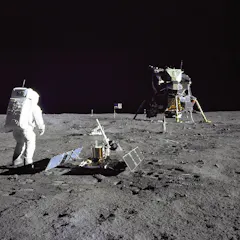
Throughout the world, unique sites of natural and cultural heritage are protected for future generations. But what about sites on the moon that represent the beginning of the human space age?
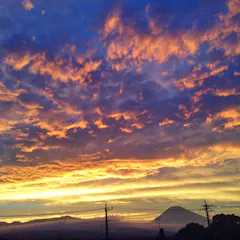
In the context of accelerating geopolitical, technological and environmental change, we need to radically reassess how we perceive airspace legally.
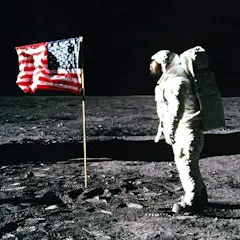
No country can lay claim to sovereignty over a planet, moon or rocky body. But in the absence of clear laws regulating mining in space, it’s a case of first in, best dressed for resource extraction.

If Ghana is to fully harness the benefits of space technology, it will need space legislation and regulations.
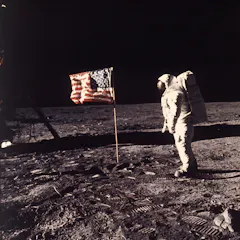
Fifty years ago, on July 20, 1969, American astronauts planted a US flag on the moon. A space lawyer explains the implications, who owns the moon, and what it means for lunar mining.
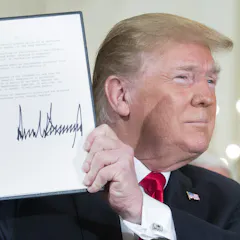
The Outer Space Treaty has guided global exploration and use of outer space since 1967. Trump’s ‘Space Force’ may not be a good fit.
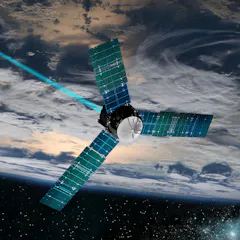
Australia is playing a major role in developing legal guidelines that would govern how any war in space is played out. The authors of MILAMOS hope the manual is never actually required.
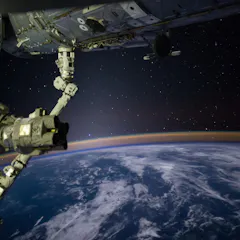
Who is responsible for space debris? What laws should apply to humans living on another planet? Who has rights to mine asteroids? The Outer Space Treaty needs an update to address such questions.

The Outer Space Treaty, now 50 years old, has so far never been violated. But things could be about to change.
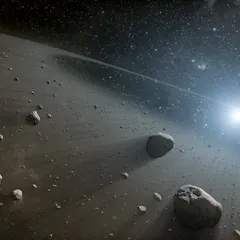
Space mining could generate a massive resources boom. Here’s a way to make sure the benefits of that boom reach everyone on the planet.
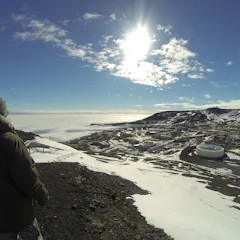
If we’re going to mine asteroids, then we need an international treaty to prevent it becoming a wild west. Thankfully we can look to Antarctica to see how such a treaty might work.
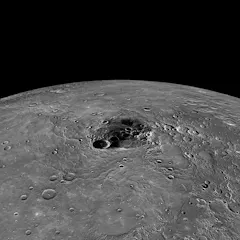
Mining in space is no longer science fiction. But could it end wars over resources, as Neil deGrasse Tyson has suggested?
Top contributors
-

Professor of Air and Space Law, University of Mississippi
-
Senior Lecturer in Law, University of Waikato
-
Emeritus Professor of International Law, Western Sydney University
-
Professor, Adelaide University
-
Lecturer in space and military law and strategy, UNSW
-
Professor of Space Law, University of Nebraska-Lincoln
-
Researcher, Air and Space Law, McGill University; Bond University
-
Postdoctoral research associate, University of Oxford
-
Space Plasma Physicist, Imperial College London
-
Assistant Professor and Deputy Director of the International Institute of Air and Space Law, Leiden University
-
Andrew Dempster is a Friend of The Conversation.
Director, Australian Centre for Space Engineering Research; Professor, School of Electrical Engineering and Telecommunications, UNSW
-
Podcast host, The Conversation
-
Royal Society University Research Fellow / Reader, School of Earth and Environmental Sciences, University of Manchester
-
Professor of Law, University of Kent
-
Reader in Fine Art, University of Kent
