
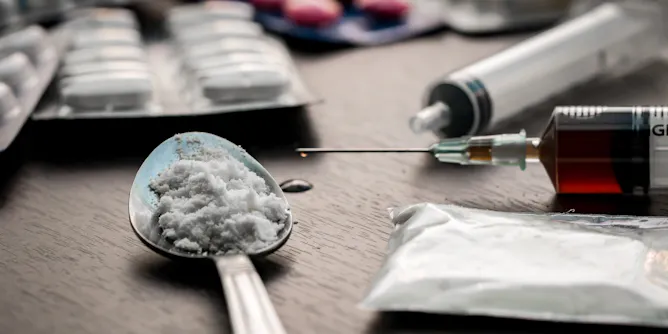
Heroin was used medically in Australia for coughs and pain relief until 1953.
Articles on Opioids
Displaying 201 - 220 of 222 articles
The FDA just approved a new implant of a drug that treats opioid addiction. Why hasn’t the drug been prescribed more widely already?
What exactly is addiction? What role, if any, does choice play? And if addiction involves choice, how can we call it a “brain disease,” with its implications of involuntariness?
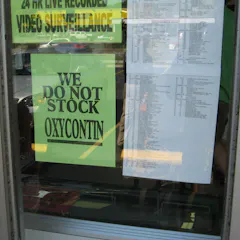
The sources of the opioid epidemic are complex, but one powerful motivator has been the pursuit of profit.

We don’t know enough about the people who use painkillers non-medically to make the judgement that there is a natural transition from legal to illicit drug use.
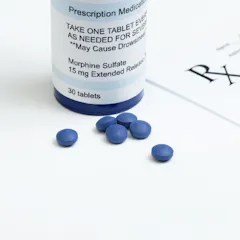
Why are so many people in dire need of pain relief unable to access the powerful painkillers that are so commonly prescribed in the United States?
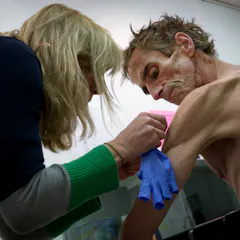
Hoping to avoid the pitfalls and tropes of drug genre photography, documentary photographer Aaron Goodman spent a year following three addicts enrolled in a heroin-assisted treatment program.

We are witnessing widespread abuse of legal, prescribed drugs that, while structurally similar to illicit opioids such as heroin, are used for sound medical practices. So how did we get here?

A sea change in pain treatment helped create the opioid abuse epidemic, and another sea change in how doctors view chronic pain could help curb it.
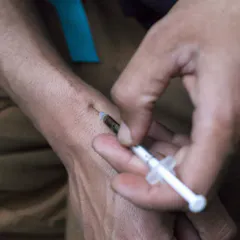
Why have the demographics of heroin use changed so much? For that, we can look to dramatic increase in prescriptions for opioid painkillers, such as Oxycontin or Vicodin.
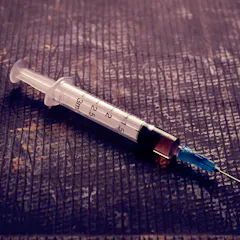
Naloxone, commonly known as Narcan, is a medicine that temporarily reverses the effects of opioid drugs such as heroin, morphine and oxycodone.

Stigma toward heroin use might prevent a lot of people from using the drug, but these attitudes don’t help people who are dependent.

The myth has been debunked time and time again.
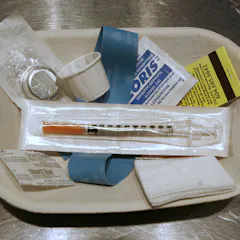
Not only can they improve public health and decrease treatment costs, but they can also address one of the root causes of addiction: loneliness.
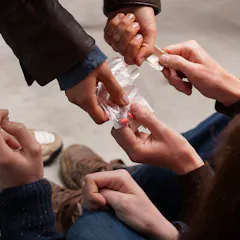
When you think about substance use and teens, drugs like marijuana or Ecstasy might come to mind. But recreational prescription drug use is a significant problem. Nationally, 17.8% of high school students…

Cocaine is a popular recreational drug that makes users energetic, confident and talkative. It’s also highly addictive and dependence-producing. Australians rank fourth in the world in cocaine abuse rates…

In the 1930s, Harry J. Anslinger, the first head of the Federal Bureau of Narcotics, embarked on a fierce anti-marijuana campaign. Highlighted by the 1936 anti-marijuana film Reefer Madness – where marijuana…

Americans consume a staggering amount of the opioid painkiller hydrocodone - about 99% of the world’s supply. In October, after 10 years of debate the Drug Enforcement Agency (DEA) reclassified medications…
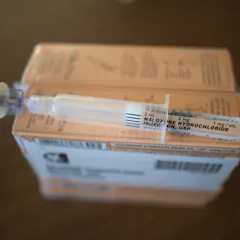
Many first responders’ – even some university police officers – are carrying a new tool in their first-aid kits. It’s naloxone, the opioid overdose antidote drug, and today it’s more widely available than…
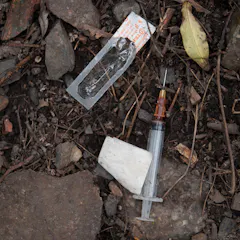
In 2012, 103,000 people around the world lost their lives to drug poisoning or overdose. As terrible as this waste of life seems, it’s important to remember that drug overdoses are not inevitably fatal…
Top contributors
-

Professor and Deputy Director, Monash Addiction Research Centre, Monash University
-
Professor, Institute for Musculoskeletal Health, University of Sydney
-
Professor of Neuropharmacology, University of Lancashire
-
Associate professor, Department of Family and Community Medicine, University of Toronto; York University, Canada; University of Sydney
-
Professor, Sydney School of Public Health, University of Sydney
-
Medical Director of Opioid Policy Research, Brandeis University
-
Professor of Geography, Penn State
-
Associate Professor of Sociology, Bentley University
-
Associate Professor of Emergency Medicine, Thomas Jefferson University
-
Adjunct Professor at the National Drug Research Institute (Melbourne based), Curtin University
-
Honorary Fellow, Department of Health Sciences, University of York
-
Associate Professor, School of Public Health, University of Sydney
-
Professor of Law, Indiana University
-
Senior Lecturer in Criminology, UNSW
-
Professor, National Drug Research Institute, Curtin University and Burnet Institute, Burnet Institute