
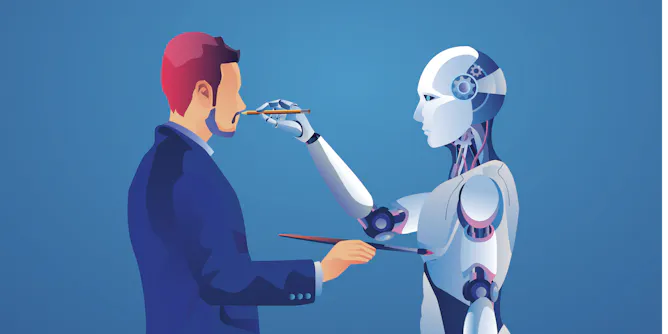
Generative AI can seem like magic, which makes it both enticing and frightening. Scholars are helping society come to grips with the potential benefits and harms.
Articles on OpenAI
Displaying 141 - 157 of 157 articles
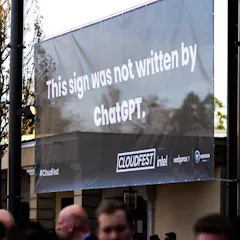
AI technology holds promise for education, but it will also likely exacerbate the digital divide and increase the online dominance of English.

Pausing AI development will give our governments and culture time to catch up with and steer the rush of new technology.
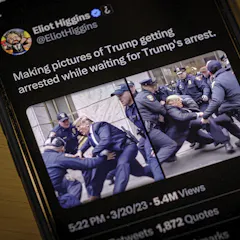
In a world of increasingly convincing AI-generated text, photos and videos, it’s more important than ever to be able to distinguish authentic media from fakes and imitations. The challenge is how.

When OpenAI claims to be “developing technologies that empower everyone,” who is included in the term “everyone?” And in what context will this “power” be wielded?
The latest release in the GPT series shows marked improvement over predecessors.
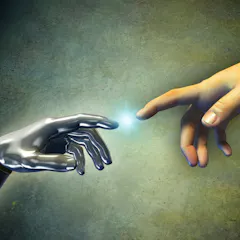
Our tendency to view machines as people and become attached to them points to real risks of psychological entanglement with AI technology.
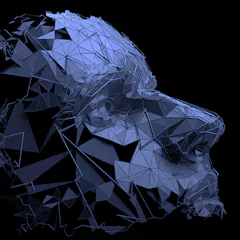
Experts largely agree that AI with human-level capabilities is not that far off. How will this change out relationship with machines?

There won’t be an easy tech fix for the questions about authorship raised by ChatGPT and other text generators.

ChatGPT is a sophisticated AI program that generates text from vast databases. But it doesn’t understand the information it produces, which also can’t be verified through scientific means.

While ChatGPT has the potential to enhance marketing effectiveness, it can’t replace human creativity or form meaningful connections with customers like humans can.
Text-to-image generators like DALL-E and Stable Diffusion portend a future where anyone with a computer can fake a photograph of just about anything.

A new AI tool that writes computer code on demand has programmers considering their future.
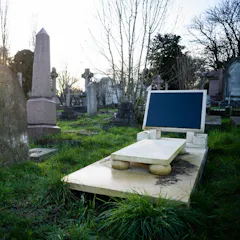
The recent case of a man making a simulation of his deceased fiancée raises important questions: while AI makes it possible to create “deadbots”, is it ethically desirable or reprehensible to do so?
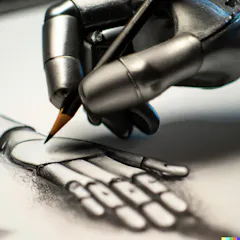
New software that can generate images and text on command may deliver ‘good enough’ creativity in advertising, copywriting, stock imagery and graphic design.
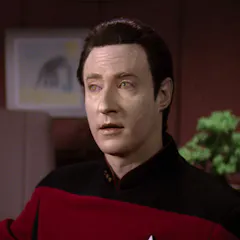
Philosophers say now is the time to mull over what qualities should grant an artificially intelligent machine moral standing.
The world’s largest technology companies are making public the programming and hardware designs at the center of their businesses.
Top contributors
-

Senior Lecturer, School of Engineering, Australian National University
-
Professor of Philosophy and Director of Applied Ethics Center, UMass Boston
-
Professor in Business Information Systems, University of Sydney
-
Professor of Computer Science, University of California, Berkeley
-
Professor of AI, Research Group Leader, UNSW
-
Guest Research Fellow, School of Computing and Information Systems, The University of Melbourne
-
PhD Student, School of Computing, Australian National University
-
Professor of Design and Innovation, Nottingham Trent University
-
Director of Sydney Executive Plus, Business School, University of Sydney
-
Professor of Management, University of Essex
-
Assistant Professor, Faculty of Business, University of New Brunswick
-
Interim Pro Vice-Chancellor (Regional & Metro), University of Wollongong
-
Senior Research Fellow in AI Accountability, Queensland University of Technology
-
Professor of International Business, The Fletcher School & Tisch College of Civic Life, Tufts University
-
Lecturer in Artificial Intelligence, King's College London