

Cyber-scams tend to ramp up at this time of year, with criminals and scammers eager to exploit people’s generosity and excitement.
Articles on Online trust
Displaying all articles

Younger people aged 18 to 28 were more likely to be negatively impacted by manipulative designs on websites and apps.

People have formed tribes since the dawn of time and, in the digital age, online tribes are helping members deal with all the uncertainties and decisions involved in getting kids ready for school.

Prominent ‘danger’ signs are needed online to warn people about misinformation.

While some online services such as banking do warrant using your true information, many sites shouldn’t require the same level of disclosure. Here’s how to protect yourself in such cases.

Most of us are probably having our data tracked in some form. And while there are regulatory safeguards in place to protect user privacy, it’s hard to say whether these are enough.

Research shows we’re pretty gullible as it is. And our increasing reliance on machines for completing everyday tasks makes us all-the-more vulnerable to being exploited.
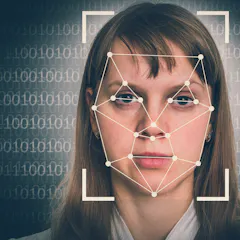
More democratic forms of politics, journalism and fact-checking will be needed when we can no longer trust any video footage.

Academic research highlights the dangers – personal and societal – of giving too much time and attention to social media.

Three trends suggest people in less developed nations – who are coming online in greater numbers – use and trust the internet very differently those in more developed economies.

Parents aren’t taught how to verify the health information they find online. So here are some ways to ensure the sources are credible and trustworthy.

New research has uncovered a previously unknown weakness in smart city systems: devices that trust each other. That could lead to some pretty terrible traffic, among other problems.

Users shouldn’t trust Facebook, but that doesn’t mean they should immediately abandon what has become a crucial platform for connectedness.
Top contributors
-

Assistant Professor of Computer Science, University of California, Irvine
-
Postdoctoral Researcher, School of Media Arts and Technology, Southampton Solent University
-
Associate Professor, Sydney Medical School, University of Sydney
-
Postdoctoral Fellow in Sociology, Dartmouth College
-
Professor of Sociology, Dartmouth College
-
Dean of Global Business, The Fletcher School, Tufts University
-
Professor of Electrical Engineering and Computer Science, University of Michigan
-
Senior Staff Specialist, Centre for Kidney Research, The Children's Hospital at Westmead; Associate Professor, Discipline of Child and Adolescent Health, University of Sydney
-
Senior Lecturer & Researcher in Digital Marketing, Edith Cowan University
-
Senior Lecturer – Security, University of Sydney
-
Associate Professor of Information Systems, Curtin University
-
Course Leader and Senior Lecturer in Cyber Security NCSA, University of South Wales
-
Associate Professor, Faculty of Law & Justice; Lead, UNSW Public Interest Law & Tech Initiative, UNSW
-
Professor of Software Systems and Cybersecurity, Monash University
-
Reader in Human Computer Interaction, Cardiff Metropolitan University