
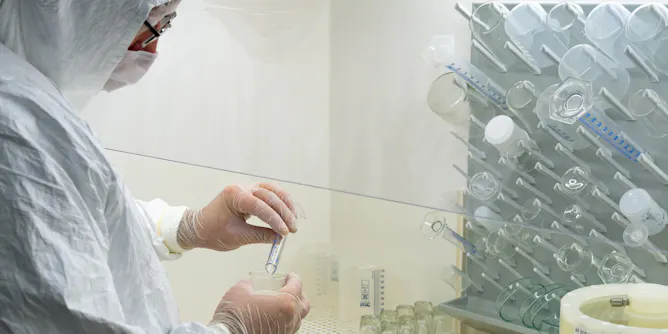
Based on the little data we have so far, Omicron XE appears slightly more contagious than other COVID variants.
Articles on Omicron variant
Displaying 41 - 60 of 155 articles
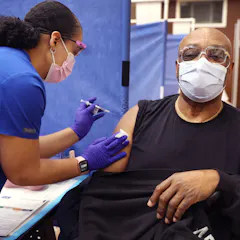
New data on the second booster suggests the older you are, the more you need it.
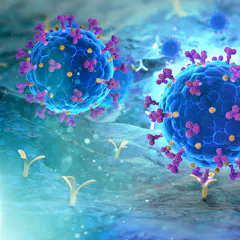
More than 1,000 cases of omicron XE have been detected in the UK so far. But we shouldn’t be seriously concerned at this stage.
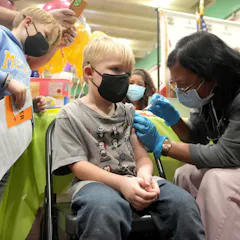
Moderna will ask the FDA to allow emergency use for its vaccine in children as young as 6 months, a step many parents have been anticipating.

Vaccine passports became one of the most divisive issues of the COVID-19 pandemic. These policies were affected not only by public opinion but by new variants and changing goals for herd immunity.
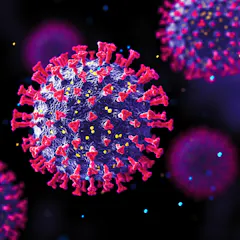
The latest addition to the omicron lineage has been making waves in Europe. Whether it will do the same in the U.S. depends on rates of vaccination and prior infection.

Hybrid viruses that are part delta and part omicron have been found in Europe and North America.

COVID cases are predicted to rise as we face another variant. So a 4th shot to top up our immunity is looking more likely as we head into winter.
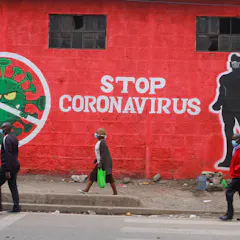
It’s a huge cause for concern that, two years into the pandemic, the disparities and unequal power structures in global health are still intact.

Instead of focusing on new variant-specific vaccines, the emphasis should be on deploying existing vaccines as fast as possible to as many people.
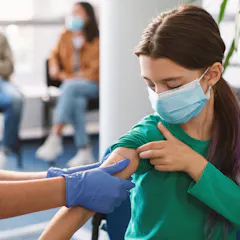
Under a quarter of 12- to 15-year-olds are double vaccinated, while vaccines for younger children are still yet to be rolled out.

The CDC’s controversial recommendation changes are based on new studies showing that most omicron transmission takes place within five days of the onset of illness.

Three months after Omicron abruptly arrived, we now know more about the variant. So what does the science say about how contagious it is, how long it takes to get sick and how effective vaccines are?

These new antivirals are another way of managing COVID-19. But they’re not a panacea, and could even makes things worse.
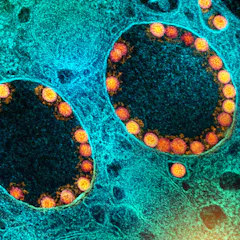
COVID-19 variants are the products of the evolution of the SARS-CoV-2 virus. They arise via mutations, but other forces also have roles to play in the generation and transmission of variants.

As we move through the ongoing COVID-19 pandemic, new predictive methods of testing can help monitor the spread of the disease. Environmental testing, like swabbing floors, is a useful tool.
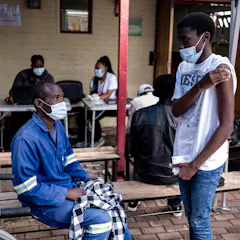
South Africa is still likely to experience periods of increased cases, smaller-scale outbreaks and even the development of new variants.

From vaccines to treatments and even medical equipment, intellectual property rights have hampered the world’s efforts to fight the pandemic.

Here’s what we know so far about why reinfections happen and what effects they have.
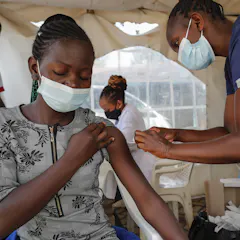
Emerging evidence suggests the highly infectious Omicron variant has the ability to escape the protection two vaccine doses offer.
Top contributors
-

Professorial Fellow, University of Canberra
-
Professor, Infectious Diseases and Microbiology, The University of Queensland
-
Professor of Pathology, Microbiology and Immunology, University of South Carolina
-
Associate Professor of Molecular Medicine, UMass Chan Medical School
-
Professor of Pathology, Microbiology and Immunology, University of South Carolina
-
Dean Faculty of Health Sciences and Professor of Vaccinology at University of the Witwatersrand; and Director of the SAMRC Vaccines and Infectious Diseases Analytics Research Unit, University of the Witwatersrand
-
Professor, School of Biomedical Sciences and Pharmacy, University of Newcastle
-
Canada Research Chair in Aging & Immunity, McMaster University
-
Professor and Department Chair of Infectious Diseases and Microbiology, University of Pittsburgh
-
Adjunct Professor: Department Internal Medicine, University of Pretoria
-
Professor of Medicine, University of East Anglia
-
Professor, Biology, York University, Canada
-
Principal Medical Scientist at National Institute for Communicable Diseases (NICD), National Institute for Communicable Diseases
-
Senior Lecturer, Medical Microbiology, University of Westminster
-
Research scientist, Manaaki Whenua - Landcare Research