
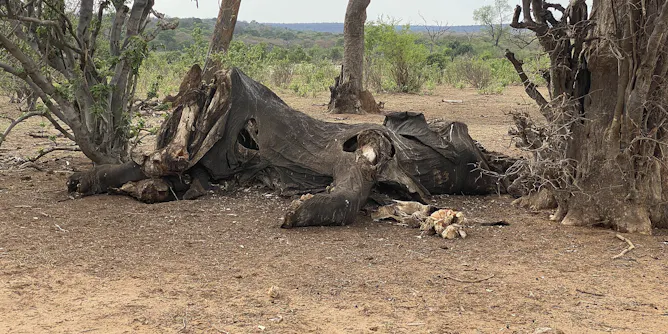
Evidence of hominins butchering huge animals suggests that our human ancestors lived in big social groups.
Articles on Olduvai Gorge
Displaying all articles
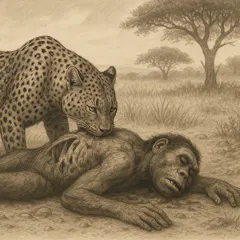
Paleoanthropologists have thought that Homo habilis was the first stone-tool maker and meat-eater in our genus. But new research suggests H. habilis might not have been so advanced.
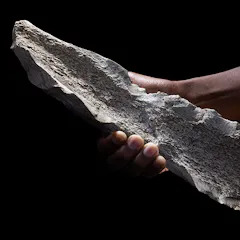
By 1.5 million years ago, Homo erectus was able to transfer tool-making skills from stone to bone.

A transcript of episode 5 of The Conversation Weekly podcast, including stories on the Arctic Ocean and new archaeological finds in Tanzania’s Olduvai Gorge.

Plus, new discoveries about early humans in Tanzania’s Olduvai Gorge. Listen to episode 5 of The Conversation Weekly podcast.
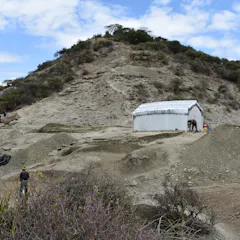
The research shows that 2 million years ago humans were not constrained technologically and already had the capacity to expand their geographic range.
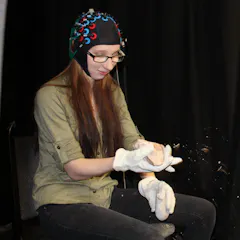
We can’t observe the brain activity of extinct human species. But we can observe modern brains doing the things that our distant ancestors did, looking for clues about how ancient brains worked.
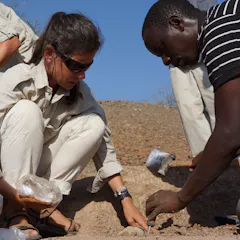
Stone tools excavated in Kenya date back 3.3 million years – making them about a million years older than the oldest known fossils from our own hominid genus Homo. Who made and used these tools?
Top contributors
-

Professor of Anthropology and Archaeology, University of Calgary
-
Professor of Anthropology, Rice University
-
ARC Future Fellow in Marine Ecology, The University of Western Australia
-
Lecturer, College of Humanities, University of Dar es Salaam
-
Vice Dean for Research, Arctic and Marine Biology, University of Tromsø
-
Director of Humanities Research Centre and Senior in the Department of Archaeology and Heritage Studies, University of Dar es Salaam
-
Lecturer of Anthropology and Assistant Director of the Turkana Basin Institute, Stony Brook University (The State University of New York)
-
Research Associate Professor of Anthropology, Stony Brook University (The State University of New York)
-
Associate Professor of Earth and Atmospheric Sciences, Indiana University
-
Postdoctoral Research Fellow, The Stone Age Institute and The Center for Research into the Anthropological Foundations of Technology, Indiana University