

Policymakers have generally been extremely slow to do anything about the problem.
Articles on Ofcom
Displaying 1 - 20 of 35 articles

This moment may be less about YouTube overtaking the BBC, and more about where BBC content now lives – and how it is experienced, remembered and understood.

In today’s febrile information climate, it is fair to ask whether the duty to remain impartial remains fit for purpose.

The vast majority of audience complaints are not upheld by the BBC or by Ofcom.
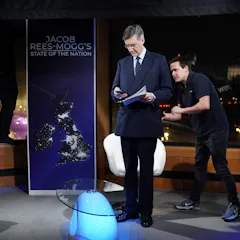
What do audiences really think about impartiality in news presenting?

A broadcaster can’t blame someone else when a mistake appears in a film.

Elon Musk uses X to amplify Trump’s political messages.

The numbers suggest that many people have not given up on TV news, but rather have gone online in addition to watching television.

Creative freedom without the rules and restrictions of traditional broadcast media is what is allowing this medium to thrive.
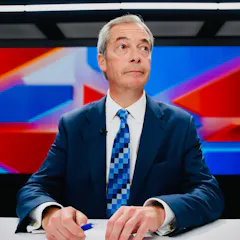
Audiences may not know if so-called impartial news is delivered by professional journalists or partisan politicians.
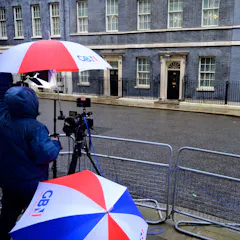
Evidence shows the public still want impartiality from broadcasters.

Cybercriminals are attempting to monetise the hacking techniques used by state actors.
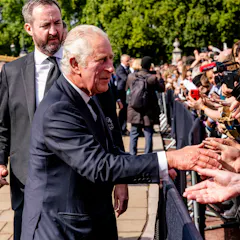
Ofcom guidelines ask broadcasters to use ‘due impartiality’ in reporting.

Reality shows now have a duty of care to their contestants

The broadcaster risks losing its distinctive edge in private hands.

A recent report from Ofcom found children as young as three are watching videos on TikTok.

Ofcom’s duty is to regulate broadcasting on behalf of UK citizens. That appears to be under threat, both from internal forces and potentially from its next chair.

Research shows broadcast journalism is already becoming more partisan.
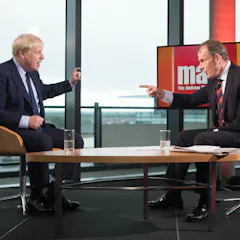
Leaks in the press about the prime minister’s preferred candidates for two of the most senior roles in British broadcasting are a deliberate and dangerous tactic.

Free speech is too important to leave it to a government regulator to decide what should be banned.
Top contributors
-

Professor, Cardiff School of Journalism, Media and Culture, Cardiff University
-
Professor, Computer Networking and Telecommunications, University of Salford
-
Professor of Communications, University of Westminster
-
Professor of Television Journalism, City St George's, University of London
-
Professor of Communication, Charles Sturt University, and Honorary Associate, Discipline of Media and Communications, University of Sydney, University of Sydney
-
Professor of Economics, Lancaster University
-
Associate Professor in Psychology and Lead, Cyberpsychology Research Group, Nottingham Trent University
-
Reader in Media Studies, University of East London
-
Professor of Cybersecurity, Head of School of Computer Science and Informatics, De Montfort University
-
Lecturer in Law, Edinburgh Napier University
-
Lecturer in Communications Policy and Politics, University of East Anglia
-
Lecturer in Cyber Security, Cranfield University
-
Professor of Media History, University of Westminster
-
Associate Professor of Political Theory, UCL
-
UCL