
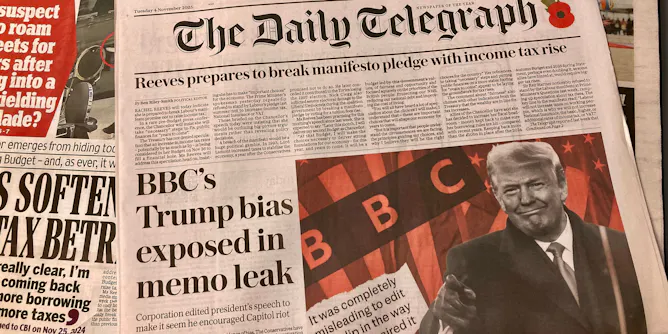
The Prescott memo contained no research questions or objectives, method, sample, time frame or, crucially, analytical framework for examining output.
Articles on impartiality
Displaying all articles

In today’s febrile information climate, it is fair to ask whether the duty to remain impartial remains fit for purpose.

The vast majority of audience complaints are not upheld by the BBC or by Ofcom.
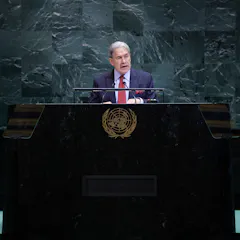
Cabinet papers are usually prepared by ministries with input from impartial public servants. The process over Palestine raises wider questions about transparency.

An uncritical reliance on ‘merit’ in hiring can actually perpetuate bias and inequality.
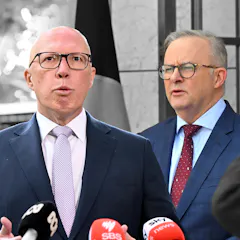
With stretched resources and insatiable demand for content, Australian media will have a difficult job covering the next federal election. But they must strive for “proactive impartiality”.
Where do free speech rights end and professional journalistic obligations begin? For journalists in the public eye, it can be hard to tell.
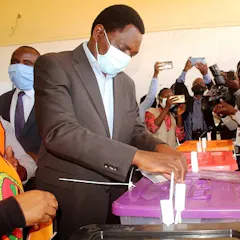
Stakeholders, whether they be policymakers, political parties, civil society or the media, must proactively pursue electoral integrity.
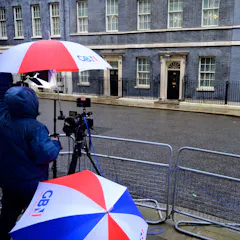
Evidence shows the public still want impartiality from broadcasters.
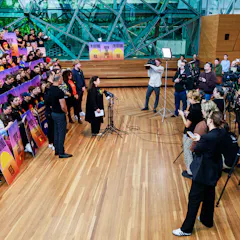
Hundreds of Australian journalists signed an open letter to news organisations calling for better coverage of the war. It calls their impartiality into question.
The “he said/she said” reporting of yesteryear no longer serves a democratic purpose. Media must do better at calling out lies and misinformation.
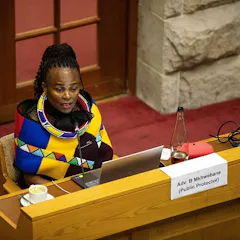
Past controversies and their impacts show how important it is to make the right appointment to the position.
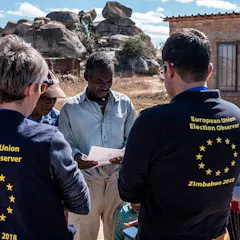
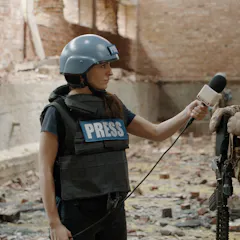
Observers regularly face dangers owing to political instability, insecurity, violence and other crises in some countries.
The disinformation age is changing what it means to produce fair or balanced reporting.
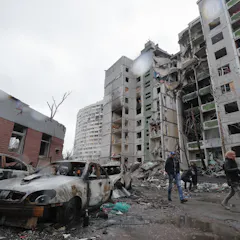
Instead of drawing on the lessons of its own negotiated settlement and its rich history of peace-making in Africa, Pretoria chose to appease Russia.
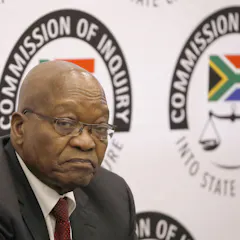
Claiming a right to determine reality by mere say-so is becoming increasingly commonplace, but we should never get used to it.
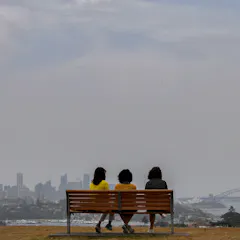
Given the summer we have had, media acquiescence in climate change denial, and failure to follow the weight of scientific evidence, looks like culpability.
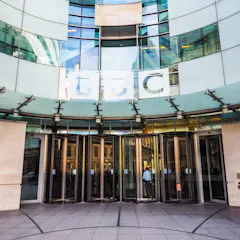
The public broadcaster tries to cater to all views, but sometimes that’s a dangerous strategy.

In the digital age, one of the most complex challenges for media outlets is how to re-shape the editorial responsibilities of journalism itself. Are the hallmarks of good journalism – accuracy, independence…
Top contributors
-

Senior Research Fellow, Centre for Advancing Journalism, The University of Melbourne
-
Professor, Cardiff School of Journalism, Media and Culture, Cardiff University
-
Associate Professor in Public Law, University of Cape Town
-
Professor, Department of Political Sciences, University of South Africa
-
Professor of Mathematics, University of Surrey
-
Lecturer, Rhodes University
-
Doctoral Researcher in Politics, University of East Anglia
-
Professor of the Practice of Mediation, University of Notre Dame
-
Professor of Work and Organisation, Queensland University of Technology
-
Reader in Government, Te Herenga Waka — Victoria University of Wellington
-
Professor of Politics, Te Kunenga ki Pūrehuroa – Massey University
-
Head of the School of Journalism, Media and Culture, Cardiff University
-
Research Associate School of Journalism, Media and Culture, Cardiff University
-
Research Associate School of Journalism, Media and Culture, Cardiff University; Swansea University
-
PhD candidate in Communication and Media, University of Liverpool