
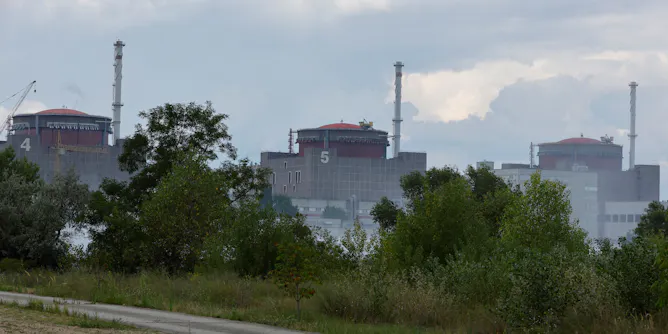
The power plant’s sixth reactor has been shut down, all but eliminating the risk of a nuclear meltdown. But fighting at the site could still release radioactive material.
Articles on Nuclear power plants
Displaying 21 - 40 of 108 articles
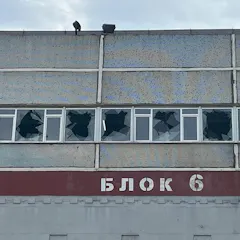
Artillery shelling, stressed-out technicians and power supply disruptions increase the chances of catastrophe at the Zaporizhzhia nuclear power plant, Europe’s largest.
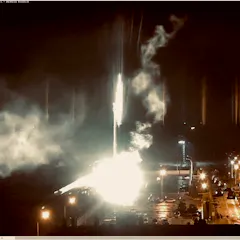
The conflict highlights the folly of nations exiting nuclear power while continuing to use coal, gas and oil.
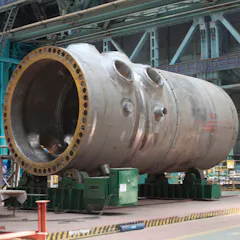
Russia isn’t a major producer of uranium, but it handles a large share of the steps that turn it into nuclear fuel. That makes it a major player in this globalized industry.
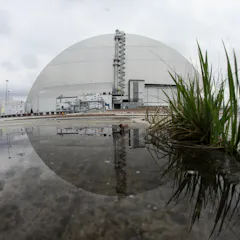
The level of danger posed by the Chernobyl power cut depends on how long it lasts.
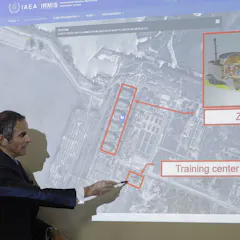
The world held its collective breath as Russian troops battled Ukrainian forces at the Zaporizhzhia nuclear power plant. The battle is over and no radiation escaped, but the danger is far from over.
Plus, the social pressure some people feel to be happy in the world’s happiest countries. Listen to The Conversation Weekly.
The submarine announcement is sure to trigger a new round of debate on whether nuclear energy is right for Australia. But let’s be clear: the technology makes no sense for Australia.
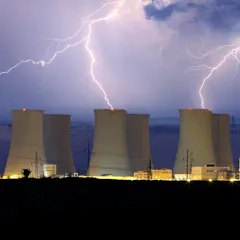
The world’s nuclear power plants are on the frontline of climate change – and not in a good way.
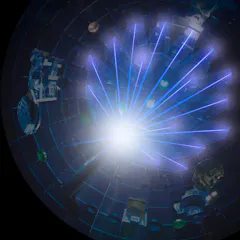
Scientists are working on ways to make lots of energy by converting matter into energy. The trick is keeping the process under control. One possibility is nuclear fusion – the Sun’s power source.
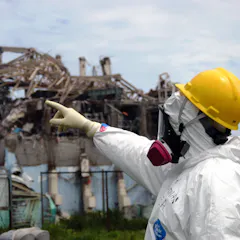
On the 10th anniversary of the Fukushima nuclear disaster, two experts explain why human choices are more important to nuclear safety than technology, and why the job is far from finished.
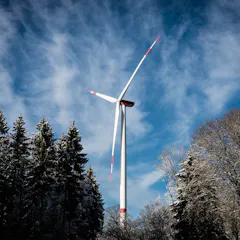
Nuclear power isn’t needed to meet Ontario’s electricity needs. And the absence of nuclear power won’t have any impact on emissions in Ontario’s energy sector.
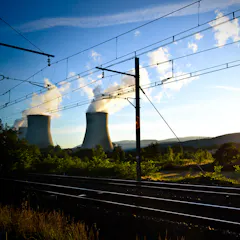
Recent debates about the future of nuclear power in Australia make much of the potential of the next generation of reactors.
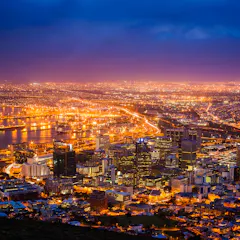
Unpacking what South Africa’s new energy plan says about nuclear energy.
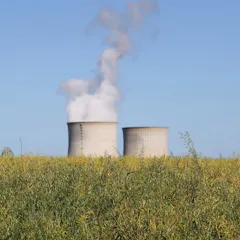
Nuclear energy generates 75% of France’s electricity, and ongoing troubles at the new Flamanville EPR reactor have raised crucial questions about its future in the country’s electricity mix.
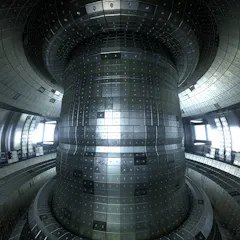
Nuclear fusion may power post-carbon societies – but it won’t save us from climate change.
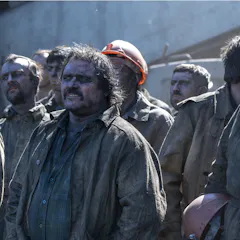
Most of the time, these operations were not urgent – unlike the one following this disaster that summoned some 600,000 people to the site of the worst nuclear accident of all time.
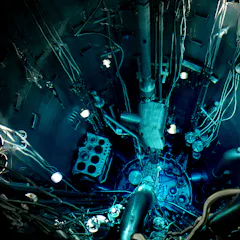
The state of Australia’s energy and climate change policy is reason to despair. But there may be a nuclear solution that keeps both sides happy.
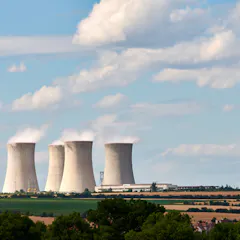
The government has asked a parliamentary committee to examine the issue and report on it by the end of 2019.
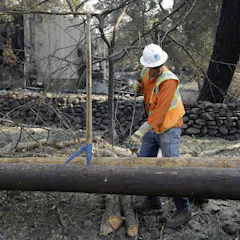
The electric utility is seeing rapid changes and threats that affect consumers, from more wind and solar to wildfires. How they react depends in large part on regulators.
Top contributors
-

Professor of Physics, University of Johannesburg
-
Professor of Engineering and International Relations, University of Southern California
-
Simons Chair in Disarmament, Global and Human Security at the Liu Institute for Global Issues, University of British Columbia
-
Professor, Environmental and Urban Change, York University, Canada
-
Sociologue, IMT Atlantique – Institut Mines-Télécom
-
Professorial Fellow, University of Canberra
-
Timothy J. Jorgensen is a Friend of The Conversation.
Director of the Health Physics and Radiation Protection Graduate Program and Professor of Radiation Medicine, Georgetown University
-
Lecturer in International Studies, University of Washington
-
Professor, Mathematical Sciences Institute and School of Computing, Australian National University
-
Honorary Senior Research Associate, UCL Energy Institute, University College London, UCL
-
Professor, School of Economics, The University of Queensland
-
Reader in Energy Policy, University of Aberdeen
-
Director of Energy Studies, University of Florida
-
Directeur du Centre de recherche sur les risques et les crises et chercheur au sein du Collège des Sciences Navales, Mines Paris - PSL
-
Professor of Civil and Environmental Engineering, Rice University