
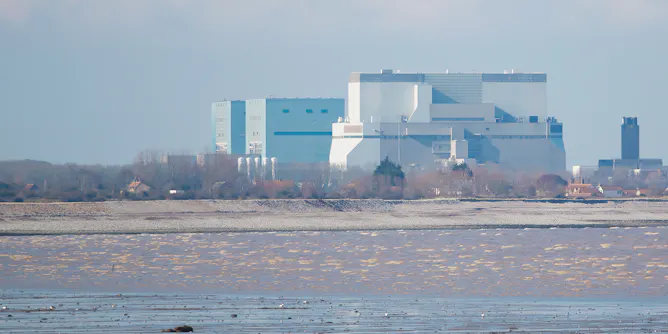
Britain should focus on energy efficiency and small-scale renewable projects, not huge new power plants.
Articles on Nuclear power
Displaying 201 - 220 of 292 articles
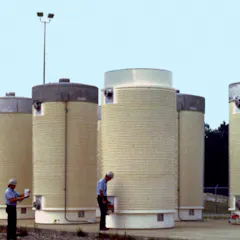
The South Australian royal commission recommended the state investigate a high-level nuclear storage facility. But the costs don’t stack up.
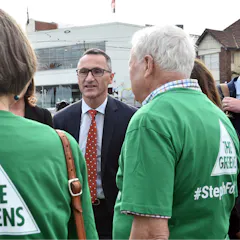
The Greens have successfully cast themselves as the party of climate science. But to hit their climate goals they may need to become even more radical, by embracing technologies like nuclear power.
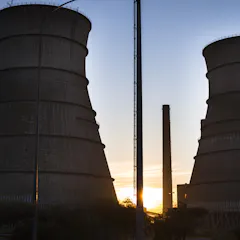
South Africa’s nuclear plans have been put on hold. In light of recent events in the country, pressure is being put on the government to halt the process.
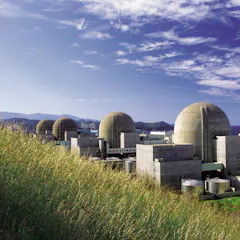
South Australia’s Nuclear Fuel Cycle Royal Commission has recommended a nuclear waste site for the state.
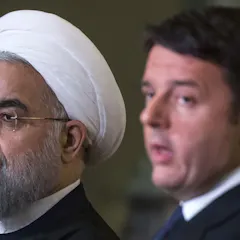
The most difficult aspect of trade in “post-sanctions” Tehran, is how to navigate the sanctions still in place.
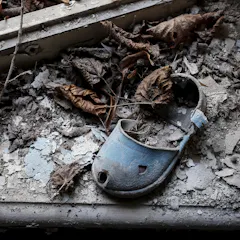
Chernobyl is already responsible for up to 5,000 cases of cancer in Europe.

The meltdown at the Chernobyl Nuclear Power Plant in 1986 exposed 572 million people to radiation. No other nuclear accident holds a candle to that level of public health impact.

How do we measure long-term impacts of nuclear accidents? Studies at Chernobyl and Fukushima show that radiation has harmed animals, birds and insects and reduced biodiversity at both sites.
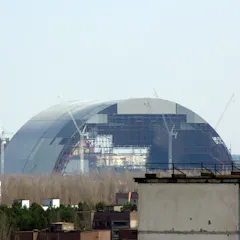
Engineers have devised an innovative way to dismantle Chernobyl’s reactor while preventing further radiation escaping.
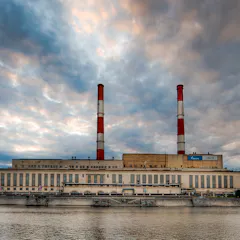
Russia’s energy exports are expanding far beyond oil and gas to include coal, nuclear and refined petroleum products, a trend with far-reaching geopolitical consequences.
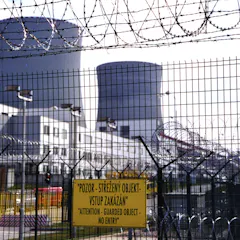
Recent terrorist attacks have heightened concerns about the security of nuclear plants. A former top U.S. nuclear regulator says security is weak at many sites worldwide.

Evidence suggests that the threat is not being taken seriously enough.
Small nuclear reactors are one step closer to powering the UK’s future energy requirements.
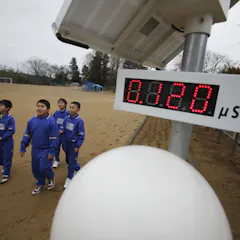
Remediation will never get radiation to zero in the area affected by the 2011 meltdown at the Fukushima-Daiichi nuclear power plant. Rather than safety, the conversation should focus on acceptable risk.
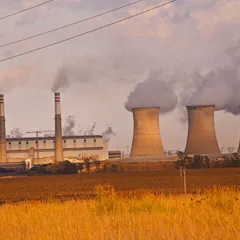
The process of decarbonisation is a complex one for South Africa, as most its power supply comes from coal.
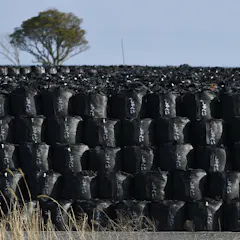
The nuclear operator was nowhere near adequately covered for the disaster. And it’s not just a Japanese problem.
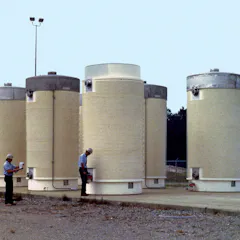
We don’t know how much it would cost to store nuclear waste in Australia - or how much other countries would be willing to pay.
President Zuma indicated a welcome slowdown in the South African government’s stated intention to invest in nuclear power plants.
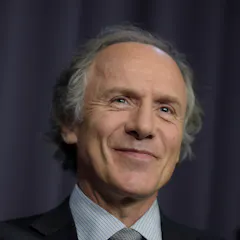
Dr Alan Finkel took over as Australia’s Chief Scientist in January this year. In this exclusive interview, he describes his approach to science, and to issues such as renewable energy and STEM jobs.
Top contributors
-

Professorial Fellow, University of Canberra
-
Professor of Physics, University of Johannesburg
-
ARC Australian Laureate Professor, University of Tasmania
-
Doctoral student, Adelaide University
-
Professor, School of Economics, The University of Queensland
-
Emeritus Professor, School of Environment and Science, Griffith University
-
Professor of Engineering and International Relations, University of Southern California
-
Simons Chair in Disarmament, Global and Human Security at the Liu Institute for Global Issues, University of British Columbia
-
Honorary Associate Professor, UNSW
-
Professor of Energy, The Open University
-
Nuclear Physicist, UNSW
-
Visiting Fellow, School of Global Studies, University of Sussex; University of Tartu; Utrecht University
-
Lecturer in International Studies, University of Washington
-
Research and Knowledge Transfer Manager, Department of War Studies and the Centre for Science and Security Studies, King's College London
-
Professor of Science & Technology Policy, SPRU, University of Sussex Business School, University of Sussex