

The G20 should acknowledge that diseases like high blood pressure and type 2 diabetes are part of a system in which commercial actors are causing ill health.
Articles on Non-communicable disease
Displaying all articles

A new study suggests that adding salt to your food at the table is linked to an increased risk of type 2 diabetes. But caution is needed.
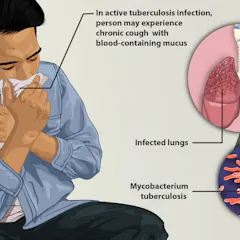
Indonesia has the world’s second-highest rates of TB – but lack of funding means not enough people are being diagnosed and treated fast enough.

Nine in ten of all deaths in New Zealand are caused by non-communicable diseases such as heart disease and diabetes. Better use of research evidence could save lives and healthcare dollars.
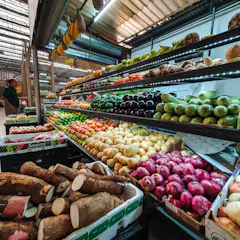
The interplay of poverty, inequality, urbanisation and the industrial food system leaves low-income families with limited access to fresh, healthy foods.
There’s a lack of locally relevant knowledge to prevent and control non-communicable diseases in African countries.

Fast-food outlets outnumber healthy food stores in South Africa’s Gauteng province.

This is a critical time for our planet. What we eat and how we get our food will shape its future.

Africa is expected to have among the steepest increases in the number of people affected by non-communicable diseases - it needs health care systems that can cope.
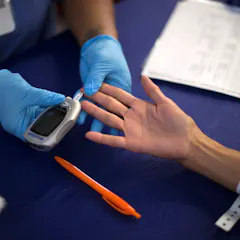
Being able to buy processed “food-like” products is often seen as a mark of personal and material success. Little attention is paid to having a healthy diet.

If South African consumers were educated on how to read and understand the information on food labels, they may be more willing and capable of making healthier food choices.
Top contributors
-

Professor and Programme Director, SA MRC Centre for Health Economics and Decision Science - PRICELESS SA (Priority Cost Effective Lessons in Systems Strengthening South Africa), University of the Witwatersrand
-
Senior Research Fellow, University of Oxford
-
Senior Lecturer, Division of Human Nutrition, Faculty of Medicine and Health Sciences, Stellenbosch University
-
Postdoctoral fellow, Johns Hopkins University
-
Clinical Endocrinologist & Associate Lecturer, University of the Witwatersrand
-
Postdoctoral fellow, University of Cape Town
-
researcher, University of Cape Town
-
Children, Social Welfare, and Health Research Officer, Resilience Development Initiative (RDI)
-
Wellcome Trust Intermediate Fellow & Senior Research Officer, Department of Medicine, University of Cape Town
-
Honorary Associate Professor, University of Leicester
-
Program Manager, Resilience Development Initiative (RDI)
-
Professor of Medicine and Director, Healthier Lives–He Oranga Hauora National Science Challenge and Co-Director, Edgar Diabetes and Obesity Research Centre, University of Otago
-
Director of the Non-Communicable Diseases Research Unit at the South African Medical Research Council, Professor in the Department of Medicine, University of Cape Town
-
Professor, Sustainable Food Systems, Dalhousie University
-
Associate Professor and Director of the SAMRC/Wits Centre for Health Economics and Decision Science - PRICELESS SA (Priority Cost Effective Lessons in Systems Strengthening South Africa), University of the Witwatersrand