
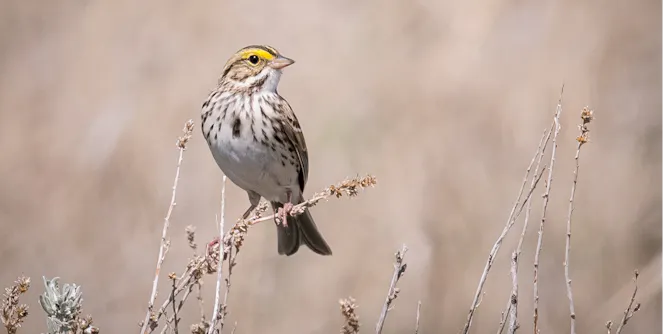
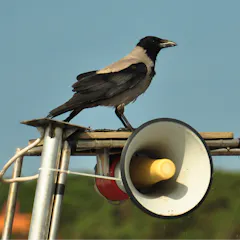
In our increasingly noisy world, how do you make sure that your voice is heard? If you’re a bird, that depends on the type of noise and what you’re trying to say.
Articles on Noise pollution
Displaying 41 - 53 of 53 articles

New research shows that noise pollution in US cities is concentrated in poor and minority communities. Beyond regulating airplane noise, the US has done relatively little to curb noise pollution.
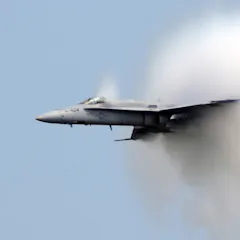
Fly-bys by RAAF Super Hornets and army helicopters are a noisy finale to the Brisbane Festival. While many find this sound awe-inspiring, what of those with lived experience of war?

Humpback whales are deterred from their migration routes by the noise of air guns used to survey the ocean floor for oil and gas deposits, a new study has found.
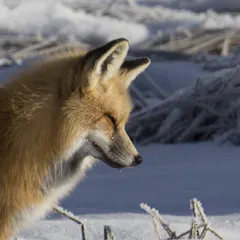
A recent study finds that noise from human activities is intruding into many parks and other protected areas. Creating quiet zones and noise corridors can help reduce impacts from noise pollution.
The increasing use of the sea for human activities has resulted in a dramatic rise in noise levels.

From Long Range Acoustic Devices used to disperse protesters to ear-splitting military drones to songs blasted on rotation to prisoners, ours is an age in which sound has been repositioned as a tool of terror.
One species of bat is able to switch from hearing to echolocation when there’s too much noise, according to new research.
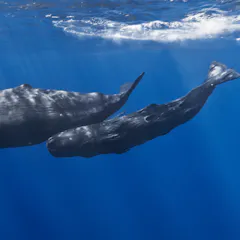
We tend to think of the oceans as quiet, when in fact they’re anything but. Noise is the “forgotten pollutant”, but the good news is that unlike many other pollutants it can be switched off if we try.
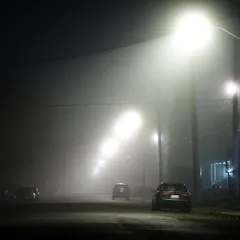
Shortly after Glen MacPherson started hearing strange humming noises, he created the World Hum and Database Project so people around the world could document their own experiences with the Hum.

Man-made noise changes the way animals respond to danger – but prairie dogs have a surprising reaction.

Too much background noise has been linked to heart disease, strokes and even holding back children’s learning.
Noise pollution, whether on land or under water, can affect animals in interesting – and not always positive – ways.
Top contributors
-

Senior Lecturer in Zoology, Bangor University
-
Emeritus Professor of Psychiatry, Queen Mary University of London
-
Adjunct Research Fellow, Griffith University
-
Assistant Professor of Biological Sciences, Mississippi State University
-
Marine Mammal Researcher, Fisheries and Oceans Canada
-
Senior Lecturer in Physiology, The University of Queensland
-
GMAT and GRE Specialist, Former Lecturer, University of British Columbia
-
Professor of Digital Sound and Interactive Media, Arizona State University
-
Phd Candidate, Evolution and Ecology Research Centre, UNSW
-
Professor of Environmental Science, Policy and Management and of Public Health, University of California, Berkeley
-
Assistant Professor, Harvard University
-
Assistant Researcher, School of Ecosystem and Forest Sciences, The University of Melbourne
-
Associate Professor, The University of Queensland
-
Postdoctoral Research Fellow, Colorado State University
-
Research fellow, Oxford Brookes University