
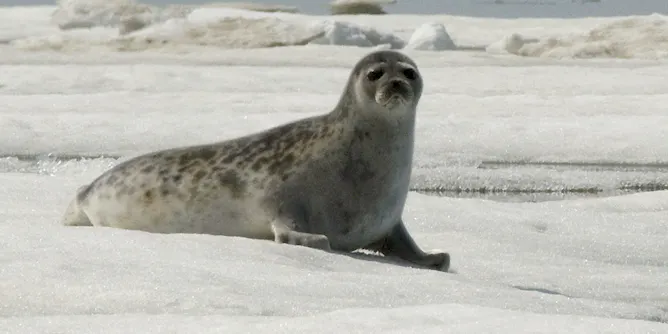
New research shows seals are being affected by chemical pollution in the Arctic food web and rapid climate-driven warming that is transforming their sea ice habitat.
Articles on Newfoundland and Labrador
Displaying 1 - 20 of 32 articles
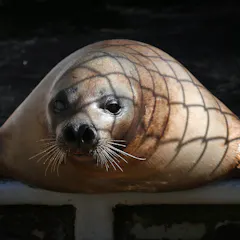
Since Atlantic cod fisheries collapsed in the early 1990s, ecosystems have been less productive and have struggled to recover.
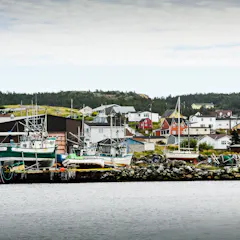
Policymaking on managing Canada’s fisheries could be improved by including provincial authorities and Indigenous stakeholders in more decision-making.

The value of government investments in tech ventures is not solely determined by whether the funded company becomes commercially successful.

The end of the Northern cod moratorium marks a pivotal moment for Newfoundland and Labrador’s fishing industry, which has grappled with the economic and social impacts of the moratorium for decades.

School food can connect people powerfully to their local lands, resources and economies, and be a tool towards reconciliation with Indigenous communities.
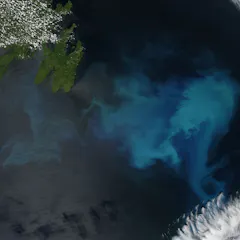
Recent research sheds light on the ocean’s annual ‘biological clock’ and highlights the key dynamics that make it susceptible to climate change.
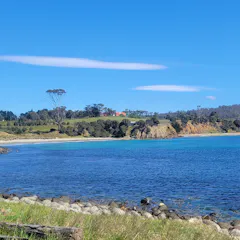
The lessons from Tasmania are clear. Asserting Indigenous rights in Canada can be mutually beneficial for all.

As communities across the globe struggle with mounting social, ecological and economic crises, creating conditions for collaboration and connection in and across communities can build resilience.
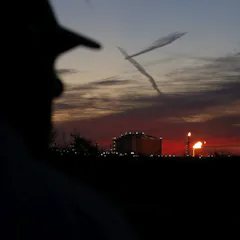
Any efforts to tackle methane emissions must first begin with measuring the intensity of those emissions.

Momentum on basic income is growing in Canada. However, pervasive myths about poverty are making implementing the idea challenging.
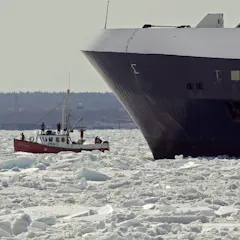
The sealing industry has evolved but the EU’s ban on seal imports has contributed to the enduring cultural violence experienced by Canadian sealers.
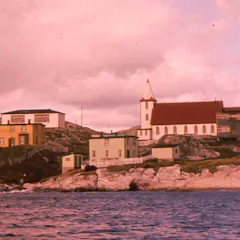
Resettled families did not receive adequate compensation for property left behind and were rarely provided with sufficient funds to build new lives.

Taxation of sugar-sweetened drinks is not only inequitable, but also has the potential to create or perpetuate weight stigma, which has negative effects on mental and physical health.

Evacuations can save lives, as in the case of post-tropical cyclone Fiona. As more frequent extreme weather events are set to occur, it is important to have evacuation plans in place.

Hurricane Fiona is the most devastating storm to hit Atlantic Canada. International collaboration between ocean measurement institutions is necessary to help efficiently plan responses to hurricanes.

Hurricanes don’t usually maintain high wind speeds as they make their way toward Atlantic Canada. But ocean warming may be linked to the increasing intensity of storms like Fiona.

A new energy deal between Canada and Germany could revitalize the Port of Churchill in Manitoba by increasing ammonia export traffic.
Support for Inuit and other Indigenous-led strategies for conservation and community well-being must be prioritized.

The common eider nests in colonies on islands of the St. Lawrence estuary. The down that the female duck takes to fill her nest has exceptional insulating properties.
Top contributors
-

Research Scientist, Fisheries & Marine Institute, Memorial University of Newfoundland
-
Associate Professor, University of King's College
-
Vice-President, Academic and Research, University of Prince Edward Island
-
Assistant Professor, Social Work | Associate Dean of Undergraduate Programs, Memorial University of Newfoundland
-
Research Scientist, Fisheries and Marine Institute, Memorial University of Newfoundland
-
Professeur associé, Département des sciences biologiques; écologie et aménagement des oiseaux migrateurs, Université du Québec à Montréal (UQAM)
-
Full Professor, Department of Community Health Sciences, University of Manitoba
-
Associate Professor, Political Philosophy and Education, University of British Columbia
-
Chief of the Three Rivers Mi'kmaq Band
-
Chief of the Flat Bay Band
-
Community Research Partner
-
Associate professor, University of British Columbia
-
Professor of Sustainability and Strategy, University of Victoria
-
Professor of Supply Chain Management, University of Manitoba
-
Professor of Civil Engineering and Director of the Beaty Water Research Centre, Queen's University, Ontario