
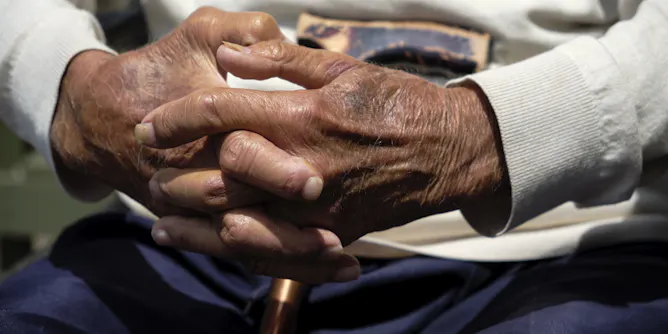
As the government considers major aged-care reform, research points to how a new system could better support kaumātua and whānau.
Articles on Maori health
Displaying all articles

Among 16 comparable countries, no other country has shrunk its public health expenditure as a percentage of GDP to the extent New Zealand has.

NZ’s one-size-fits-all approach to managing type 2 diabetes is better in theory than practice for many patients.
For as long as we’ve had democracies, majority rule has left some in the minority worse off. We need to be talking about what’s fair – not just what’s equal.
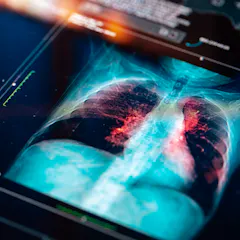
Half of all GP practices in New Zealand have closed their books to new patients. This means people are going on emergency departments for care – with deadly outcomes when it comes to lung cancer.
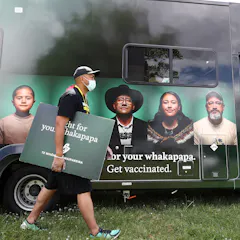
Māori and Pacific people already face a disproportionate burden of influenza and a persistently reduced life expectancy. Lowering the age for free flu vaccination is essential for achieving equity.

While the New Zealand government removes reference to the Treaty in the Oranga Tamariki Act, Canada and even Australia are taking steps in the opposite direction on Indigenous children’s rights.

There is no express right to health in New Zealand law. But international agreements protecting Indigenous rights to health and wellbeing set the standard New Zealand should follow.
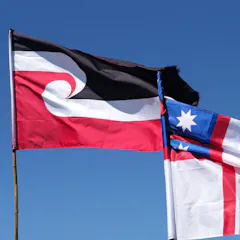
The ACT Party claims revisiting the principles of the Treaty of Waitangi is about political equality. But removing a Māori cultural dimension to New Zealand’s democracy would have an opposite effect.

Allowing whānau to be more engaged in the coronial investigation into a suicide would help provide answers for family – and help mental health services improve preventative measures.
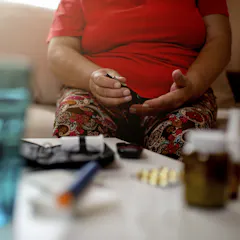
In a controversial move in 2021, drug-funding agency Pharmac fully subsidised new diabetes drugs for Māori and Pacific patients. Could the result help set a precedent?
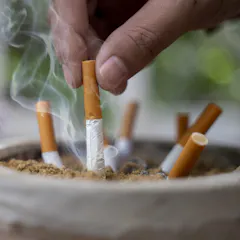
Legislation now entering parliament aims to make Aotearoa New Zealand smokefree by 2025. Forecast effects show huge potential health gains, especially for Māori.

Based on certain criteria, New Zealand is clearly ‘winning’. But getting policy settings right over the long haul is about more than just having the most favourable assessment on selected criteria.
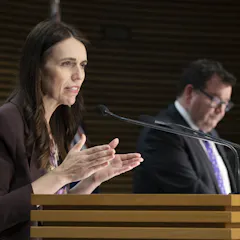
A royal commission of inquiry would take the politics out of assessing New Zealand’s pandemic response – and help safeguard future generations.

Auckland has risen to the top of a global liveable cities survey on the back of the country’s pandemic response. But that’s not the full picture.

Stroke is New Zealand’s third highest cause of death, but few people recognise its symptoms and risk factors, particularly in Pasifika and Māori communities where stroke affects more people.

There are repeated calls for agency to be run by Māori and focused on improving Māori health, but so far nothing has been done.

When our COVID-19 lockdowns end, we can’t afford to stop caring about collective well-being. NZ is well positioned to show the world how it’s done – if we listen to Māori and other diverse voices.

Māori and Pasifika leaders’ experience of racism in government advisory groups suggests ongoing inequities in New Zealand health policy.
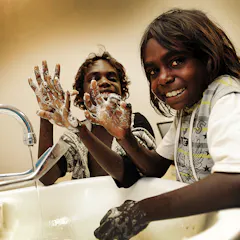
Indigenous people in Australia and New Zealand, despite the distance separating them and varying histories, have one disturbing issue in common: poor health.
Top contributors
-

Adjunct Professor, Stout Research Centre, Victoria University of Wellington and Auckland University of Technology, Professor of Political Science, Charles Sturt University
-
Professor of Law, University of Waikato
-
Associate Professor, Health Sciences, University of Waikato
-
Professor of Epidemiology, Population Interventions Unit, Centre for Epidemiology and Biostatistics, Melbourne School of Population and Global Health, The University of Melbourne
-
Associate Professor of Law, University of Waikato
-
Associate Professor of Health, Te Herenga Waka — Victoria University of Wellington
-
Adjunct professor, Te Herenga Waka — Victoria University of Wellington
-
Director Suicide and Mental Health Research Group University of Otago Wellington, University of Otago
-
Lecturer in Bioethics, University of Otago
-
Associate Professor of Philosophy, Te Kunenga ki Pūrehuroa – Massey University
-
Lecturer, Auckland University of Technology
-
Professor of Law, University of Waikato
-
Professor of Race Relations, Health and Wellbeing, Te Kunenga ki Pūrehuroa – Massey University
-
Senior Lecturer in Bioethics, University of Otago
-
Associate Professor, Auckland University of Technology