
Voluntary carbon markets have been dogged by controversy, lack of credibility and growing concerns about greenwashing.
Articles on New Zealand Emissions Trading Scheme
Displaying all articles
New Zealand needs a legal arrangement that allows carbon capture and storage technologies to evolve without being a mere offshoot of the oil and gas industry.
New Zealand’s government will likely model its carbon capture legislation on Australia and the EU, which means operators are responsible for leaks for a time after a carbon disposal site is closed.
The Emissions Trading Scheme would have been a better tool to reshape the energy market and cut emissions than an outright ban – and most new exploration had largely dried up already.
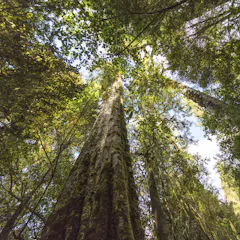
Pine grows faster and sequesters more carbon. But native forest is better for biodiversity in the long run. Transitioning between the two offers a win-win solution.
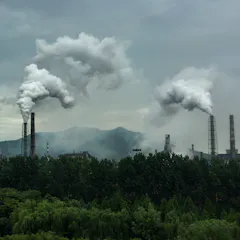
The idea that harm done today can be offset in the future is based on a basic misunderstanding of the carbon cycle. Planting more trees is important – but it’s no substitute for cutting emissions.
An emissions trading scheme is New Zealand’s main policy to tackle climate change. But to bring down emissions quickly enough, other policies will need to transform transport and agriculture.

Moving New Zealanders rapidly into electric vehicles is a good idea, but success will still depend on a number of difficult to predict economic forces.
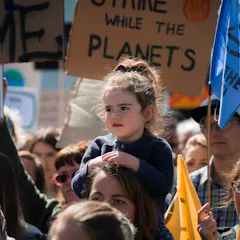
New Zealand is one of few countries to enshrine a zero-carbon goal in law, but current climate policies don’t keep up with that ambition.
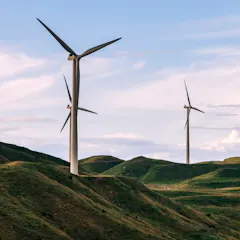
New Zealand voters are divided on climate policy along party lines, with the majority on one side of the political spectrum calling for urgent action while at the other end most recommend caution.

Traditional market transactions ignore the costs of greenhouse gas emissions. An emissions trading scheme is a tool to put a price on emissions and to influence us to choose lower-emission options.
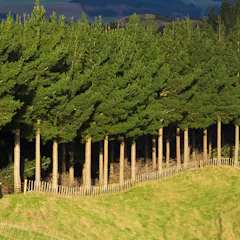
A new report suggests New Zealand should rethink climate policy and use forests to offset only agricultural emissions, which make up half of the country’s total emissions, and not carbon dioxide.
Top contributors
-

Professor in Civil and Environmental Engineering, University of Canterbury
-
Professor in Applied Mathematics, Te Kunenga ki Pūrehuroa – Massey University
-
Professor of Biogeography, Auckland University of Technology
-
Morgan Foundation Senior Research Fellow in Freshwater Ecology and Environmental Science, Te Herenga Waka — Victoria University of Wellington
-
Policy Fellow, Climate Change, Motu Economic and Public Policy Research
-
Professor of Finance, Griffith University; University of Otago
-
Professor of Environmental Science, Auckland University of Technology
-
Professor of Energy Economics, University of Auckland, Waipapa Taumata Rau
-
Senior Lecturer, University of Waikato
-
Professor of Law, University of Waikato
-
Senior Lecturer in Law, University of Waikato
-
Senior Lecturer in Social Sciences and Public Policy, Auckland University of Technology