
Voluntary carbon markets have been dogged by controversy, lack of credibility and growing concerns about greenwashing.
Articles on Offsets
Displaying all articles
Net zero is not as simple as planting a tree. The first step is understanding that tackling climate change, and reaching true net zero, requires returning carbon to the ground.

Large parts of Appalachia’s forests, once owned by coal companies, now make money for investors by storing carbon. But the results bring few jobs or sizable investments for residents.

Small adjustments can make a significant difference.

Nature, everyone agrees, is in trouble. But can Australia’s new market-based mechanism help?

The path of Plibersek’s big agenda stretches far beyond the one-term political horizon – and it’s fraught with dangers.
Millions of dollars have gone into California’s forest carbon offset program – with little new carbon storage to show for it, a new study suggests.

The nature repair market is sold as a good news story: willing land managers benefiting nature with support from the private sector. But if offsets are part of it, the reality could be very different.
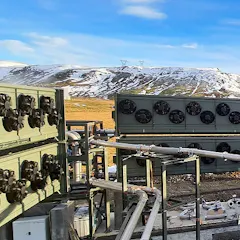
A climate scientist looks at what works and some popular ideas that aren’t as cheap or effective as people hope.
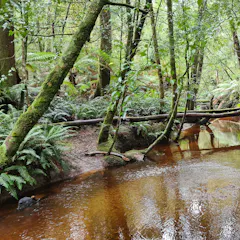
New research finds nature restoration only marginally lowers global warming. This pours cold water on the idea of using carbon offsets to solve the climate crisis.
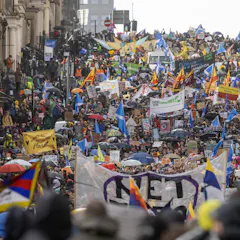
We cannot claim that inducing others to reduce emissions gives us a moral license to emit in their place.
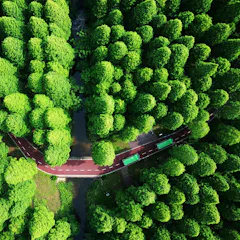
Yes, trees and soils can absorb and store carbon, but the carbon doesn’t stay stored forever. That’s one of the problems with how net-zero plans for the climate are being designed.
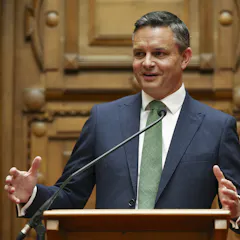
New Zealand has announced a more ambitious pledge to cut emissions, but the commitment relies on buying credits from offshore. There is no system for doing this yet, or for ensuring genuine cuts.
Top contributors
-

Senior Research Fellow, School of Geography, Earth and Atmospheric Sciences, The University of Melbourne
-
Lecturer, Financial Planning and Tax, RMIT University
-
Professor of Global Environmental Politics, College of the Atlantic
-
Professor, Australian National University
-
Senior Lecturer, Public Sector Management, School of Business, UNSW
-
Professor of Earth Science, University of California, Irvine
-
Professor in Applied Mathematics, Te Kunenga ki Pūrehuroa – Massey University
-
Director of the Research School of the Social Sciences and Professor of Philosophy at the ANU, Australian National University
-
Professor in Natural Resource Economics, Adelaide University
-
Assistant Professor of Geography and Sustainability, University of Tennessee
-
Research Fellow at The International Institute for Applied Systems Analysis (IIASA) and Melbourne Climate Futures, The University of Melbourne
-
Postdoctoral Scientist in Earth System Science, University of Maryland
-
Distinguished Scholar, National Center for Atmospheric Research; Affiliate Faculty, University of Auckland, Waipapa Taumata Rau
-
Honorary Associate Professor, ANU College of Law, Australian National University
-
Professor, School of Earth and Ocean Sciences, University of Victoria