

A new survey shows parents and carers have strong ideas about how a program for kids with disability could be designed.
Articles on New research
Displaying 161 - 180 of 836 articles
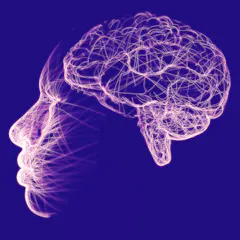
Some children recover better after traumatic brain injury than others, despite appearing similarly to doctors. Looking at the genetic and cellular level, however, reveal key differences.

While hospital CEO salaries and health insurance premiums have increased, health care quality has not.

Obituaries reveal shifting cultural values across time and place. Here’s a glimpse into how the moral vocabulary has evolved over several decades.

The Southern Ocean is the engine room of global heat and carbon uptake – and it’s changing faster and more dramatically than we thought.

More women are learning about their breast density when they receive their mammogram results. But what happens next?

Coral reefs have shaped Earth in much deeper ways than we usually appreciate.

The moss beds in Antarctica are like miniature forests – they create their own climate.

The responses reveal a much more nuanced picture of the relationship between young Australians and social media than the public debate suggests.

Naloxone can reverse an overdose in minutes, but exactly how it does this at the molecular level has previously been unclear.

Is an organism a sum of its parts, or should they be considered as a whole? New research on ferns shows how the way scientists understand evolution affects how they study life.

Just like everyone and everything else that was already in Australia when the First Fleet arrived in 1788, dingoes had to adapt to their new reality.

If you interact with chatbots about conspiracy theories, research shows you can can easily fall down the rabbit hole.

Trouble sleeping? Feeling irritable or bloated? A new study suggests masturbating might help you through the menopause.

WeChat, which is used by more than 1 billion people globally, has gone from ‘super app’ to ‘police app’.
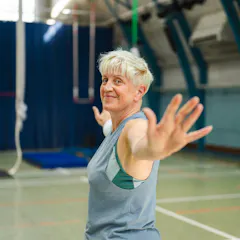
People who did a lot of physical activity between 45 and 64 had much lower odds of developing dementia – even when they carried a genetic risk factor.

Two new studies suggest the story of dogs and their relationship with humans is older and more complex than once thought.

Ancient crocs didn’t just hunt in water – some may have dropped out of trees to catch their prey.

Down syndrome results in changes to the structure and function of neural circuits in the brain. Delivering a specific protein to neurons could reverse these changes.
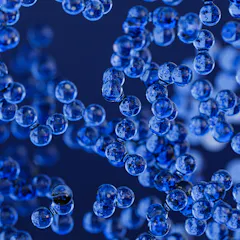
Moving tiny particles through materials quickly can improve the efficiency of a variety of technologies.
Top contributors
-

Professor of Health Economics, The University of Melbourne
-
Senior Research Fellow, Melbourne Institute of Applied Economic and Social Research, The University of Melbourne
-
Distinguished Professor of Pharmacy Practice, University of Connecticut
-
Director, Institute for Social and Health Equity, University at Albany, State University of New York
-
Professor of Gerontology, UMass Boston
-
Professor of Economics and Education Policy, New York University
-
Ben L. Fryrear Chair in Marketing and Associate Professor of Business Administration, University of Pittsburgh
-
Assistant Professor of Educational Psychology, The University of Texas at San Antonio
-
Associate Professor of Education, University of Southern California
-
Assistant Professor of Psychology, University of Pittsburgh
-
Senior Research Fellow and Lecturer of Gerontology, UMass Boston
-
Associate Professor of Marketing, Wayne State University
-
Principal Research Fellow, Australian Research Centre in Sex, Health and Society, La Trobe University
-
Assistant Professor of Philanthropic Studies, Indiana University
-
Professor, Department of Archaeology and Palaeoanthropology, University of New England