

Air traffic controllers have to process and manage large amounts of information to get airplanes to their destinations. The brain manages the incessant traffic of neurons in a similar fashion.
Articles on Neuroplasticity
Displaying 21 - 40 of 40 articles

Sugar triggers dopamine “hits” in the brain, making us crave more of it. Sugar also disrupts memory formation.

Our ability to smell is a function of the brain, so it makes sense that an impaired sense of smell can point to cognitive decline. The good news is training our noses may be effective.

Popular accounts of the effects of microdosing don’t quite match the experience of long-term microdosers, according to this new research.

From dyslexia, to dementia to schizophrenia, there is evidence that playing games can help, while boosting family connections and emotional wellbeing.

Neuroscience labs around the world may need to reevaluate some of their assumptions about whether what works in animals will really produce meaningful treatments for people.

One professor explains how war in Iran led her to a career in biomedical engineering - a rapidly growing field that offers students exciting opportunities to serve humanity.

Many brain training programs are based on the principles of neuroplasticity. But a new study shows that less than 40% are backed by proof of efficacy.
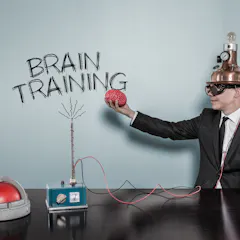
When research and commerce become entangled, consumers are the losers.
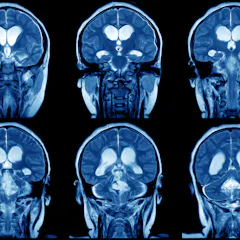
Without the ability to rewire itself, the brain wouldn’t be able to grow or recover from injury.
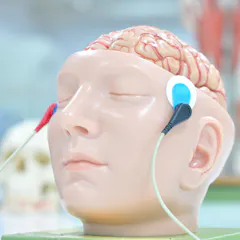
Research into how feelings and opinions can be shaped using technology or drugs could impact the whole of society not just the individuals concerned.

People develop a long-term problem after an episode of back pain if they expect to not recover. Steps by the medical sector to avoid catatrophising back pain by not suggesting scans will help.

Older people may be able to learn more from visual information than their younger counterparts, according to a study published today in the journal Current Biology. “The take-home message the study authors…

For years, conventional wisdom held that growing older tends to be bad news for brains. Past behavioral data largely pointed to loss in cognitive – that is, thinking – abilities with age, including poorer…

Memories from early childhood are notoriously elusive but why can’t we recall our most formative experiences? New research suggests it could be a case of the old making way for the new – neurons, that…

The brain and the mind are two sides of the same coin. We have always wanted to understand how our minds work but, until recently, lacked the tools to investigate the brain. The jelly-like tissue that…

Once upon a time we thought the brain was incapable of changing - if it was broken, it couldn’t be fixed. But that idea has been challenged in the last few decades with research suggesting that the brain…
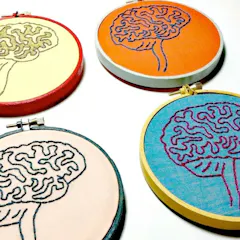
The human brain is the most complex and extraordinary structure in the known universe. And while there are many awe-inspiring facets of the brain, I will focus here on “neuroplasticity”, a term that has…
Neuroscience: the word oozes sophistication and intelligence – the very qualities we might want to nurture in our students, our children, our general populace. Maybe that’s why many people involved in…
Whenever I hear dire predictions concerning the social impact of new technologies, I recall a similar prediction made nearly 2,500 years ago. In the Phaedrus, Plato recounts a myth, according to which…
Top contributors
-

Professor and Head of Epigenetics and Neural Plasticity, Florey Institute of Neuroscience and Mental Health
-
Postdoctoral Fellow, UO Institute of Neuroscience and Howard Hughes Medical Institute, University of Oregon
-
Senior Lecturer (Adjunct), Nutritional neuroscientist, Adelaide University
-
Associate Professor of Psychiatry and Psychology, University of Pittsburgh
-
Lecturer in Rehabilitation, Adelaide University
-
Senior Research Fellow, Uehiro Centre for Practical Ethics, University of Oxford
-
Senior Research Fellow in Cognitive Science, Macquarie University
-
Visiting Assistant Professor, Simon Fraser University, Canada. Assistant Professor, Dayalbagh Educational Institute, India, Simon Fraser University
-
Head of Developmental Psychobiology Lab, Deakin University
-
Bradley Distinguished Professor, Adelaide University
-
Associate Professor of Psychology, Brandeis University
-
Emeritus Professor, The University of Melbourne
-
Professor of Biomedical Engineering, University of Manitoba
-
Postdoctoral Fellow, Academic Unit for Psychiatry of Old Age, The University of Melbourne
-
Scientia Professor of Ageing and Mental Health, Centre for Healthy Brain Ageing, UNSW