

Sleep habits can be improved by making shifts in both daytime and evening routines.
Articles on Neurodiversity
Displaying 41 - 60 of 73 articles
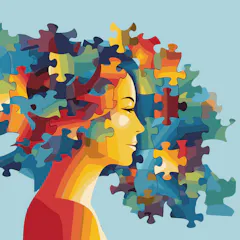
Neurodivergent employees can have specific needs. Inclusion in the workplace means businesses and employers need to consider differences that may not be visible to outsiders.

Incorporating nature via biophilic design has interested architects and landscape architects for a long time, but its benefits for neurodiversity are not very well-known.

Some people describe themselves as having Asperger’s disorder, while others call themselves autistic. But is there a difference?
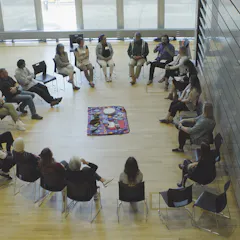
Although their stories often tell of strengths, struggles and important community contributions, the voices of Indigenous people with neurodevelopmental disabilities often go unheard.

New data from Queensland shows there has been a 20% increase in homeschooling in the state over the past year.

Research suggests magicians lack magical thinking.

Autistic people are not only more likely to feel lonely but are also more likely to experience it more acutely than non-autistic people according to new research.

Activists with autism, bipolar disorder and other conditions spoke about finding purpose in environmental activism.

A limited number of specialists are able to diagnose and treat ADHD, making it difficult to even start the process of getting diagnosed. Should GPs play a greater role?

Autistic girls tend to be diagnosed significantly later than boys,

From dopamine hacking to dopamine detoxes, some people have sought to harness this brain chemical to improve their mood and productivity. But it’s far more complicated than that.
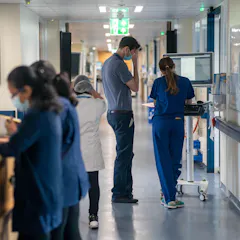
Autism health passports are a tool designed to help autistic people access healthcare more easily.

Should companies offer tailored timetables and workplaces on the basis of our different bodies, or are universal solutions, such as the four-day week, the way forward?

Agatha Christie never explicitly said so, but many of her Belgian detective’s character traits could be interpreted as being autistic.

The COVID-19 pandemic may have played a considerable role in the uptick of adults being treated for ADHD. But more data is needed to determine whether the trends will continue.

A review of government services has found that autistic people are being failed in health, education, employment, poverty and housing.

Though more research is needed, the idea is a relatively small amount of support early on can help prevent future difficulties.

Some services require a formal diagnosis of autism or ADHD – but there is much parents and carers can do to support their child and their own wellbeing.

After an outcry on social media over its requirement that writers provide a medical diagnosis, Black Inc. has put on hold a planned anthology: Growing up Neurodivergent in Australia.
Top contributors
-

Associate Professor in Public Health and Wellcome Trust Career Development Fellow, Swansea University
-
Assistant Researcher in Public Health, Swansea University
-
Assistant Professor in Psychology, Durham University
-
PhD Candidate in Access to Healthcare for Autistic Adults, Cardiff University
-
Associate Professor, Principal Research Fellow, Psychologist, La Trobe University
-
Associate Professor of Developmental Psychology, La Trobe University
-
Postdoctoral Research Fellow, UniSA Creative, Adelaide University
-
Deputy Director, The Kids Research Institute Australia, Professor of Autism Research, The University of Western Australia
-
Assistant Professor in Educational Inclusion, University of Birmingham
-
Associate Professor of Disability Studies in Education and Inaugural Chair in Student Success and Wellness, Queen's University, Ontario
-
Lecturer, International Management, University of Otago
-
Professor of Psychology, Business School, Dublin City University
-
Research Fellow, City Futures Research Centre, UNSW
-
Senior Instructor of Pediatrics and Developmental Pediatrics, University of Colorado Anschutz
-
PhD Candidate in Business Administration and Management, Concordia University