

For many autistic people, dating brings added challenges, from miscommunication to overstimulation.
Articles on Neurodiversity
Displaying 21 - 40 of 73 articles
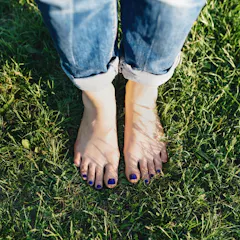
Some autistic people walk on the balls of their feet, or take more time to complete each step.

Increasing access to ADHD diagnosis and medication is a good move. But it shouldn’t be the whole plan to address a condition affecting thousands in New Zealand.

A new study shows painless brain stimulation technique may improve people’s ability to learn maths skills.
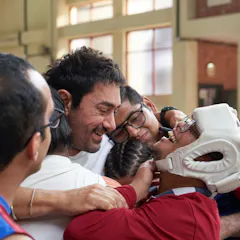
The funny and heartwarming new film is already a box office hit.

This casual phrase might seem harmless but it misunderstands what autism really is and can do real harm to autistic people.

To many autistic people, the puzzle piece represents stigma, exclusion and a harmful push to make them conform.
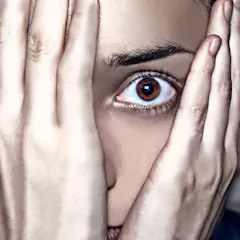
For some, a bouncing leg or a clicking pen is harmless. But for those with misokinesia, these small, repetitive movements can trigger intense discomfort—even rage.

Limerence is an intense, involuntary infatuation that can feel like love, but with obsessive thoughts and emotional highs and lows.

Some people embrace this new word but others reject it.

Introducing a more detailed assessment process in schools would help bridge the gap between education and specialist services.
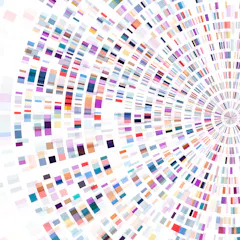
Comprehensive genetic testing can provide a more timely and accurate diagnosis and personalised support for autistic individuals and their families.

Disabilities can involve physical, emotional or cognitive impairments, and addressing these needs requires a holistic approach that considers health, social and environmental factors.

Steve Silberman, much loved for his transfomative, acclaimed autism book Neurotribes, as well as his writing on the Grateful Dead, has died, aged 66. Autistic writer Amanda Tink pays tribute.

The best way to learn about neurodivergence is by listening to neurodivergent people themselves.

Certain traits associated with these conditions can make it difficult to thrive in a traditional work environment.

Mental health support is crucial for incel communities, however, associating incel violence with mental health and neurodivergence risks stigmatizing people with autism.

Understanding and supporting employees with dyslexia is crucial not only for the individual success of employees, but for workplaces to be more effective.

Rather than trying to ‘fix’ or change neurodivergent people, neuroaffirming care aims to empower and support unique needs and strengths.

New research shows the massive gap between those with ADHD and the number of people who are prescribed the medicine that can help.
Top contributors
-

Associate Professor in Public Health and Wellcome Trust Career Development Fellow, Swansea University
-
Assistant Researcher in Public Health, Swansea University
-
Assistant Professor in Psychology, Durham University
-
PhD Candidate in Access to Healthcare for Autistic Adults, Cardiff University
-
Associate Professor, Principal Research Fellow, Psychologist, La Trobe University
-
Associate Professor of Developmental Psychology, La Trobe University
-
Postdoctoral Research Fellow, UniSA Creative, Adelaide University
-
Deputy Director, The Kids Research Institute Australia, Professor of Autism Research, The University of Western Australia
-
Assistant Professor in Educational Inclusion, University of Birmingham
-
Associate Professor of Disability Studies in Education and Inaugural Chair in Student Success and Wellness, Queen's University, Ontario
-
Lecturer, International Management, University of Otago
-
Professor of Psychology, Business School, Dublin City University
-
Research Fellow, City Futures Research Centre, UNSW
-
Senior Instructor of Pediatrics and Developmental Pediatrics, University of Colorado Anschutz
-
PhD Candidate in Business Administration and Management, Concordia University