

Ambulance staff face a unique and demanding situation when attending unplanned out-of-hospital births. New research shows just how crucial training and support can be.
Articles on Neonatal
Displaying all articles

Your estimated due date isn’t always accurate but can impact the care you receive.

COVID-19 vaccination has been shown to be safe in pregnancy, and protects both the mother and infant from severe disease. It’s now also clear that infants’ antibody protection continues after birth.

Preparing now can help keep you and your loved ones safe.

Yes, there are pros and cons of this new reproductive technology. But there are many other issues about maternal and child health we need to tackle first.

Soothing babies with song is a natural instinct for some parents, and research has shown just how powerful it can be for premature babies.

No mother wants their baby to develop jaundice, but it turns out that they should probably be grateful.

We no longer perform surgery on babies without drugs, but a new study shows that we may be underestimating how much pain babies feel when they are under stress.

The new study on birth defects and vitamin B3 has important implications, but researchers didn’t actually give any of this vitamin to humans.

Hospitals sometimes recommend women express milk towards the end of their pregnancies. But it’s not suitable for all.

Kangaroo mother care: the long-term benefits of closeness in the early days of life.

Fear of perineal tearing is common as women prepare for childbirth. A simple warm pack can ease pain, prevent physical trauma and aid in recovery after your baby is born.

Physicians like me are learning about Zika along with our patients. This takes a dose of humility on our part and an understanding from our patients that we learn something new every single day.

New research has found a commonly used method of preventing early or pre-term birth (delivery of a baby before 37 weeks) may in fact be causing more to occur, and leading to further problems.
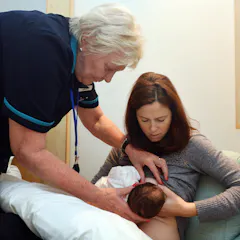
The most common complaint is conflicting advice, as well as staff who are “bossy, judgemental and inaccessible” and who undermine women’s confidence.
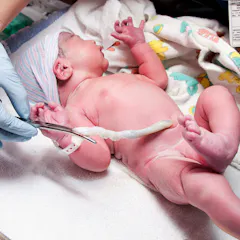
One of the most common surgical procedures undertaken in the world today – one that every human alive has undergone – is the clamping and cutting of the umbilical cord at birth.

The shortage of donated organs means that for many in need of a life-saving transplant the only thing to do is wait, sometimes so long that the patient becomes too ill to undergo the operation. But much…
Top contributors
-

Professor of Midwifery, Associate Dean Research and HDR, Midwifery Discipline Leader, Western Sydney University
-
Senior Lecturer in Children's Nursing, University of Hertfordshire
-
Professor of Gut Microbiology, UNSW
-
Professor and Matthew Flinders Fellow, Flinders University
-
Prematurity Clinical research fellow, Imperial College London
-
Manager, Centre for Genome-Enabled Biology & Medicine, University of Aberdeen
-
Professor in Breastfeeding Research, La Trobe University
-
Assistant Professor of Obstetrics and Gynecology, University of Miami
-
Professor of Midwifery, Western Sydney University
-
Senior Teaching Fellow, University of Warwick
-
Professor of Obstetrics and Gynaecology, The University of Melbourne
-
Honorary Clinical Associate Professor, University of Glasgow
-
Lecturer in Midwifery, Western Sydney University
-
Research Associate in Neuro, Physiology & Pharmacology, UCL
-
Trial Co-ordinator, La Trobe University