
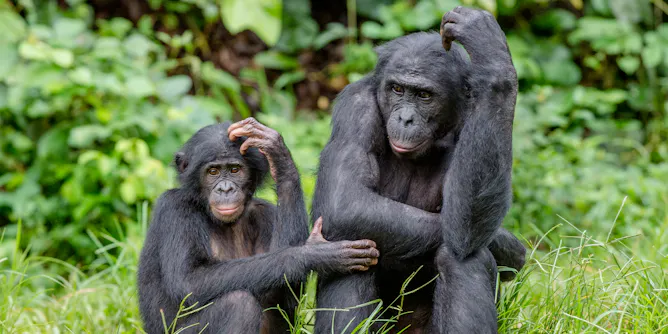
Scientists say humans are pretty similar to chimpanzees, gorillas and orangutans. So why don’t we have fur like they do?
Articles on Nature
Displaying 321 - 340 of 382 articles

On Black Friday, November 24, outdoor retailer REI will close its stores and urge customers to #OptOutside. But a historian calls this popular campaign light green environmentalism at best.
It’s as if Socrates’ remark that ‘the trees teach me nothing’ is very much still the attitude today.
Faecal transplants and virtual nature are technological solutions to ‘nature deficit disorder’ from urban living. Such ‘quick fixes’ offer some benefits, but are no substitute for the real thing.
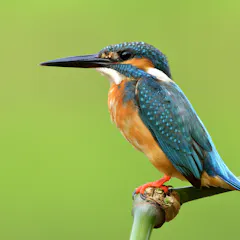
From kingfishers to dandelion seeds and bone tissue, natural organisms are the source of many radical human innovations in technology and medicine.

To the recently deceased playwright, the nation’s greatest tragedy was its move from an agricultural society to an urban, industrial one.
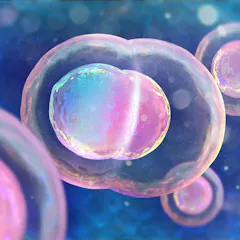
A world first study shows CRISPR can remove a target gene from early stage human embryos. But with the advance in science come weighty ethical dilemmas.
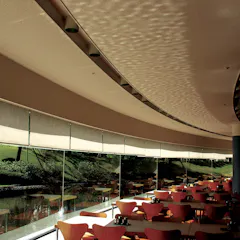
Research shows that bringing nature indoors, in the form of movement created by light, wind and water, makes occupants calmer and more productive. It also could promote interest in sustainable design.
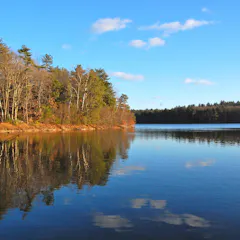
Henry David Thoreau might appear to be very ill-adapted for the modern West – but his writing contains some striking lessons for the modern world.
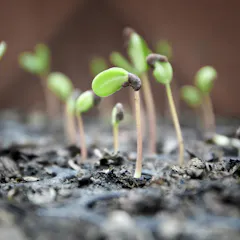
A seed contains nearly everything a tree needs to get growing. Just add a dash of water, a bit of warmth and the right location, and you’ll be seeing green in no time.
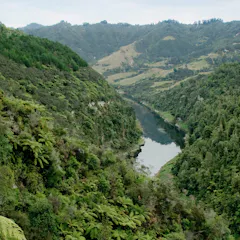
New Zealand just conferred personhood upon the Whanganui River, giving it standing to legally defend its rights. Can this novel strategy save the environment?
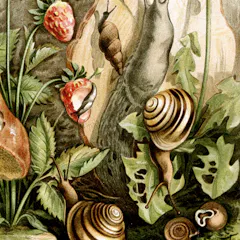
Before we decide to eradicate or control an invasive species, like carp, we need plenty of scientific evidence and independent assessments first.
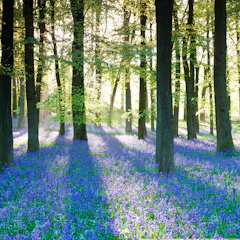
They’re not just a pretty spring sight – behind the scenes, bluebells are ruthless competitors.
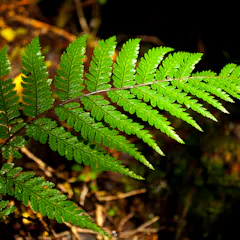
Fractals are patterns that repeat at increasingly fine magnifications. They turn up in the natural world and in artists’ work. Research suggests they contribute to making something aesthetically appealing.
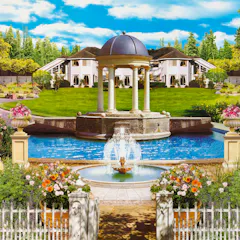
The pastiche-style poster art ubiquitous in Egyptian houses and businesses reveals how locals imagine far-off landscapes, idealise nature and define beauty.
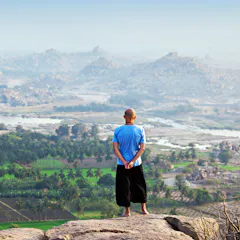
We need environmentally-adjusted measures that don’t just focus on material goods.

Exposure to nature plays a positive role in brain development by providing children with opportunities to take risks, discover new things, and be creative.
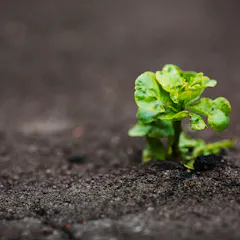
The natural world favours resilience over efficiency – so why don’t humans?
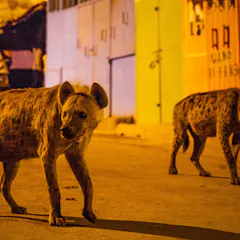
Rather than opting for an apocalyptic rhetoric or messages of fear, Planet Earth employs a ‘positive’ narrative that can generate a bigger impact.
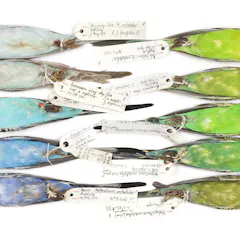
The way humans see and engage with the natural world is anything but natural.
Top contributors
-

Principal Lecturer in Psychology, University of Brighton
-
Professor in Wildlife Ecology and Conservation, School of Life & Environmental Sciences, Deakin University
-
Professor of Applied Ecology, University of Reading
-
Professor, Urban Ecology and Biodiversity, The University of Melbourne; RMIT University
-
Visiting Fellow, The Media School, Bournemouth University
-
Professor, School of Life and Environmental Sciences, University of Sydney
-
Postdoctoral Research Associate at the School of Biosciences, Cardiff University
-
Principal Lecturer in Wildlife Conservation, Nottingham Trent University
-
Adjunct assistant professor, North Carolina State University
-
Professor of the Psychology of Time, Liverpool John Moores University
-
Assistant Director of the University Museum of Zoology, Cambridge, University of Cambridge
-
Professor of Architecture, University of Hawaii
-
Honorary Associate Professor, Forest Measurement and Management, Fenner School of Environment and Society, Australian National University
-
Senior Lecturer in Applied Mathematics, Cardiff University
-
Professor of Global Politics and Director of UCL Global Governance Institute, UCL