
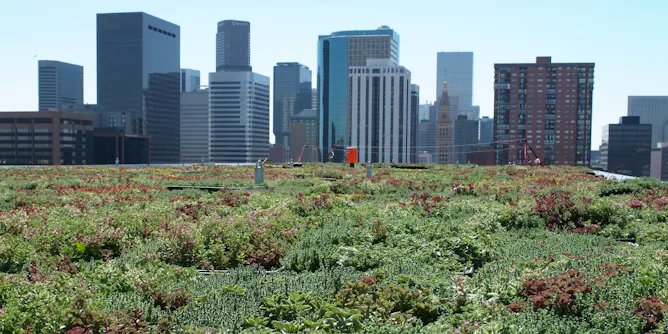
From happier and healthier residents to more resilient buildings – green roofs offer significant benefits to cities.
Articles on Nature
Displaying 281 - 300 of 382 articles
Images of wildfires are powerful, but can make climate catastrophe seem like something spectacular and distant. So some artists are focusing on the plants and bugs in our immediate surroundings.
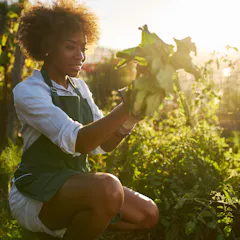
How gardening can make you happier and healthier.
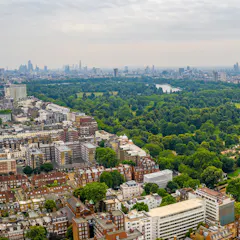
The values of a national park, translated to an urban context, to make life better for local people.
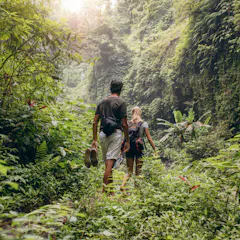
For people who aren’t able to spend time in nature every day, exposure to virtual natural environments could be an effective way of improving psychological well-being.
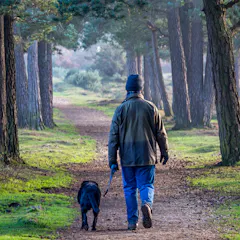
New research tracked 20,000 people to figure out the ideal ‘weekly dose’ of nature.
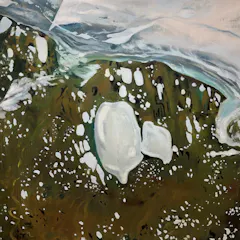
What do earthquakes, wealthy Italian families and your circulatory system have in common? Scientists use fractals, self-similarity and power laws to translate from local to global scales.
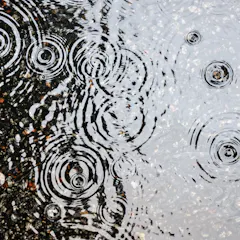
Why does the impact of rain in a puddle look different from when it falls elsewhere, like in a lake or the ocean? A ‘puddle equation’ dives deep into the secret math of ripples.
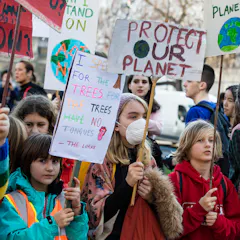
The current system drives social injustice and environmental destruction, a new approach to address both is called for.
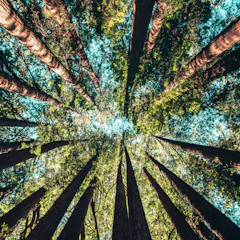
In a growing world with an increasing population with ever-greater needs, it is high time to find a balanced solution for our activities. Nature provides us with the template.

Summer camps – long the stuff of American lore – can teach kids important life lessons as they have some fun along the way. Two experts on summer camp offer insight into what those lessons are.
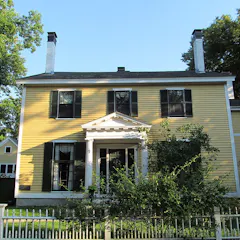
Many people associate Henry David Thoreau with solitude in the outdoors. But Thoreau understood in the mid-1800s that there was no such thing as nature separate from humans.
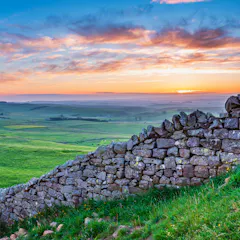
Approximately 50% of the UK’s poorest people live over 15 miles from a national park and most people require transport to get to them.

Our fear of spiders is driven by a lack of information, but these fascinating creatures are often more harmless than harmful.
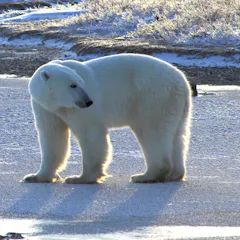
When species are threatened, we lose more than just biodiversity.
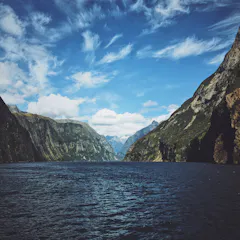
When I was little, geologists worked out Earth’s surface was made of pieces, like a giant puzzle. Those pieces, called “tectonic plates”, move and bump into each other and mountains form.
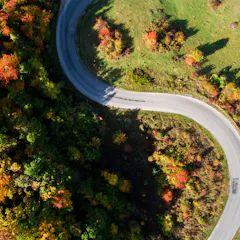
Valuing nature is hardly natural.

Moves to connect people with nature for both the conservation and health benefits point to the need for people to experience nature as they find it in the city, rather than only out in natural areas.
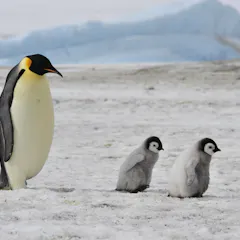
If animals are dying from a human-induced threat, then surely we have a responsibility to help them.
It can actually be very tricky to define a species, but in the 1900s, scientists found a pretty good way.
Top contributors
-

Principal Lecturer in Psychology, University of Brighton
-
Professor in Wildlife Ecology and Conservation, School of Life & Environmental Sciences, Deakin University
-
Professor of Applied Ecology, University of Reading
-
Professor, Urban Ecology and Biodiversity, The University of Melbourne; RMIT University
-
Visiting Fellow, The Media School, Bournemouth University
-
Professor, School of Life and Environmental Sciences, University of Sydney
-
Postdoctoral Research Associate at the School of Biosciences, Cardiff University
-
Principal Lecturer in Wildlife Conservation, Nottingham Trent University
-
Adjunct assistant professor, North Carolina State University
-
Professor of the Psychology of Time, Liverpool John Moores University
-
Assistant Director of the University Museum of Zoology, Cambridge, University of Cambridge
-
Professor of Architecture, University of Hawaii
-
Honorary Associate Professor, Forest Measurement and Management, Fenner School of Environment and Society, Australian National University
-
Senior Lecturer in Applied Mathematics, Cardiff University
-
Professor of Global Politics and Director of UCL Global Governance Institute, UCL