
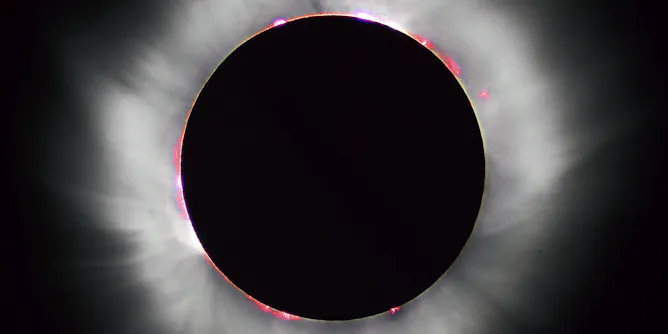
What’s the most impressive natural phenomenon known to humankind? Probably a solar eclipse! Here’s a brief overview ahead of this summer’s big celestial event.
Articles on Myths and legends
Displaying 1 - 20 of 25 articles
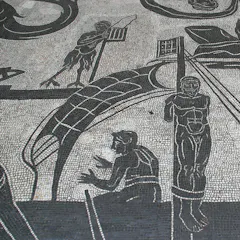
Preserved in the margins of ancient literary works are notes that reveal how the Greeks strove to map mythical places onto locations in the known world.
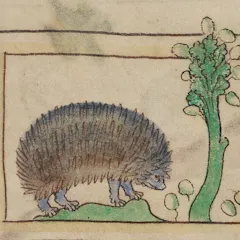
In the past British people believed hedgehogs could cause harm and damage livestock, and even that witches could transform into them.
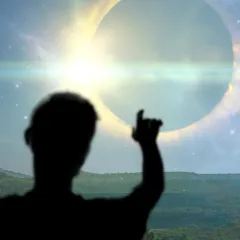
Eclipses have inspired myths, predictions and scientific discoveries. The total solar eclipse occurring on April 8 provides a once-in-a-lifetime opportunity to engage with science and the cosmos.

Each rainbow is personal – the rainbow you see isn’t exactly the same rainbow the next person sees. It’s all in the eye of the beholder.
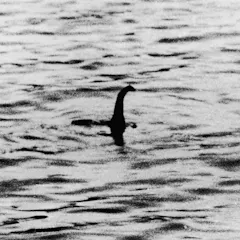
The idea of a creature like the Loch Ness monster fascinates people. But does the scientific evidence say it’s a prehistoric beast or total fake?
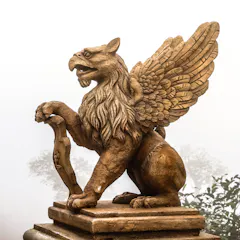
People tell tales to explain what they see – centuries later, scientists try to map handed-down myths onto real geological events.
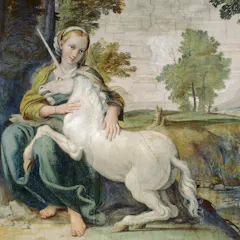
Unicorns are a staple of social media. Today we might think of them as all magic and rainbows, but their past is one of ferocious beasts, religion, and mistranslation.

The original origins of some key characters names might give hints to their fates in Game of Thrones.
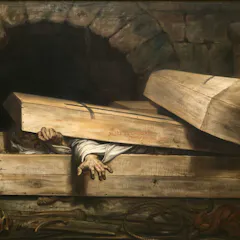
New research is uncovering medieval legends about the undead in Britain.
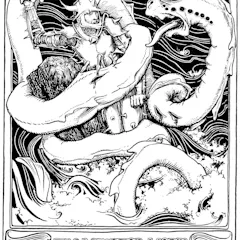
A monstrous worm that features in English mythology shares remarkable similarities with the watery serpents of Indigenous stories.
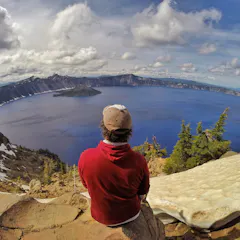
Old stories from around the world tell of drowned islands, volcanic eruptions and upheavals to the land around them. Increasingly we are realising these tales preserve actual memory, often from thousands of years ago.
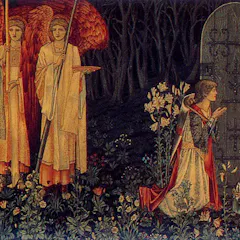
Is the Grail the chalice from the Last Supper – or the Crucifixion? Does it contain the elixir of life? Or is it Mary Magdalene’s womb?
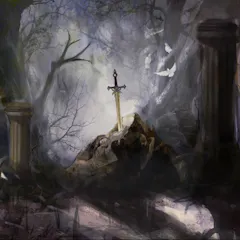
Historic heroes like King Arthur have helped audiences through the ages to cope with troubling times.

New research suggests a mythical flood in China really happened about 4,000 years ago. It’s the latest case of scientists matching ancient tales to actual local natural disasters.
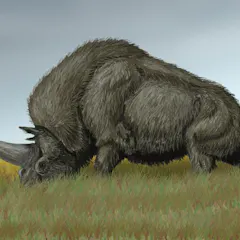
Fantasy often meets reality when we try to find explanations for mythological creatures.
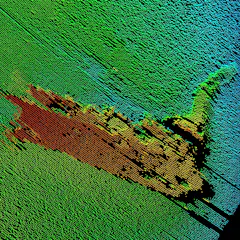
The hunt for ‘Nessie’ has been going on for decades but there’s a good reason why nothing has been found.
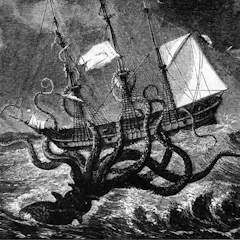
The myth of a monstrous giant squid prowling the oceans has persisted for centuries but scientists have been able to reveal the truth behind the stories.
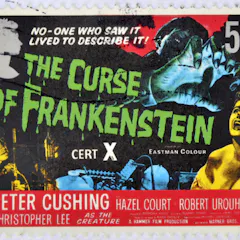
Critics of controversial science like GMOs and cloning often invoke the myth of Frankenstein to highlight the dangers of new technology. But these critics may overlook the moral of Shelley’s story.
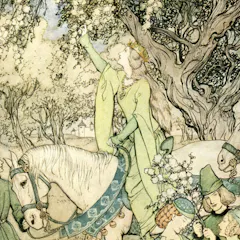
We just can’t have enough of all things Arthurian – the legend and its many possible permutations never cease to fascinate.
Top contributors
-

Professor of Medieval Literature and English Literature, Bangor University
-
Lecturer in Landscape Archaeology, University of Wales Trinity Saint David
-
Professor in Screen Media and Creative Arts, Macquarie University
-
Professor of Earth and Space Sciences, University of Washington
-
Lecturer in Classical Studies, The Open University
-
Assistant Professor of Religion, James Madison University
-
Emeritus professor of biology, UCL
-
Professor of Greek Culture, University of Leeds
-
Professor in Medieval Literature and Publishing, University of Bristol
-
Research Associate in Evolutionary Biology, Adelaide University
-
Curator of Invertebrates, Museum of New Zealand Te Papa Tongarewa
-
Professor of Geography, School of Law and Society, University of the Sunshine Coast
-
Assistant Director of the Global Systems Institute, University of Exeter
-
Academic, The University of Queensland
-
Lecturer in Medieval History, Cardiff University