

The human avian flu case in B.C. demonstrates there is much to learn about the complex factors that may result in a virus developing the ability to infect humans.
Articles on Mutation
Displaying 1 - 20 of 24 articles
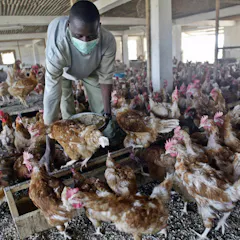
People should minimise contact with birds in areas affected by bird flu viruses, including farms and settings where live animals may be sold or slaughtered.
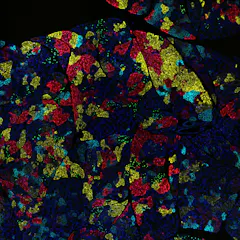
There is no one-size-fits-all approach to treating cancer. Understanding how cancer cells evolve could help researchers develop more effective drugs.

Tumors contain thousands of genetic changes, but only a few are actually cancer-causing. A quicker way to identify these driver mutations could lead to more targeted cancer treatments.
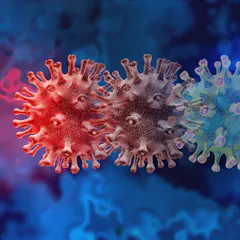
It’s hard to keep up. But new Omicron sub-variants are emerging that may lead to reinfections and another spike in cases.
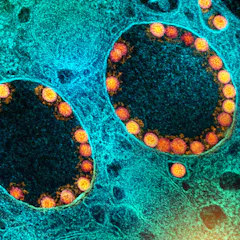
COVID-19 variants are the products of the evolution of the SARS-CoV-2 virus. They arise via mutations, but other forces also have roles to play in the generation and transmission of variants.
One of the ways the Omicron variant is different from other variants is the sheer number of mutations in the spike protein. Does this make it a super-variant?

After a nose swab tests positive for a virus or bacteria, scientists can use the sample’s genetic sequence to figure out where and when the pathogen emerged and how fast it’s changing.
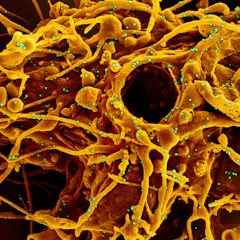
Variants of the original SARS-CoV-2 are now in wide circulation. That means the third wave of COVID-19 has come with new questions about the variants, their effects and what might come next.

The science behind today’s petition to pardon Kathleen Folbigg has been peer reviewed. Here’s what it says.
Even those that live in areas where the population has already been vaccinated would not be totally protected if the virus mutates elsewhere.
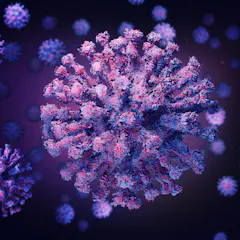
In the context of COVID-19, we’re hearing about new mutations, strains and variants all the time. It’s no wonder it can all get a bit confusing.
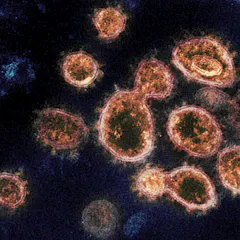
These variants are definitely cause for concern. But there’s every indication we can adapt our vaccine strategy to combat these and other variants going forward.
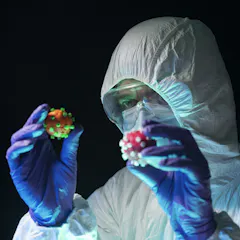
The virus is evolving and new strains are more transmissible. Will the vaccines work against these new variants? How can researchers stay ahead of the virus’s evolution?

The UK government has claimed the new British variant of the coronavirus may be 30% more deadly.

Multiple COVID-19 variants are circulating around the world and becoming more common. These mutations can alter the ability of the virus to take hold and replicate within our cells.
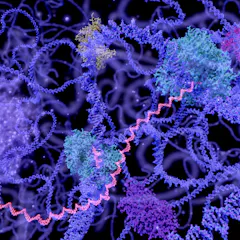
A biologist who studies the evolution of diseases explains what’s different about the two new virus strains that have been found recently, and what that means for vaccine effectiveness.
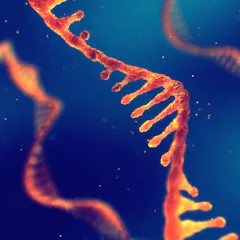
Compared with other RNA viruses, the coronavirus is actually quite stable. So don’t believe the scary headlines about the ‘mutant coronavirus’.

Amyotrophic lateral sclerosis, Lou Gehrig’s disease, is a crippling, progressive neurodegenerative disease for which there is no cure. Now it seems that a diabetes drug may help some cases.
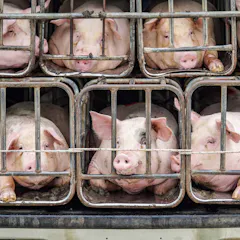
It’s excellent this virus has been found early, but there is no evidence yet of human-to-human transmission.
Top contributors
-

Professor, Biology, York University, Canada
-
Associate Professor of Pathology, Penn State
-
Associate Professor of Hematology and Oncology, Penn State
-
Post-doctoral scholar; Scientific Consultant, University of California, Berkeley
-
Assistant Professor of Biology, Penn State
-
PhD Student in Computational Evolution, ETH Zurich
-
Killam University Professor in Evolutionary Biology, University of British Columbia
-
Genomic Epidemiologist, University of Sydney
-
Cornelius Vanderbilt Chair in Biological Sciences, Professor of Biological Sciences and Biomedical Informatics, and Director of the Vanderbilt Evolutionary Studies Initiative, Vanderbilt University
-
Principal Research Fellow, University of Sydney
-
Postdocotoral Research Fellow in Molecular Virology, Queen's University Belfast
-
Adjunct Professor, Interfacluty Program in Public Health, Schulich School of Medicine and Dentistry, Western University, Western University
-
Professor of Veterinary Microbiology, University of Ibadan
-
MB BS Phase 1 Lead & Senior Lecturer in Medicine and Molecular Genetics, University of York
-
Microbiologist, Griffith University