
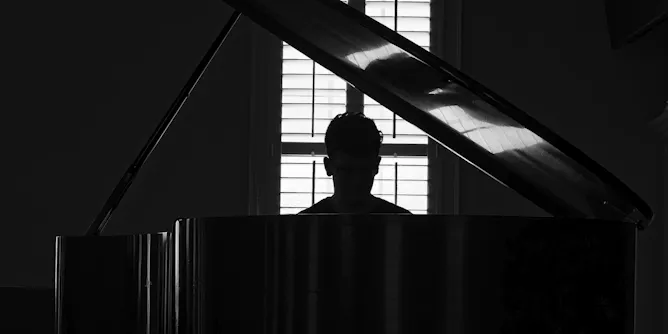
Not even the #MeToo movement and a reckoning with sexual abuse could rupture the sound-proof walls of South African classical music.
Articles on Music education
Displaying 1 - 20 of 49 articles

Composer Quincy Jones, who died in November 2024, was a titan of 20th-century American music. So why don’t music majors study his work?
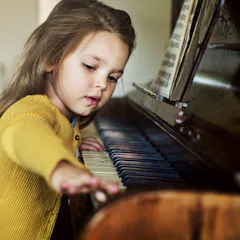
When it comes to starting lessons, research says ‘the sooner the better’. But pinpointing a precise age depends on a range of factors.
Music can provide incarcerated youth with opportunities to build confidence, engage with learning, develop social skills, and and redefine themselves from young offenders to young artists.
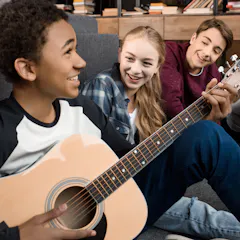
Informal learning is linked with increased numbers of students choosing music at GCSE.
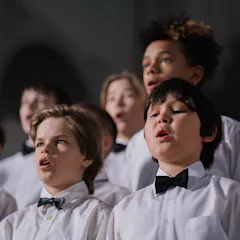
While we want to support our loved ones’ extracurricular activities, perhaps you secretly curse sitting through yet another concert or carols sing-along.
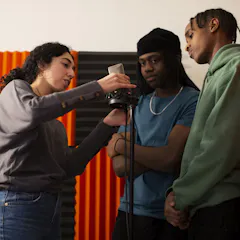
Modern music education is giving students more and more opportunities to create their own tracks.
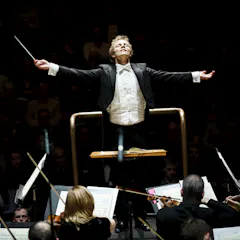
The genre has long been viewed as too exclusive, too expensive and too stuffy. Thanks to video games, that’s starting to change.
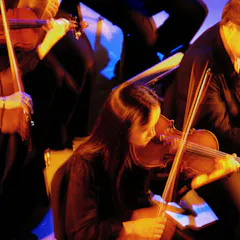
The country’s creative and critical music culture will be substantially diminished if the university funding crisis hits any harder.

The predominantly white European field of music education in the US is changing radically these days as schools confront anti-Black histories.
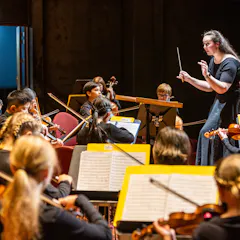
A new study shows how teamwork, empathy and grit – all components of resilience – can be developed through group music making.
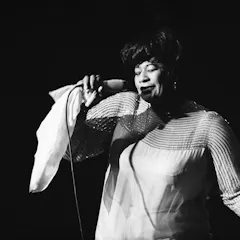
Few educators realise one decision in 1975 about notating standards cemented a practice excluding women.
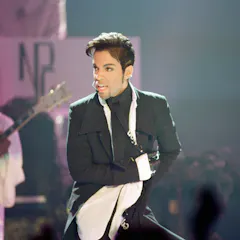
Music education in Minneapolis public schools stood out as one of the best and gave rise to the city’s music scene that helped propel Prince to fame, a scholar writes.
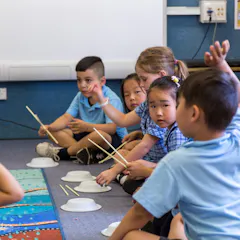
We studied an innovative mentorship program that pairs specialist music teachers with early childhood educators to bring quality music programs into schools.
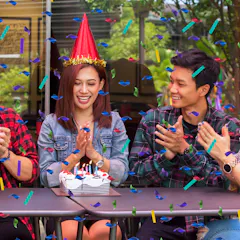
Music learning happens consciously and subconsciously. And even in the absence of education or training, we all have some degree of musical literacy.
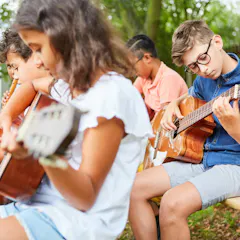
Research shows the brain processes language as if it’s music, which helps explain the link between music education and gains in literacy. Unfortunately, not all states have heeded the evidence.
From incorporating video-based performances to learning new composition apps, teaching students virtually has forced music educators to learn and share new ways to reach students.
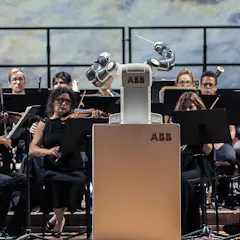
Machines have been getting better at mimicking improvisation. But can this distinctly human process serve as a bulwark against the mechanization of life and art?

The classical music scene in Canada is shaped by histories and hierarchies that reinforce racism and cultural appropriation. Black classical musicians are calling for systemic change.
The recent furor from senior academics in response to a public lecture about the whiteness of music education reflects a longstanding race problem in music — it’s time to address this.
Top contributors
-

Professor of Music, Australian Catholic University
-
Lecturer in Musicology, Dan School of Drama & Music, Queen's University, Ontario
-
Professor and Head of Creative Arts and Music Therapy Research Unit; Director of Researcher Development Unit, The University of Melbourne
-
Principal Fellow and Professor of Music, The University of Melbourne
-
Associate Professor at the School of Social Transformation, Arizona State University
-
Professor of Music Theory, Hunter College
-
Adjunct assistant professor, University of Canberra
-
Associate Professor of Music Education, Public Voices Fellow, DePaul University
-
Senior Research Associate, USC Dornsife College of Letters, Arts and Sciences
-
Professor of Culture and Communication, University of Leicester
-
Professor of Music Education, Northwestern University
-
Professor of Education Research, School of Education, University of Birmingham
-
Professor, School of Education, Thompson Rivers University
-
Professor of Music, Culture and Society, City St George's, University of London
-
NRF Accredited & Senior Researcher; Lead Coordinator of the South-South Educational Collaboration & Knowlede Interchange Initiative, Cape Peninsula University of Technology