
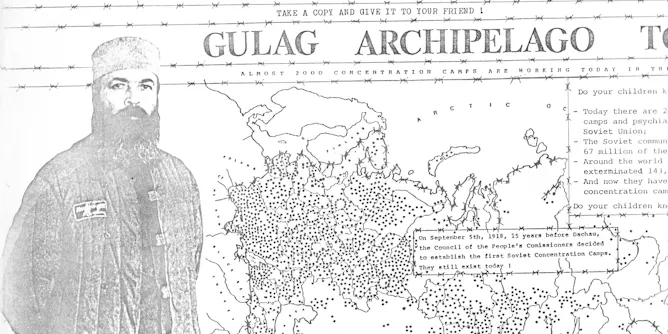
Performances of prison life are commonplace nowadays in gulag museums. Visitors can vividly imagine it all – the tears, pain and despair.
Articles on Museums
Displaying 181 - 200 of 308 articles

Libraries, archives, museums and galleries have finally been included in South Africa’s contested new proposed copyright bill.
Away from the state capitals, small museums are out of step with big city curators - presenting tourists with stories that give a blinkered view of local history.
New multisensory approaches to presenting visual art propose solutions to barriers that limit access for marginalized audiences.
Looking back at Lviv’s Soviet past, there are clues about how to preserve history for everyone – not just the affluent.
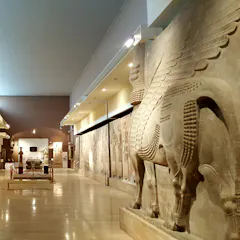
Ennigaldi-Nanna is largely unknown in the modern day. But in 530BC, this Mesopotamian priestess worked to arrange and label various artefacts in the world’s first museum.
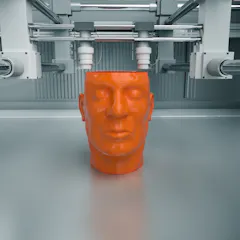
Museums are experimenting with 3D printed replicas of artefacts – meaning that the public can get closer to cultural heritage than ever.

There are limits to what charities can do now about past donors who are accused of morally reprehensible behavior.
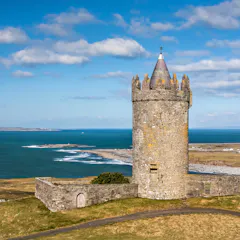
A swift response from the heritage community prevented damage to sites of national heritage.
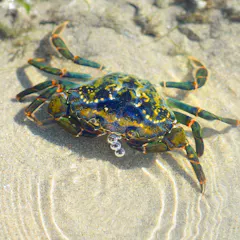
Citizen science game offered clues to why shore crabs get greener as they grow.

Museums’ collections are a priceless resource for scientists, but they’re not easy to access. Digitizing specimens – like the 700 bat skulls the author studied – is a way to let everyone in.
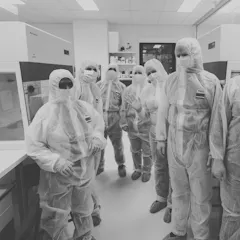
Museums around the world hold remains of Aboriginal people that were often taken without permission and in the absence of accurate records. New DNA methods may help return these items to country.

The Otobo remains an ancient symbol of democracy; it almost certainly helped to shape Nigeria’s modern democracy in some ways.
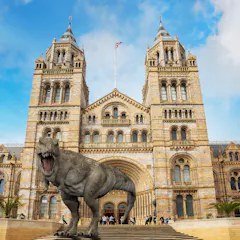
Our attempt to bring dinosaurs to life via a smartphone app was met with excitement – then it hit a brick wall.
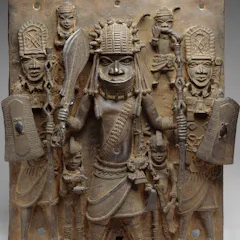
Colonial powers plundered the heritage of countries all over the world – restitution is long overdue.
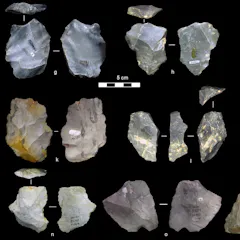
A fresh look at museum artifacts fills in a gap in the Asian archaeological record and refutes the idea that an advanced technique was imported from the West by early modern humans.
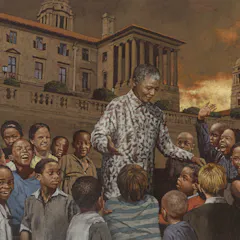
The desire to eulogise, as often appears to be the case in this exhibition, does not allow space for questions that might allow for a fuller explication of the nature of Mandela’s legacy and its relevance beyond South Africa.

A tiny percentage of museums’ natural history holdings are on display. Very little of these vast archives is digitized and available online. But museums are working to change that.

Through his art and his travels, 19th-century French Romantic painter Eugène Delacroix sought to understand the chaos of an era he called ‘the century of unbelievable things.’
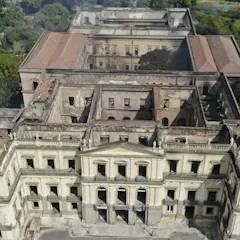
It’s a comforting falsehood that once an artifact joins a museum’s collection, it’s safe for eternity. Museums face many foes in the fight to preserve – a lack of funds might be the biggest.
Top contributors
-

Professor of Public Humanities and Director of the ANU Humanities Research Centre, Australian National University
-
Assistant Director of the University Museum of Zoology, Cambridge, University of Cambridge
-
Ruth Coulter Heede Professor of Art History, Case Western Reserve University
-
Honorary Professor, Edith Cowan University
-
Professeur de Marketing, EDHEC Business School
-
Associate Research Professor of Anthropology, University of Colorado Denver
-
Lecturer, The University of Queensland
-
Associate Professor in Ancient History, Macquarie University
-
Eminent Scholar and Professor of Economics Emeritus, Auburn University
-
Postdoctoral research fellow, RMIT University
-
Director, Centre for Cultural Materials Conservation, The University of Melbourne
-
Lecturer, University of Glasgow; University of Nigeria
-
Lecturer in School of Art History and Art Education, UNSW
-
Senior Lecturer School of Art History and Art Education, UNSW
-
Senior Curator of Australian and First Nations Art, National Gallery of Victoria, The University of Melbourne