
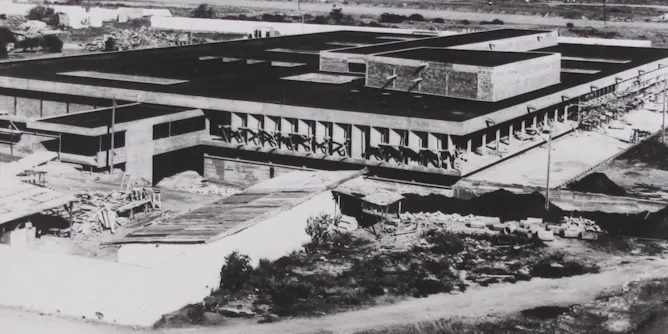
Portugal used radio propaganda in its colonies in the 1960s against local liberation movements. Decades later there are still lessons to be learned for occupying armies from their failed strategies.
Articles on Mozambique
Displaying 181 - 200 of 205 articles
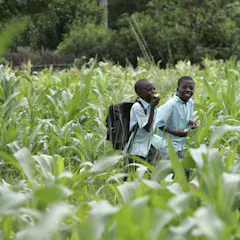
Official statistics in Tanzania do not capture small-scale irrigation, meaning that it’s impact is unclear. Yet new research reveals that it’s two to three times greater than previously thought
The main sticking point in the failed efforts at peace is the demand by Renamo that it be allowed to appoint provincial governors in the provinces where it claims to have won an electoral majority.
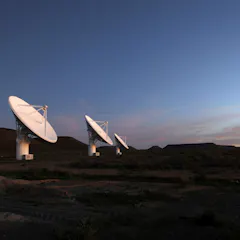
Very few African universities offer postgraduate degrees in astronomy. This gap in knowledge and training can be addressed through international partnerships and collaboration.
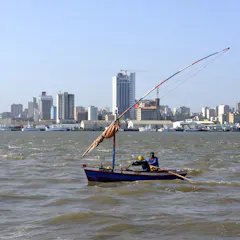
A deal intended to help southern African countries develop could instead turn them into an EU dumping ground for cheap goods.
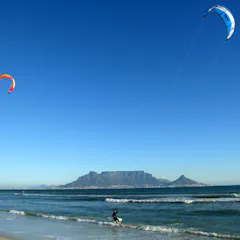
South Africa’s weather is very attractive to international visitors. Climate change could alter their perceptions unless mitigation strategies are put in place.

It’s important to create spaces where the global South’s problems can be presented, debated and solutions developed - including some that can be applied in similar economies.
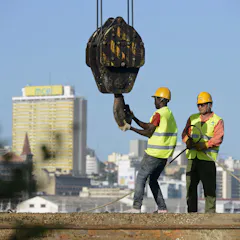
Mozambique has made significant progress in its fight against poverty despite recent economic and political challenges
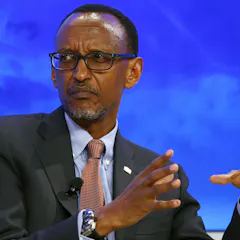
To improve, African countries need to find a balance between political and economic matters. This is where leadership becomes particularly important. But this is currently lacking on the continent.

Increasing legume production can turn the tide for African farmers who struggle with poor soils, declining farm yields and worsening nutrition in one fell swoop
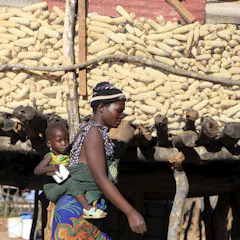
Economic growth alone won’t end hunger. Good policies and programmes are needed, too. Scientists and researchers have a role to play in these initiatives.
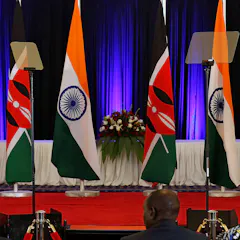
Narendra Modi’s first trip to Africa has widely been heralded as a success, but his brand of diplomacy has left the most pressing issues for the continent unaddressed.
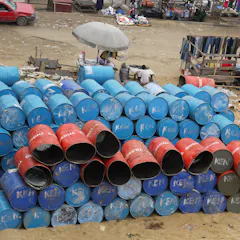
It is important to nurture local companies and increase domestic participation in Africa’s emerging oil economies.

Mozambican civilians are again bearing the consequences of war between the government and opposition party Renamo. How has Renamo mobilised popular support for a new uprising?

It’s important to interrogate the key factors that pushed countries from Third World to First World status in the 20th century. Asia’s experiences hold many lessons for Africa.
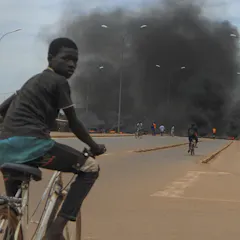
Grassroots protesters are questioning the logic of export-led ‘growth’ and renewed fiscal austerity pushed through the ‘Africa rising’ narrative. They want policies that meet their basic needs.
Mozambique returns to the limelight following controversy over its external debt. How can the country contain this situation and avoid a downward spiral?
It is normal for resistance movements to adopt rough survival strategies and techniques while fighting an oppressive regime. Unfortunately that culture takes root and is permanently nurtured.
Economic growth forecasts for Mozambique are being revised down. The country needs to safeguard economic stability by taking steps to break with the past.

Lula led an unprecedented shift in the country’s foreign policy towards the global South. He also helped elevate Brazil to the status of a global player. But, six years on, disillusionment reigns.
Top contributors
-

Senior Research Fellow, World Institute for Development Economics Research (UNU-WIDER), United Nations University
-
Professor of Physical Geography, University of the Witwatersrand
-
Professor at the PhD Course in Peace, Democracy, Social Movements and Human Development, Universidade Técnica de Moçambique (UDM)
-
Professor of African history, Queen's University Belfast
-
Professor of Political Science, Department of Political Studies and Governance, University of the Free State
-
Senior Director, Transformation Strategies Department, International Food Policy Research Institute (IFPRI), CGIAR
-
Research Fellow, World Institute for Development Economics Research (UNU-WIDER), United Nations University
-
Senior lecturer, Stellenbosch University
-
Lecturer, Lúrio University
-
Director of the Gothenburg Global Biodiversity Centre, University of Gothenburg
-
Professor of International Human Rights Law, Centre for Human Rights, and acting SARChI Chair in International Constitutional Law, University of Pretoria
-
Editor-in-Chief of the South African Journal of Science and Consultant, Vice Principal for Research and Graduate Education, University of Pretoria
-
Senior Lecturer in Human Geography and Environmental Studies, University of York
-
Professor of International Politics, SOAS, University of London
-
Research Coordinator, Security Institute for Governance and Leadership in Africa, Stellenbosch University