
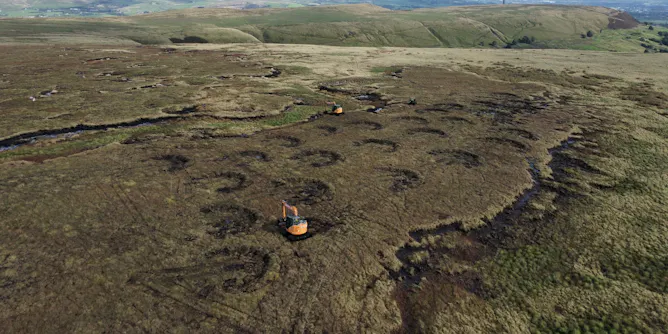
A new project is transforming badly affected peatlands from dark moonscapes to vibrant green moss-scapes.
Articles on Mosses
Displaying all articles

The moss beds in Antarctica are like miniature forests – they create their own climate.

Only fragments of Britain’s “temperate rainforest” remain – here’s some tips to help you identify one when you come across it.
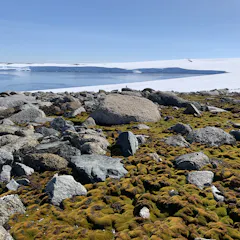
It was the trip of a lifetime for an Australian research team studying moss in Antarctica. After two months at Casey Station they returned with great videos and loads of data for further analysis.
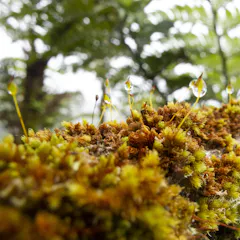
Take a moment to consider the natural beauty of mosses – and their history as some of the most intrepid explorers in Earth’s history.
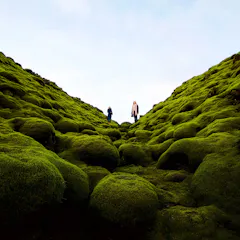
Data from 123 sites across all continents, including Antarctica, show mosses affect all major soil functions critical for sustaining life on Earth.

New research shows that northern peatlands may not help regulate our climate by the end of the century.

Glacier mice aren’t rodents – they’re mysterious balls of moss that manage to live in one of the world’s harshest environments.
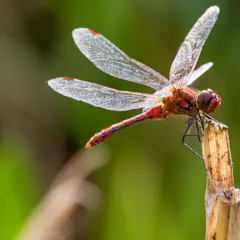
While many surveys show the numbers of wildlife falling, there is good news for some species – including pondskaters and various mosses and lichen.
The moss that grows in pavement cracks and on the edge of basketball courts in every town and city in Australia has a secret superpower.
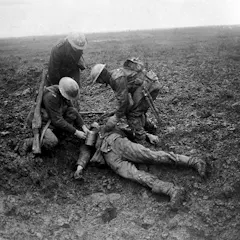
Sphagnum moss made ideal field dressings for wounded soldiers.

Mosses are the only plants that can withstand life in East Antarctica’s frozen landscape. But a new study shows that life is getting even harder, as ozone loss and climate change make conditions even drier.
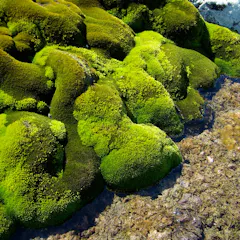
Mosses are sensitive to even minor changes in their living conditions, and scientists traditionally tramped through difficult terrain to collect data on them.
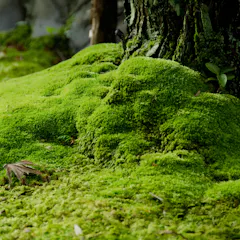
In a country known for its eccentric tastes, is this simply another flash-in-the-pan fad?
Mosses and lichens have the ability to accumulate and retain air pollutants.
Top contributors
-

Australian Laureate Fellow, Distinguished Professor, Deputy Director of ARC Securing Antarctica's Environmental Future (SAEF), University of Wollongong
-
Postdoctoral Research Fellow, School of Earth, Atmospheric and Life Sciences, University of Wollongong
-
Senior Instructor of Japanese, University of South Florida
-
Postdoctoral research fellow, iThemba LABS
-
Instructor of Japanese, University of South Florida
-
Head of Environmental and Conservation Research, Sustainability Research Institute, University of East London
-
Researcher in Remote Sensing of Vegetation, University of Tasmania
-
Associate Professor in Remote Sensing, University of Tasmania
-
Lecturer in Physical Geography, Nottingham Trent University
-
Professor of Forest Sciences, Bangor University
-
Professor in Plant-Soil Processes, University of Sheffield
-
Ecosystem ecologist, Spanish National Research Council, Consejo Superior de Investigaciones Científicas (CSIC)
-
Project Manager, Swedish University of Agricultural Sciences
-
Assistant professor, Resource and Environmental Management, Simon Fraser University
-
Professor of Computational Conservation, Auckland University of Technology