

A report released today by the world’s largest technical professional organisation is designed to help humanity avoid a robot apocalypse.
Articles on Morality
Displaying 121 - 140 of 194 articles

Speaking with: Emrys Westacott on the virtue of frugal living
CC BY-ND32.9 MB (download)
William Isdale speaks with Emrys Westacott about how living simply can bring happiness in an increasingly complex world.
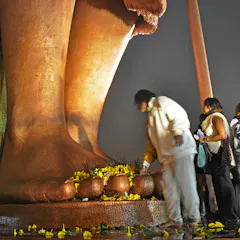
All the world’s major religions are concerned with moral behavior. But research shows little evidence that religious people are more ethical than atheists.
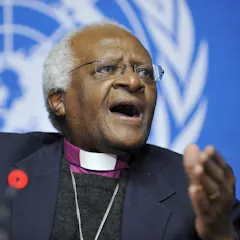
Archbishop Bishop Desmond Tutu is well known for having invoked an ubuntu ethic to evaluate South African society, and he can take substantial credit for having made the term familiar.

There is now a reputable body of research evidence from places that have introduced assisted dying, and MPs must examine that evidence before deciding how they will vote.
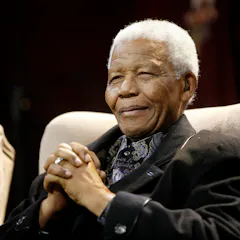
To honour the legacy of Nelson Mandela, South Africa could do with its citizens becoming more active in driving development - particularly efforts to tackle poverty an inequality.

Moral disputes are a product of independent minds with independent agendas. Thus, there is little reason to see ourselves as unbiased sources of righteousness.

Have American companies just been given the green light to deploy “edgy” branding that goes way too far?

Sometimes people like poetic justice because the law is not in a position to mete out what is deserved.
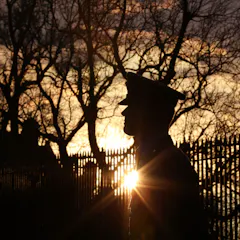
A 1915 morality play by Vernon Lee makes a powerful critique of jingoist group-think.

When it comes to politics these days, it feels like everything is ‘my way or the highway.’ What can colleges do to end this moral fundamentalism and get students listening to each other?

There is a history of mistreatment of animals in the name of art. But isn’t it about time artists made their point about human domination without themselves asserting dominance over beasts?
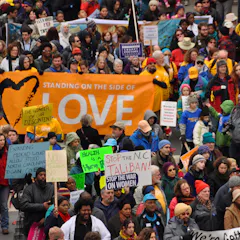
Asking people about morality and empathy may not yield sincere answers. Moral sentiments, can, indeed, be measured.
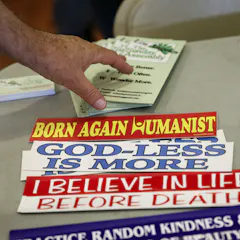
Distrust of the irreligious has been commonplace in the American political discourse from the founding.

The world may feel polarised, but most people chop and change their views.

What place does hunting have in our urbanized society? Is it acceptable to kill for fun? For conservation? Philosophy doesn’t have all the answers, but it can help us understand opposing views.

The world needs great leaders who thrive on making a positive difference to people’s lives and not on festering fear and war mongering.
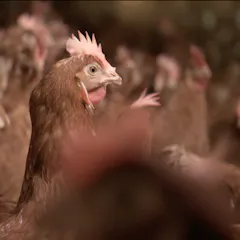
Voters in Massachusetts passed a ballot measure that assumed so. But a philosopher of animal welfare suggests the ethical issues involved are trickier than a yes/no vote would suggest.

Most of us keep tabs on other people’s wrongdoings but suffer from ‘ethical amnesia’ when it comes to our own missteps.

Sugar and saturated fat aren’t ‘evil’ and kale and avocado aren’t ‘good’.
Top contributors
-

Honorary Associate in Philosophy, University of Sydney
-
Professor of Philosophy, Public Policy and Governance, University of Washington
-
Associate Lecturer, University of Notre Dame Australia
-
Professor of Philosophy, La Trobe University
-
Senior Lecturer, Sociology, University of Tasmania
-
Lecturer in Psychology, Australian National University
-
Associate Professor of Philosophy of Education, University of Birmingham
-
Conjoint Senior Lecturer in Philosophy, University of Newcastle
-
Professor of Philosophy, Wake Forest University
-
Associate professor, Universidad Nebrija; UCL
-
Associate Professor of Global Political Economy and Development, University of Leeds
-
Professor in Philosophy, Australian Catholic University
-
Deputy Director, Institute for Ethics, Governance & Law, Griffith University
-
Professor of Philosophy, University of Pretoria
-
Profesor Asociado (Lingüística Aplicada), Universidad Nebrija