
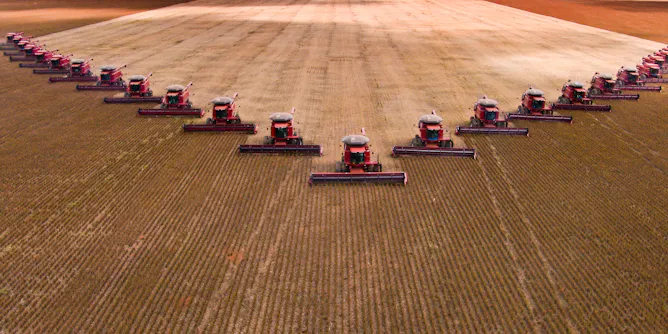
The term’s contradictory uses signal deeper worries about cultural fragmenting and algorithmic-induced flattening.
Articles on Monoculture
Displaying all articles
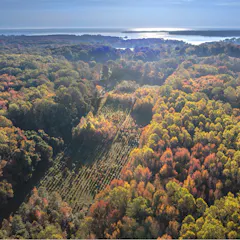
The tree mix matters. Near Chesapeake Bay, scientists have been experimenting with mini-forests for over a decade. The surprising results show how biodiversity pays off.

The purportedly unique and local feel of coffee shops has instead been homogenized into a singular, palatable aesthetic.

Coffee wilt disease has continually devastated farms around the world. Understanding the fungus’s genetics can help protect everyone’s cup of joe.
Considering how easily bird flu swept through chicken farms, it’s clear that domestication has downsides. Lessons from the past paired with modern genomic technology can help with farming insects.
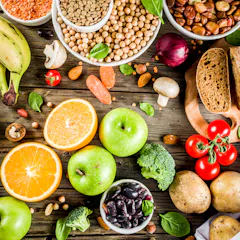
Humans rely on a very narrow selection of plant and animal food products – but more diversity could boost local and regional economies.

Fusarium oxysporum can infect over 120 plant species. Whether it destroys Cavendish bananas as it did their predecessor depends on the agricultural industry and consumers.
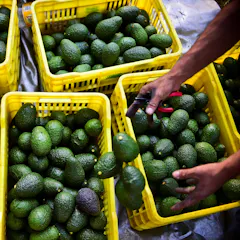
Avocados are marketed as a superfood, but growing them for an expanding world market has turned a rural Mexican state into an unsustainable monoculture.
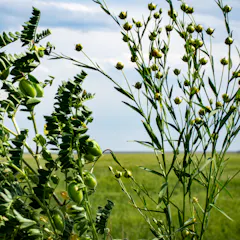
Conventional agriculture offers farmers few choices about which crops to grow or how to raise them. A new approach uses computing to construct better strategies with lower environmental impacts.
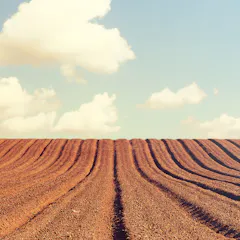
Farms have become less friendly for our insect friends – this must be reversed if we want food to eat.

The optimal trade-off between restoring habitat and crop production hinges on pollinators. A new study shows giving pollinators more natural habitat on the farm leads to big increases in production.
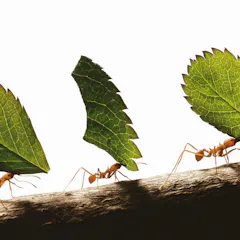
Over hundreds of million years of evolution, ants have come up with some pretty smart solutions to problems of agriculture, navigation and architecture. People could learn a thing or two.
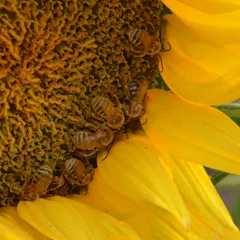
Huge single-crop fields attract bees in such numbers that they spread parasites to one another. Planting diverse mixes of flowers around fields helps spread out pollinators and keep them healthy.
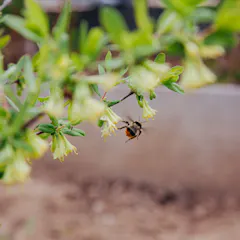
Up to 85% of the nectar available to pollinating insects in a city comes from gardens. What we plant – whether in an allotment or a window box – can make a huge difference.
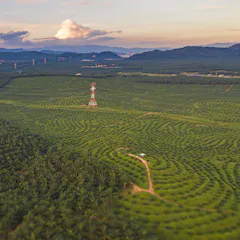
Forests provide an essential buffer between people and wildlife — and the viruses they carry. Global agriculture is destroying forests, harming biodiversity and may be putting human life at risk.
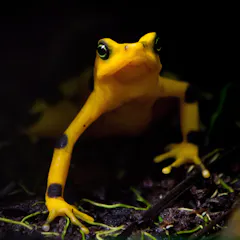
As much as one-third of animal species in the tropics could be eradicated if their habitats continue to be converted for monoculture farming. We can all do something to make a difference.
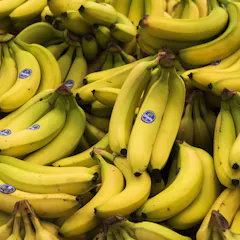
Every single Cavendish banana plant worldwide is genetically identical. This vast monoculture sets them up for disastrous disease outbreaks. But researchers have ideas on how to protect the crop.
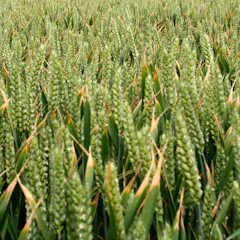
Modern agriculture is synonymous with monoculture. That lack of diversity is bad news for plants’ natural immune defenses. Researchers are figuring out how to help plants fend off microbes – without pesticides.
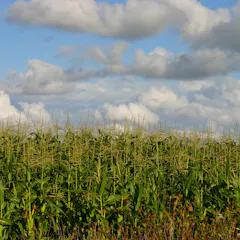
Continued use of pesticides will lower diversity of beneficial insects, costing corn farmers more money over time.
Top contributors
-

Special Professor of Phytopathology, Wageningen University
-
Researcher in Conservation Decision Science and Land Use, University of Oxford
-
Assistant Professor of Plant Pathology, University of California, Davis
-
Professor of Agriculture and Food Sciences, The University of Queensland
-
Professor of Economics, South Dakota State University
-
Ph.D. Student in the School of Plant and Environmental Science, Virginia Tech
-
Postdoctoral research fellow, The University of Melbourne
-
Senior Research Fellow, University of Reading
-
Associate Professor of Computer Science and Electrical and Computer Engineering, University of Southern California
-
Professor in the Faculty of Forestry, University of British Columbia
-
Teaching Professor of BioSciences, Rice University
-
Professor of Ecology, University of Bristol
-
Professor of Biodiversity and Ecosystem Services, University of Reading
-
Extension Agent, University of Florida
-
Research Entomologist, South Dakota State University