
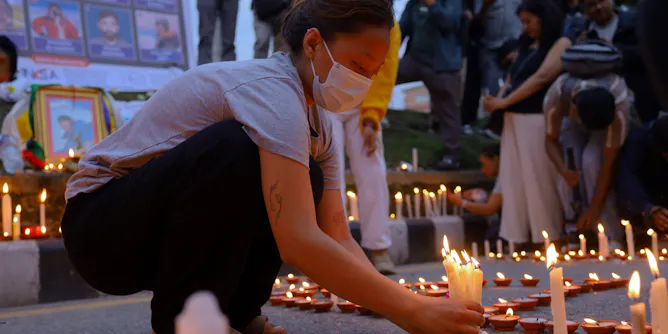
As a supporter or friend, you don’t need to have the answers, and you shouldn’t speculate. Here’s how to just be there and offer practical support.
Articles on Missing persons
Displaying all articles

Drones with the right sensors and AI analyzing the data could quickly find a person lost or stranded in the wilderness, crucial to keeping them alive.
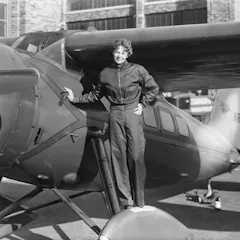
The decades-long search for Amelia Earhart, her aircraft, and her navigator Fred Noonan, has been both controversial and costly.

Cultural historian Clair Wills reflects on the secret cousin born in Bessborough Mother and Baby Home, which at one point had a morality rate of 75% – and her family’s complicity in a national tragedy.
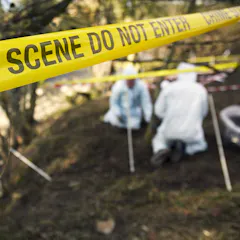
Forensic anthropologists are specialized scientists who analyze the skeletal remains of the recently deceased to help authorities figure out who the person was and what happened to them.
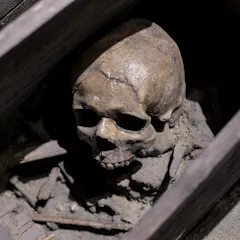
DNA volunteered by citizens worldwide is helping to restore the identity of human remains found across Australia.
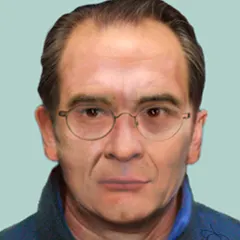
How do police forces make artificially aged images of people who have been missing for years?

With an increasing number of people living with dementia worldwide and in Canada, it’s crucial to find ways to promote community awareness and prevent people with dementia from getting lost.
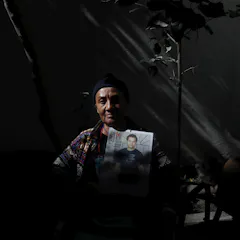
Migrant disappearances in Mexico have quadrupled. Here’s how Central American mothers searching for their disappeared children grieve and call out injustices in politically effective ways.
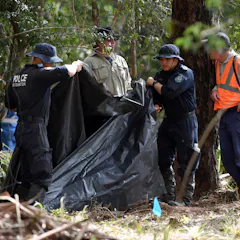
Non-stop media coverage can invade their privacy, raise and dash their hopes, and prolong their trauma.
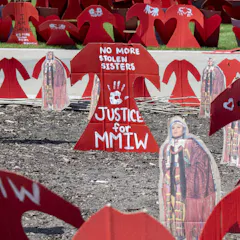
Thousands of cases of missing and murdered Native Americans remain unsolved. A scarcity of reliable data is only part of the problem, a tribal justice scholar explains.
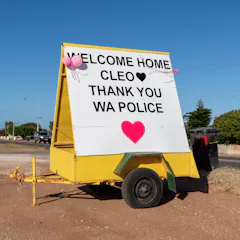
The most important thing to avoid is intrusive, probing questioning straight away. The media and the public should also refrain from speculative, premature comment.
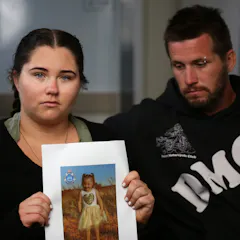
Cleo is the latest missing child case to grip the nation. And our fascination with every twist and turn of such cases can both help and be a curse.

In the absence of serious efforts by mental health centres, shelters and youth group homes to prevent people from running away from their facilities in the first place, police involvement is necessary.
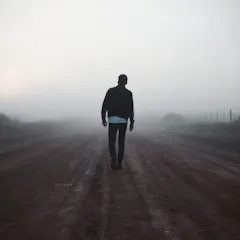
Missing persons are sharing their stories and experiences as part of new research in Australia. The goal is to better understand what causes people to disappear.
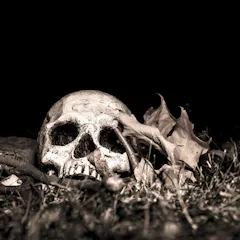
While forensic scientists mostly use fingerprints, dental records and DNA to identify human remains, they have many other techniques in their forensic toolkit. How many have you heard of?
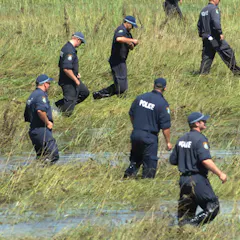
New evidence points to a possible burial site for South Australia’s Beaumont children, missing for 52 years. Specialist techniques will be applied to extract and sequence DNA if remains are found.

Blood-detection dogs work paw in hand with scientists and Australia’s police to solve crimes and missing persons cases.

99% of people who disappear come home again. A third of them don’t stay.
Some people have a remarkable aptitude for recognising a face – are you one of them?
Top contributors
-

Adjunct Associate Professor - Forensic Genetics, University of Technology Sydney; Adelaide University
-
Professor of Social Work, CQUniversity Australia
-
Professor, University of Regina
-
PhD candidate, University of Technology Sydney
-
Professor of Anthropology, Clemson University
-
Professorial Fellow in Psychiatry, The University of Melbourne
-
Professor of Forensic Psychology, University of Lancashire
-
University of Waterloo
-
Professor of Psychology, University of Stirling
-
Professor of Sociology, Western University
-
Senior Lecturer in Psychology, Bournemouth University
-
Professor of Forensic Genetics, University of Technology Sydney
-
Associate Professor of Criminal Justice, University of North Dakota
-
Professor, School of Public Health Sciences and Dean, Faculty of Health, University of Waterloo
-
Postdoctoral research fellow University of Barcelona, Universitat de Barcelona