
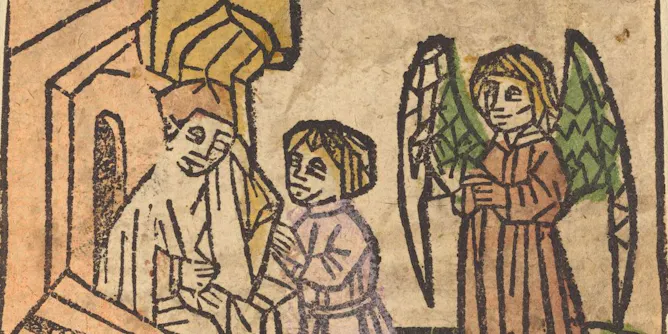
Churches’ struggles to respond to the plague and constant warfare in the 14th and 15th centuries helped shape the kinds of Christianity in the world today.
Articles on Middle Ages
Displaying 41 - 60 of 71 articles

This illustrated health manual dating back to the 13th century provides a glimpse of daily life in aristocratic households during the Middle Ages.
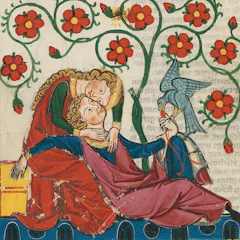
The view of Valentine’s Day as a day for lovers can be traced back to two medieval poets who stood up for romance and the freedom to choose.

Ever since players tweaked the game to reflect the medieval social order, poets and writers have used chess as an allegory for love, duty, conflict and accomplishment.
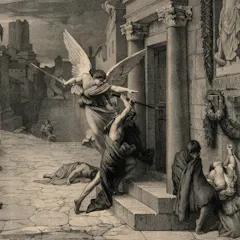
Societies and cultures that seem ossified and entrenched can be completely upended by pandemics, which create openings for conquest, innovation and social change.
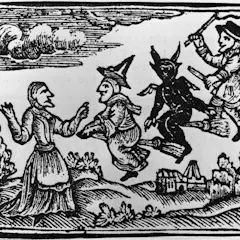
The idea of organized satanic witchcraft was invented in 15th-century Europe by church and state authorities, who at first had a hard time convincing regular folks it was real.
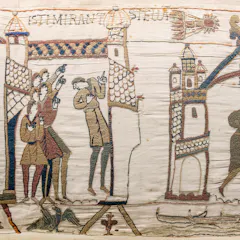
In medieval times natural phenomena, such as comets and eclipses, were regarded as portents of natural disasters, including plagues.
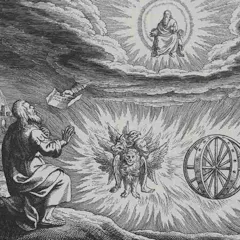
Those experiencing stress and uncertainty amid the coronavirus may find guidance in medieval responses to plagues, which relied on both medicine and prayer.
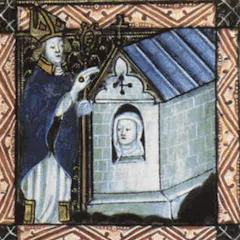
Some medieval Christian women locked themselves away in the name of their faith. Here are their insights into self-isolation.

How science has been used to predict wind and rain for over 1,000 years.
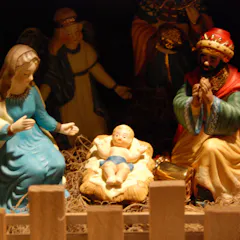
Nativity scenes showing the birth of baby Jesus first originated in the small Italian town of Greccio.

Wherever and whenever ghost stories materialise, they tend to tap into the things we fear most.
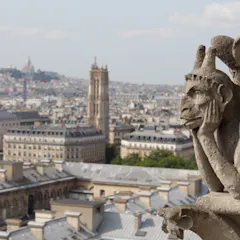
Looking nostalgically to the past, a young architect sought to revive the building as a bulwark to the uncertainty of the Industrial Revolution.
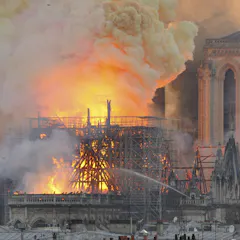
The Notre Dame Cathedral was long a powerful symbol of church authority - but it wasn’t static. The design kept changing to keep up with the changing times.
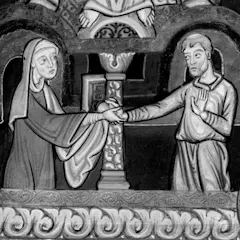
Pope Francis recently confirmed that clergy members abused nuns. Since the early days of monasticism, the presence of nuns led to restrictions that limited contact between men and women.

The HBO series can tell us a lot about how we view the Medieval world.
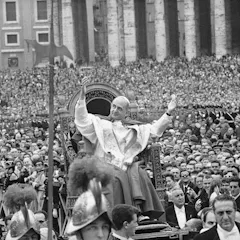
July marks 50 years of Pope Paul VI’s encyclical prohibiting contraceptive use. For many years prior to it, the church had not been so explicit on its stance. How did it become such a thorny issue?
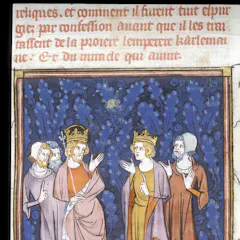
Monarchs and prime ministers have spent centuries working out which decisions need to be made in public.

The Lady and the Unicorn tapestries, woven around 1500, have been called the ‘Mona Lisa of the Middle Ages’. While they make for breathtaking viewing, their threads are encoded with much meaning.
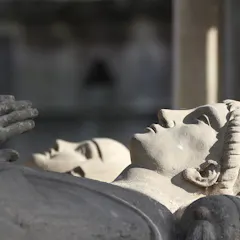
An affair between a philosophy professor and his teenage student became the subject of ballads in the streets of Paris in the 12th century. A scholar asks: Why wasn’t it called sexual harassment?
Top contributors
-

Director of Catholic Studies, Georgetown University
-
Professor of Political Science, Macalester College
-
PhD Candidate, Medieval Literature, Bangor University
-
Professor Emerita of Medieval History, University of Rhode Island
-
Lecturer in Medieval History, The University of Queensland
-
Professor in Medieval History, University of Reading
-
Professor of History, Iowa State University
-
Postdoctoral Research Fellow, ARC Centre of Excellence for the History of Emotions, The University of Western Australia
-
Lecturer n History, The Open University
-
Professor of English, Macquarie University
-
Chair in the History of Finance and Associate Pro-Vice-Chancellor Research, Prosperity and Resilience, Henley Business School, University of Reading
-
Postdoctoral Research Fellow in Byzantine History, Hitotsubashi University
-
Lecturer in Art History , University of Sydney
-
MA Student Conflict, Security and Development, King's College London
-
Professorial Enterprise Fellow, GeoData Institute, Geography and Environmental Science, University of Southampton