
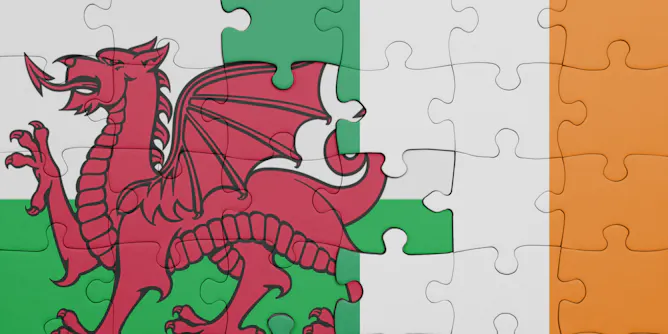
Cecile O’Rahilly was responsible for groundbreaking research on the historical and literary ties between Ireland and Wales.
Articles on Middle Ages
Displaying 21 - 40 of 71 articles
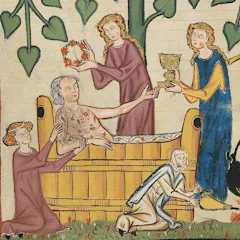
King Cnut has the dubious honour of being the first person recorded in English history to have been disturbed by something frustratingly urgent just as he was about to enjoy a bath.
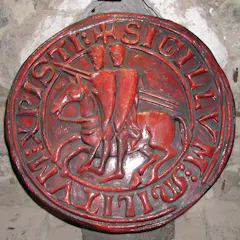
Warrior-monks crusaded for Christianity throughout medieval Europe. Adding to the ongoing mystery surrounding the military order is their enigmatic seal.

Indigenous and critical race approaches to narratives of the Middle Ages help reveal more accurate histories, and combat the misuses of ‘the medieval’ for hate.
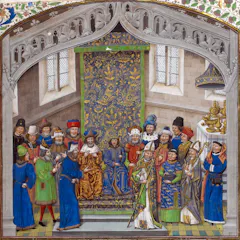
Medieval Europeans thought about politics in terms of leadership and often criticized rulers for ‘tyranny’ − both in government and in the church.
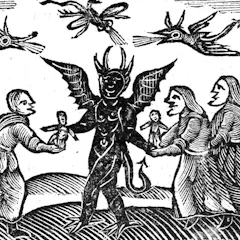
Only five witches were executed in Wales, while thousands were sentenced to death in Scotland and England.
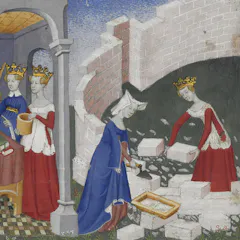
By compiling stories about the accomplishments of women, Christine set out to build an allegorical city where women and their achievements would be safe from sexist insults and slander.

The iconic image of a witch on a broomstick has apocryphal origins. But whether they could actually fly didn’t stop Christian society from persecuting them.
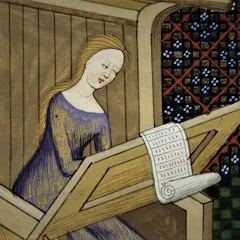
While the wider literature tells us that medieval women were silent and passive, their letters and embroideries tell a different story.
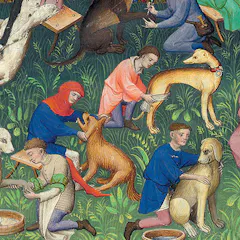
The place of dogs in society changed when hunting became an aristocratic pastime, rather than a necessity.
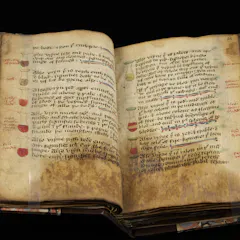
Your doctor’s MD emerged from the Dark Ages, where practicing rational “human medicine” was seen as an expression of faith and maintaining one’s health a religious duty.

The medieval is part of the mosaic of modern Australia. Our nation’s heritage on this island continent is full of it: in aesthetics, institutions, laws, languages, identities, moralities.
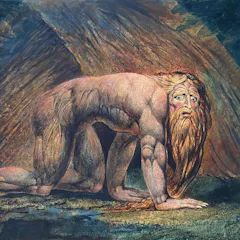
Humans have attempted to understand and treat mental illness for centuries – from ancient Greek medicine, Middle Ages exorcisms and the rise of asylums, to modern medical breakthroughs.
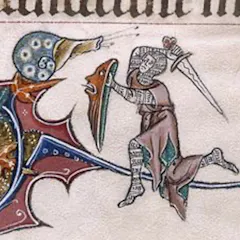
Snails were recognised in medieval times for their unusual strength, given that they were able to carry their home on their back.
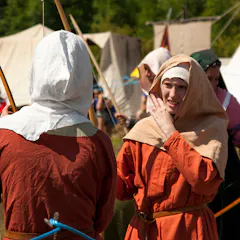
Hundreds of years ago, people spoke Old English – but it is very different to English today.

Standards of beauty have been embedded in different cultures, in varying forms, from time immemorial. What endures is that women are still regarded as inferior to men.
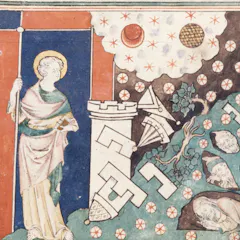
We might expect that accounts of earthquakes from the medieval period have been lost to history, but some have survived.
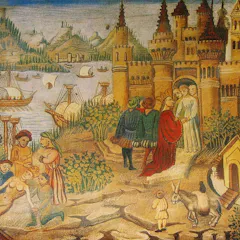
During the Middle Ages, women were steadily excluded from both the practice and the study of medicine by an overwhelmingly male-dominated, institutional and hierarchical system.
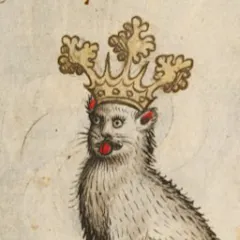
Medieval manuscripts are littered with images of cats – sharing their owner’s dinner, keeping them company, and even cosplaying as nuns.

The press, films and series and even everyday language still reflect a derogatory conception of the Middle Ages. Was the period really that bad?
Top contributors
-

Director of Catholic Studies, Georgetown University
-
Professor of Political Science, Macalester College
-
PhD Candidate, Medieval Literature, Bangor University
-
Professor Emerita of Medieval History, University of Rhode Island
-
Lecturer in Medieval History, The University of Queensland
-
Professor in Medieval History, University of Reading
-
Professor of History, Iowa State University
-
Postdoctoral Research Fellow, ARC Centre of Excellence for the History of Emotions, The University of Western Australia
-
Lecturer n History, The Open University
-
Professor of English, Macquarie University
-
Chair in the History of Finance and Associate Pro-Vice-Chancellor Research, Prosperity and Resilience, Henley Business School, University of Reading
-
Postdoctoral Research Fellow in Byzantine History, Hitotsubashi University
-
Lecturer in Art History , University of Sydney
-
MA Student Conflict, Security and Development, King's College London
-
Professorial Enterprise Fellow, GeoData Institute, Geography and Environmental Science, University of Southampton