
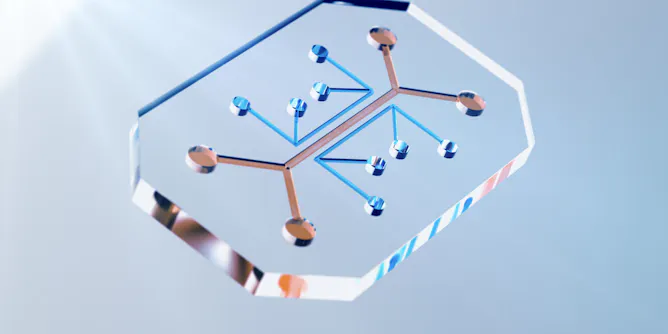
Pathogens have distinct electrical charges, shapes and sizes. Measuring how quickly they move through an electric field can help researchers separate different species in a sample in minutes.
Articles on Microfluidics
Displaying all articles

A research team at the University of Victoria has created a new method for making oil-in-beer emulsions that could advance the science of brewing.
Successes in the lab mostly don’t translate to people. Research models that better mimic the human body could close the gap.
Artificial cells on tiny microfluidic chips can provide early insight into how new cancer drugs behave in cells, and why certain kinds of cancer are more resistant to chemotherapy treatment.
Electronics are not the only technology to have been miniaturized. Using the strange behavior of fluids in tiny spaces, microfluidic devices are critical to medicine, science and the modern world.
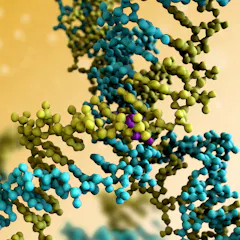
The unique way that human proteins change after they are copied from our DNA gives scientists clues about what causes human disease.
Top contributors
-

Associate Professor and Canada Research Chair, Department of Chemistry, University of Victoria
-
Lecturer in Biomedical Sciences, University of Hull
-
Professor of Tumour Immunology, University of Hull
-
Professor of Bioengineering, University of Washington
-
Assistant Professor of Chemistry and Biochemistry, University of Maryland, Baltimore County
-
Professor of Biomedical Engineering, Rochester Institute of Technology