
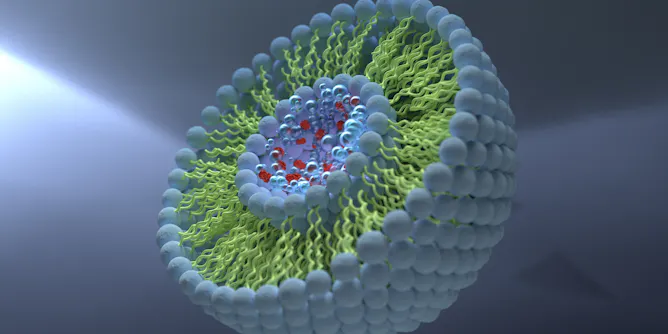
Researchers are studying liposomes to understand and block the spread of metastases, paving the way for new cancer treatments.
Articles on Metastasis
Displaying 1 - 20 of 23 articles

Understanding how cancer is discussed across diverse languages and cultural contexts is crucial, especially on a continent that has more than 2,000 languages.

Green algae carry drug-loaded nanoparticles directly to the lungs, reducing side effects in other organs and increasing treatment efficiency.
From math to evolutionary game theory, looking at cancer through different lenses can offer further insights on how to approach treatment resistance, metastasis and health disparities.

Obesity is a disease that shares several characteristics with cancer, but does not get the same society-wide recognition of its disease status, so people with obesity are less likely to get treatment.

Widespread screening for skin cancer may not be necessary, but it is important to understand the risks behind UV overexposure and to get checked early if you have concerns.
There is no one-size-fits-all approach to treating cancer. Understanding how cancer cells evolve could help researchers develop more effective drugs.
Some cancers are notoriously resistant to chemotherapy and not curable with surgery. Stopping tumors from adapting to the harsh microenvironments of the body could be a potential treatment avenue.
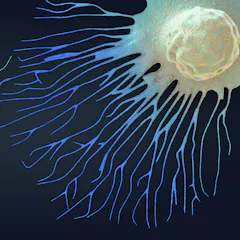
Counterintuitively, cells move faster in thicker fluids. New research on breast cancer cells explains why, and reveals the role that fluid viscosity plays in metastasis.
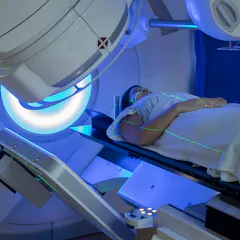
Higher doses of radiotherapy for cancer treatment destroy more healthy tissue as well as more tumour cells. Gold nanoparticles sensitize tumours to radiation, making treatment more effective.
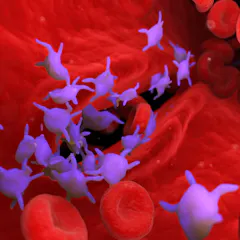
Platelets heal wounds. But they also seem to play a paradoxical role in both promoting and inhibiting the growth of solid tumors.
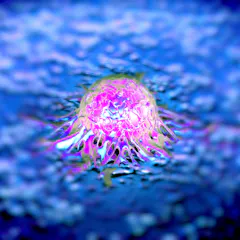
Cancer doesn’t just grow uncontrollably. It has a smarter strategy than that.
We need to ensure cancer research addresses what matters most.

Chronic stress accelerates cancer growth in mice, according to a new study, pointing to potential treatment targets to slow the progression of cancer to other organs.
We’re told that finding symptoms of disease early will prevent the more serious consequences. But for pre-cancerous lesions, also known as stage 0 breast cancer, the picture is much more complicated.

Breast cancer is one of the most common cancers in the Western world, with 15,000 women (and about 70 men) diagnosed each year in Australia.

The theory that some rare cancer cells aren’t caught by conventional chemotherapy has divided the field.

Nine out of ten cancer patients die because cancer cells enter the blood circulation, spread and form tumours at distant organs. In circulation, cells can move individually or in a cluster. It is believed…
Belgium researchers have pinpointed a family of pharmaceutical compounds that can prevent the appearance of human tumour…
Ovarian cancer is the fifth highest killer in women when it comes to cancer, according to statistics from the American Cancer Society, with about 14,000 deaths in the United States alone this year. The…
Top contributors
-

Professor of Breast Cancer Research, Institute of Health and Biomedical Innovation and School of Biomedical Sciences,, Queensland University of Technology
-
James Stewart Chair Of Surgery, The University of Melbourne
-
Associate Professor of Hematology and Oncology, Penn State
-
Associate Professor of Pathology, Penn State
-
Associate Professor of Pathology, Penn State
-
Assistant Professor of Biomedical Engineering, Binghamton University, State University of New York
-
Graduate Student in Cancer Systems Biology, Rice University
-
Associate Professor, Peter MacCallum Cancer Centre
-
Professor of Biomedical Engineering, Johns Hopkins University
-
Medical Oncologist, St Vincent's Hospital Melbourne; Lecturer, The University of Melbourne
-
Scientific Director of the Kidscan Childrens Cancer Research Charity, University of Salford
-
PhD student in Biology, University of Rochester
-
Ph.D. Candidate in Materials Science and Engineering, University of California, San Diego
-
Professor of Experimental Cancer Therapeutics, Institute of Cancer Research, London
-
Professor, School of Public Health and Social Work, Queensland University of Technology