
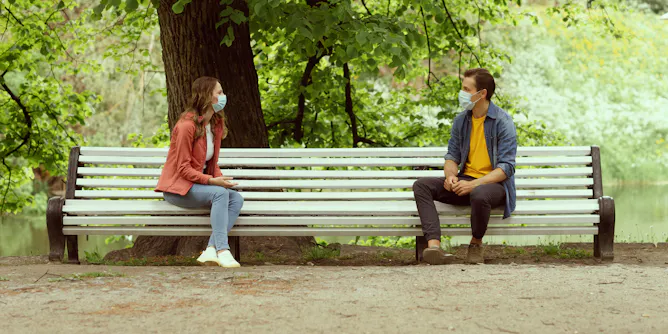
Even during difficult times, it is possible to stay well if we can accept the circumstances, stay connected and validate how we feel.
Articles on Mental well-being
Displaying 21 - 40 of 51 articles

Ample research demonstrates the harms Instagram causes teen girls, especially around body image. Meta is now facing the consequences of knowingly marketing a harmful service.

Talking to your dog really helps. Here’s what else you can do.

Volunteering can improve your life physically, mentally and emotionally. And it might help you find your next job.

Investment in the arts is also an investment in economic growth, health and well-being – but arts practitioners won’t be holding their breath at budget time.

The adolescent brain is particularly vulnerable to experience. Puberty is is the time brain networks are hardwired around milestone events. We should help teenagers make meaning of the pandemic.

Here’s what the research tells us about what wears us out, what renews us, and how to feel more refreshed in 2021.
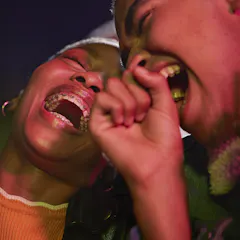
Whether in the form of a discreet titter or a full-on roar, laughter comes with many benefits for physical and mental health.
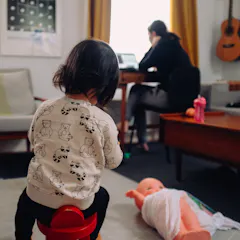
Juggling work and family becomes all the more difficult when you’re trying to figure out how to work Zoom, and stressing about losing your job.

For rural people, these stresses are cumulative and contribute to higher levels of trauma, mental ill-health and in some cases, suicidal behaviour.

In February Australian Treasurer Josh Frydenberg called the idea of a well-being budget ‘laughable’. It’s time he took it seriously.

The design of a campus and its buildings and dorms can be crucial to a student’s overall well-being.
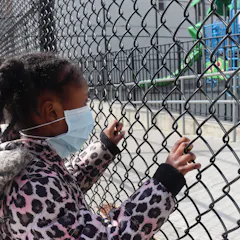
Global experts in child development say recess will be critical for children’s well-being when schools reopen, so education authorities should see planning recess as a high priority.

When our COVID-19 lockdowns end, we can’t afford to stop caring about collective well-being. NZ is well positioned to show the world how it’s done – if we listen to Māori and other diverse voices.

Noting nature around you – it could be a glance outside, tending plants, or ‘green’ exercise – will improve your well-being, research shows. The coronavirus pandemic has made it even more important.

Companies can play an important role in keeping their workers both productive and mentally and physically healthy during the pandemic.
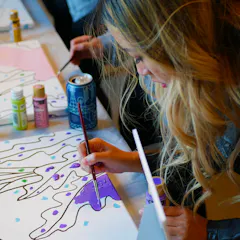
Important learning takes place through experiences of fun and belonging at an arts-based mindfulness program.

Research shows it generates future savings for society by lowering demand for health and social care services.

The risk of developing psychosis is 77% higher in urban than rural dwellers. But there are positives.

People can find themselves waiting for an asylum decision for many years, facing multiple barriers and struggling to fill the hours in their days.
Top contributors
-

Chancellor's Professor, Psychology, Carleton University
-
Professor of Economics and Behavioural Science, University of Leeds
-
Associate Professor, Urban Studies and Public Policy, Simon Fraser University
-
Director, Centre for Rural and Remote Mental Health and Professor of Rural Health Research, University of Newcastle
-
Assistant Professor in Early Childhood Studies, University of Hull
-
Adjunct Lecturer, School of Psychological Science, The University of Western Australia
-
Assistant Professor, Psychology, Simon Fraser University
-
Vice Rector in Gjøvik, CQUniversity Australia
-
Senior Research Fellow, Rural Health Research Institute, Charles Sturt University
-
Postdoctoral Research Associate in the Institute of Neurology, UCL
-
Associate Professor, School of Management, ESSCA School of Management
-
PhD Candidate, Faculty of Environment, University of Waterloo
-
Lecturer, Psychology, James Cook University
-
Research Scientist, Cooperative Institute for Research in Environmental Sciences, University of Colorado Boulder
-
Assistant Professor, University of Warwick