

Our need for closure runs deep. Without it, old memories intrude like uninvited guests, resurfacing with regret, anger or confusion, even years later.
Articles on Emotional well-being
Displaying all articles

Performing small acts of kindness for others can provide a boost to well-being. Research supports the old adage: in helping others, you really can help yourself.

If we look after children’s well-being, not only will their learning benefit but also the skills they gain to help them manage life’s challenges will endure beyond the pandemic.

A brief daily practice of mindfulness meditation not only contributes to a better mood, but it also helps protect against the negative mental health impact of news about COVID-19.

Whether in the form of a discreet titter or a full-on roar, laughter comes with many benefits for physical and mental health.

No news isn’t necessarily good news. News is powerful, and helps us to stay connected and informed. But it’s important we regulate our news consumption - particularly during times of crisis.
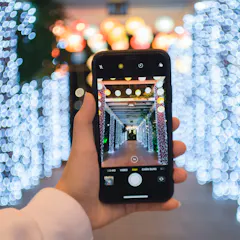
Mood tracking apps are sophisticated tools that track, measure and improve our emotions. But doing so may make our emotional data vulnerable to interested third parties.

When our COVID-19 lockdowns end, we can’t afford to stop caring about collective well-being. NZ is well positioned to show the world how it’s done – if we listen to Māori and other diverse voices.

Noting nature around you – it could be a glance outside, tending plants, or ‘green’ exercise – will improve your well-being, research shows. The coronavirus pandemic has made it even more important.

Researchers asked women to log the times they felt sexually objectified on their smartphones. They found objectification harms women’s well-being – even if they’re just witnessing it.
Top contributors
-

Honorary Research Fellow, The University of Melbourne
-
Associate Professor of Psychology, The University of Melbourne
-
Associate Lecturer, Melbourne School of Psychological Sciences & Research Associate, Faculty of Business and Economics, The University of Melbourne
-
Research Scientist, Cooperative Institute for Research in Environmental Sciences, University of Colorado Boulder
-
Professor, School of Life and Environmental Sciences, University of Sydney
-
Associate Professor of Philosophy, Te Kunenga ki Pūrehuroa – Massey University
-
PhD, School of Health and Rehabilitation Sciences, Western University
-
Doctoral Student in Experimental Psychology, University of Calgary
-
Associate Professor, Department of Psychology and Cognitive Science Program, University of Arizona
-
PhD student, Health Information Science, Western University
-
Lecturer in Education, University of Sydney
-
Associate Professor, Canada Research Chair in Mental Health and Intersectionality, University of British Columbia
-
Associate Professor, Federation University Australia
-
Professor of Cognitive Psychology, Grinnell College
-
Associate Professor, Department of Psychology, Hotchkiss Brain Institute, University of Calgary