

The length of your vagina can change with age, hormones and sexual arousal.
Articles on Menstrual cups
Displaying all articles
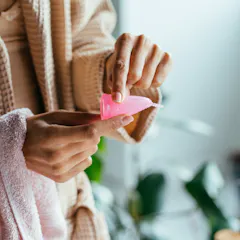
A new study found young Australians often face discomfort and difficulties such as leakage when using menstrual cups, especially at first. This shows the need for more information and support.

Addressing inequality surrounding menstruation should include a decent amount of accessible washrooms. It also means ready access to sinks and soap to wash reusable products with dignity.
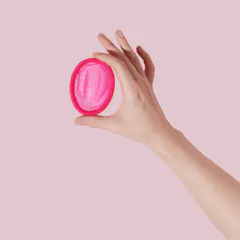
Working out how much blood you’re losing and getting a sense of when it’s outside the normal range can be difficult. Recent research on the capacity of different period products could help.

Breaking the taboo: the fascinating history of menstrual products.

A severe shortage of tampons alongside sharp price increases have sparked concerns that lower-income women may have difficulty accessing menstrual products.
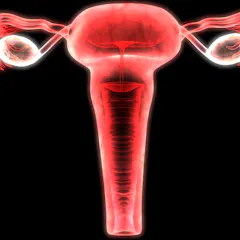
As it debunks old myths and uncovers previously ignored facts, science is finding that the vagina is both complex and busy.
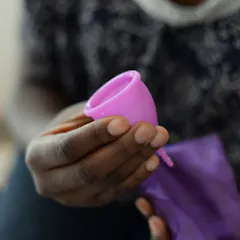
Menstruation cups are increasingly being used as an environmentally friendly alternative to tampons and sanitary pads.

To truly meet the needs of women, adolescent girls, and all people who menstruate, we need to address four key areas.
Top contributors
-

Spence Professor of Sustainable Environmental Systems and the Director of the Institute for a Sustainable Environment, Clarkson University
-
Senior Research Fellow; Co-Head, Global Adolescent Health Working Group, Burnet Institute
-
Postdoctoral Scholar of Integrative Biology and Physiology, University of California, Los Angeles
-
Associate Professor of Sociomedical Sciences, Columbia University Mailman School of Public Health
-
Assistant Clinical Professor of Midwifery, Yale University
-
Assistant Professor of Medicine, Boston University
-
GP and Lecturer at Sydney Medical School, University of Sydney
-
Professor Emerita, Classical Studies, The Open University
-
Distinguished Professor of Psychology, Rutgers University - Newark
-
Professor of Psychobiology, UNED - Universidad Nacional de Educación a Distancia
-
Lecturer in Global Health, University of Sydney
-
Manager, Centre for Human Rights Research, University of Manitoba
-
Director, Centre for Human Rights Research and Distinguished Professor, History and Women's and Gender Studies, University of Manitoba
-
Assistant Professor of Social Work, University of Manitoba
-
Assistant Professor in Labour Studies, University of Manitoba