

The length of your vagina can change with age, hormones and sexual arousal.
Articles on Vagina
Displaying 1 - 20 of 23 articles

Older adults are at risk for contracting STDs – not only because of stigma and infrequent condom use, but also because of physical changes due to aging.

Can eating lots of pineapple change the smell and taste of the vulva and vagina? An expert examines the latest fruity vaginal health hack.
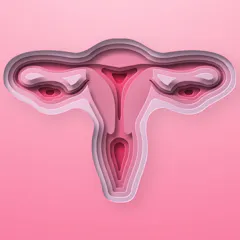
Dryness, irritation, or pain during sex can be managed. But not everyone has these symptoms or is bothered by them.
The little-known gynaecological cancer with a link to HPV.

All the things you wanted to know about your genitals but were too afraid to ask.

No, your vagina does not need vaginal health gummies.
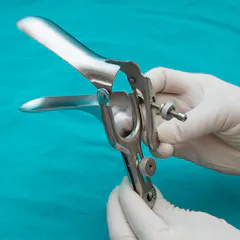
Speculums can be painful and invasive for many women.
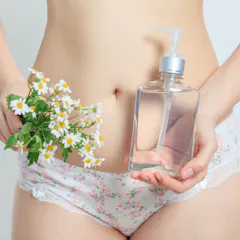
Vabbing is the act of taking one’s vaginal secretions and using it as a perfume – while not a new trend, it is taking social media sites like TikTok by storm.
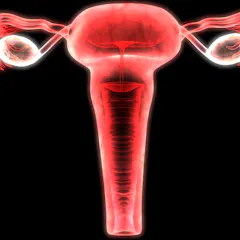
As it debunks old myths and uncovers previously ignored facts, science is finding that the vagina is both complex and busy.

Vaginismus is one of the leading causes of painful sex. Many people haven’t even heard of it, but vaginismus is extremely common and it can have a huge impact on women, their partners and relationships.

They’re silly, but the singer’s statement pants are an important comment on female storytelling.
The vagina is self-cleaning, and vaginal discharge plays an important role in keeping the vagina healthy.
Vaginal discharge varies in consistency, texture, smell, taste and volume in the same woman from day to day, week to week, month to month and beyond.
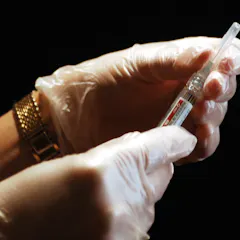
The best way to prevent head and neck cancers, which are more common in men, is to get the HPV vaccine. It’s free for boys and girls aged 12 and 13.
Women’s privates have moved to the front and centre of popular entertainment. And they’re not always pretty.

Developers are using wearable tech to help women and girls better understand their bodies.
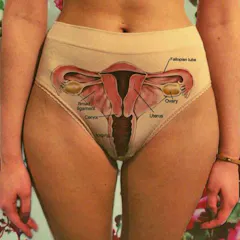
It is perhaps one of the most controversial debates in sexual function: is there, or isn’t there a G-spot? And if there is, how do we find it?
New guidelines launched by the Royal Australian College of General Practitioners aim to help doctors educate women about the variety of genital appearance and stop them having unnecessary surgery.

Interested in craftivism?
Top contributors
-

Professor of Adolescent Health, Co-Head of the General Practice Clinical School, University of Sydney
-
Professor of Literature and Gender Studies, University of Chester
-
Associate Professor, School of Biomedical Engineering, University of Technology Sydney
-
PHD candidate, Newcastle University
-
Senior Lecturer, The University of Melbourne
-
Paediatric and adolescent gynaecologist at Royal Hospital for Women and Sydney Children's Hospital, UNSW
-
Senior Lecturer in Pain Sciences, Adelaide University
-
Magdalena Simonis is a Friend of The Conversation.
Clinical associate professor, The University of Melbourne
-
University of Technology Sydney
-
University Fellow in Digital Health & Society, University of Salford
-
Research Fellow, University of Bristol
-
Distinguished Professor of Psychology, Rutgers University - Newark
-
Clinical Fellow, Department of Obstetrics and Gynecology, The University of Melbourne
-
Senior Research Fellow, Division of Health Research and Social Work, Lancaster University; La Trobe University
-
British Academy postdoctoral fellow, University of Warwick