
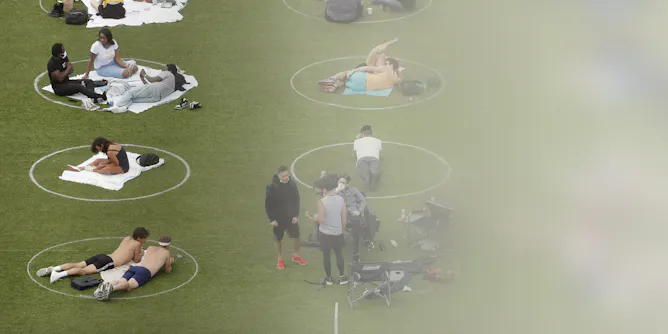
A global pandemic might be at the forefront of everyone’s minds. But we can’t assume that future threats will get the attention they deserve from people living in an information-saturated world.
Articles on Memorials
Displaying 41 - 59 of 59 articles
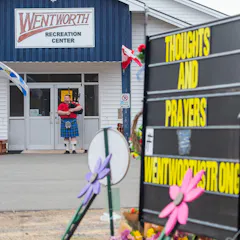
Virtual music vigils after the Nova Scotia shootings draw on a long tradition of Atlantic Canadian disaster songs and ‘broadside ballads’ to mourn in a time of social distancing.
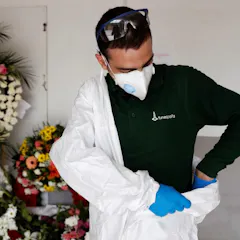
Funeral homes, crematoria and morgues face many challenges in the months ahead as the coronavirus death toll rises.
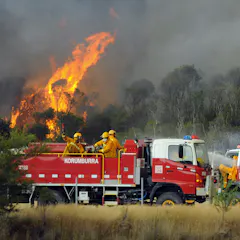
In commemorating firefighters as heroes, we can fall into the danger of overstating their ability to control fires, absolving ourselves of responsibility.
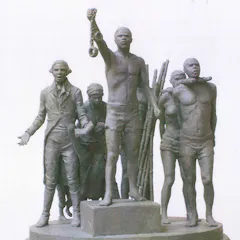
Despite the millions used in the transatlantic slave trade and Britain benefitting from their forced labour, a national memorial is proving difficult.
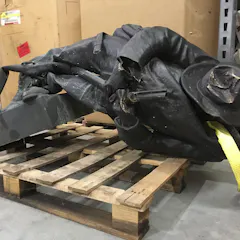
Where do old Confederate statues go when they die? The former Soviet bloc countries could teach the US something about dealing with monuments from a painful past.
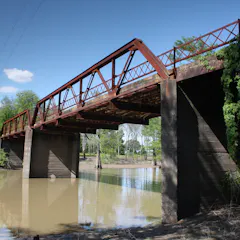
Scholars continue to debate what, exactly, happened to Emmett Till the morning of his murder. But that hasn’t stopped a poor Mississippi community from trying to profit off one version of the story.
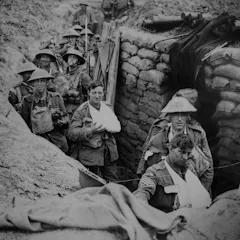
From the Swiss border to the English channel, a scholar describes his pilgrimage of the Western Front as a tribute to fallen soldiers and to learn more about the devastating loss of life.
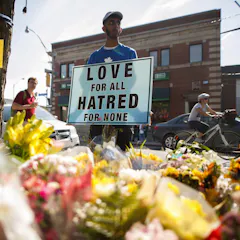
Toronto is still grappling with the fallout from two mass casualty events – April’s van attack and a mass shooting in July. A month after the shooting, how is Toronto moving forward?
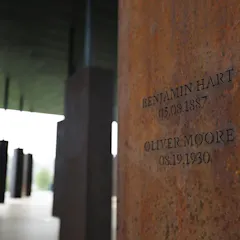
The National Memorial for Peace and Justice helps demonstrate that the lynching of black people was not the fault of victims. But telling this history risks re-traumatizing the black community.
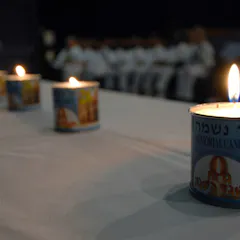
Remembrance days and memorials provide people the opportunity to share stories with a community. An expert explains how that can make a difference.
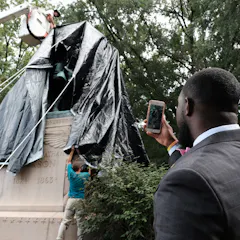
The US has yet to fully undergo a process of truth and reconciliation.
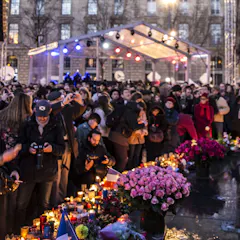
Memorials to the terror attack have become visual and transient – a battleground to contest parts of French identity.
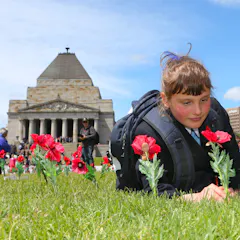
Teaching students to recognise and understanding the political, social, and economic factors that influence how we celebrate Remembrance Day would make them more active citizens.

We’ve come a long way since the dark days of grave robbing to provide bodies for dissection. Now, there are ceremonies and memorials to honour people who have donated their body to science.
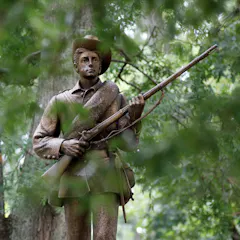
Should they stay or should they go?

Cultural portrayals of HIV and AIDS tend to be stuck in the past.
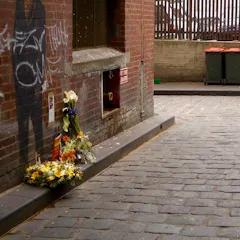
Public memorials to overdose victims might not only shift who we consider worth grieving, but also encourage us to reflect on the nature of memory and mourning, inclusion and exclusion.
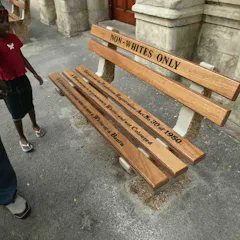
September is celebrated as heritage month in South Africa. How to get it right? A revisit to a national newspaper’s decade-old, ambitious project is a good yardstick to use.
Top contributors
-
 Derek H. Alderman is a Friend of The Conversation.
Chancellor's Professor of Geography, University of Tennessee
-
Research Fellow, Social And Political Sciences, The University of Melbourne
-
Assistant Professor of U.S. Public History, University of South Florida
-
Professor of History, Wesleyan University
-
Research Fellow, Computing and Information Systems, The University of Melbourne
-
Assistant Professor in Memory Studies, Coventry University
-
Reader in Historical Geography, UCL
-
Lecturer in History Education, Macquarie University
-
Associate Professor of Disaster and Emergency Management, York University, Canada
-
Senior Lecturer in Criminology and Justice Studies, RMIT University
-
Professor of Psychology, Pepperdine University
-
Associate Professor of Environmental Science and Landscape Studies, Dalhousie University
-
Dean, Western Sydney University
-
Professor of Sociology, Rowan University
-
Lecturer Department of African Studies and Linguistics, University of Cape Town