

The 2026 guidelines recommend beginning screening as early as age 9, and incorporates more precise diagnostic tests.
Articles on Medical guidelines
Displaying all articles
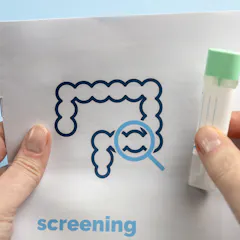
The American Cancer Society updated its colorectal cancer screening guidelines to reflect advances in technology and increase access to screening.

Guidelines for social well-being can help health care providers identify when someone is socially isolated and provide goals and standards for policymakers.
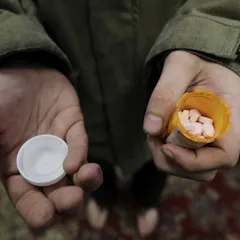
Doctors had believed that going over the maximum dose of one lifesaving drug could lead to more abuse. But after patients improved with one more pill, they convinced the FDA to change its guidelines.

Doctors have an overwhelming amount of individual patient data and medical research at their disposal to make diagnoses and treatment plans.

Multicancer early detection tests are among the priorities of the Biden administration’s Cancer Moonshot. The tests show promise, but questions remain about when and how to use them.

How doctors care for their patients is highly influenced by clinical guidelines. Recommendations based on anecdotal experience or poor data can harm patients.

Voluntary medical societies have important roles in professional education and advocacy for doctors and patients, but there is need for transparency about relationships with pharma and health industry.

Clinical guidelines have a big impact on the care you receive and the drugs you’re prescribed. But one in five doctors who write these guidelines have undisclosed ties to drug companies.

Many guidelines offered to GPs are based on evidence unrelated to general practice. Studies show doctors tend to ignore these guidelines which can pose a risk to patients’ health.
Top contributors
-

Professor, Alfred Felton Chair In General Practice For Rural And Regional Victoria, Deakin University
-
Gehring Professor of Orthopaedic Surgery, University of Michigan
-
Chief Medical Officer at the Los Angeles County + University of Southern California Medical Center, Adjunct Professor of Medicine, University of Southern California
-
Professor of Laboratory Medicine and Pathology, School of Medicine, University of Washington
-
Professor of Medicine and Public Health, University of Colorado Anschutz
-
Professor Emeritus of Medicine, University of Alabama at Birmingham
-
Associate professor, Department of Family and Community Medicine, University of Toronto; York University, Canada; University of Sydney
-
Senior Research Manager, University of Sydney and Honorary Assistant Professor, Bond University
-
Associate Professor of Computing, Clemson University
-
Clinical Associate Professor of Family Medicine, University of Washington
-
Assistant Professor in Health Sciences, Simon Fraser University
-
Professor of Political Science, Public Policy and Urban Affairs, Northeastern University
-
Director of the Colorado Cancer Screening Program, University of Colorado Anschutz
-
Associate Professor of Cardiology, University of Colorado Anschutz